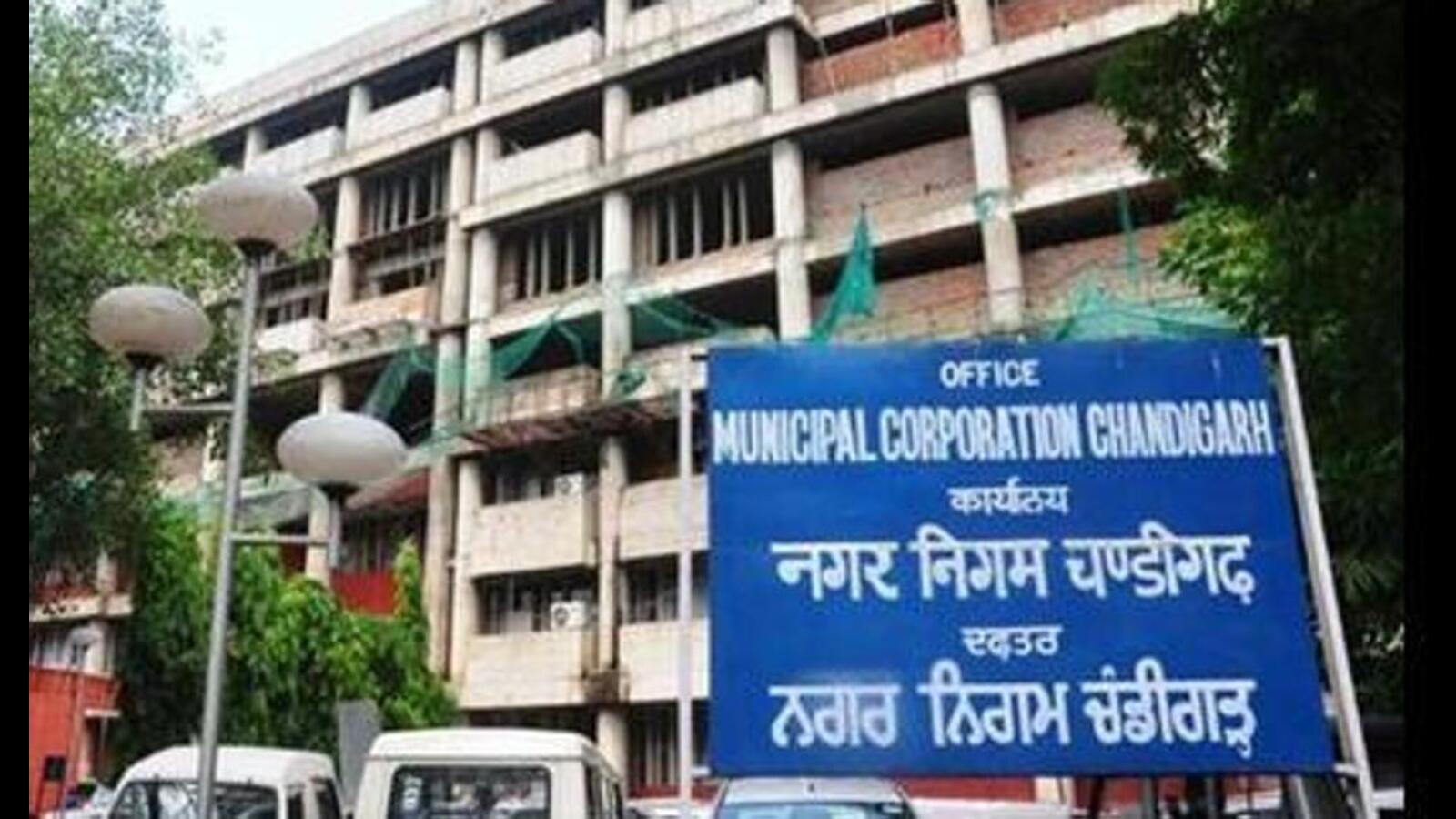
Chandigarh’s 2026-27 Municipal Budget Shows Rs 400 Crore Resource Shortfall
The Chandigarh Municipal Corporation has cleared a ₹1,712 crore budget for the financial year 2026-27, even as it confronts a projected resource gap of nearly ₹400 crore that underscores structural fiscal pressures in urban service delivery.
The budget — the highest proposed in recent years — reflects a concerted effort to modernise infrastructure and advance digital governance, but also exposes the limits of the civic body’s revenue base relative to its ambitious infrastructure and service commitments. Under the new estimates, the MC has earmarked ₹1,102 crore for revenue expenditure and ₹610 crore for capital outlays, with total estimated receipts pegged at around ₹1,726 crore. Of this, own revenue is projected at ₹461 crore, with the remainder expected through grants-in-aid. This combination leaves a significant shortfall relative to planned expense lines, a gap the corporation will need to address through administrative adjustments, revenue reforms and tighter cost control.
Mayor Saurabh Joshi described the budget as a “roadmap towards a self-reliant and digitally empowered city,” aligning with broader national goals around e-governance and urban efficiency. Provisions include an allocation for digital transformation initiatives — such as AI-enabled systems for single-window service access, digital file tracking and automated grievance redressal — aimed at improving transparency, reducing delays in service delivery and strengthening civic engagement. The inclusion of such technology investments appears designed to build long-term operational capacity even as short-term financial pressures mount. Infrastructure programmes are also a key pillar of the proposed budget. Nearly ₹300 crore is reserved for core civic assets including roads, sewerage, drainage and water supply improvements, with notable hikes in allocations for storm-water management and machinery upgrades compared to previous years. This signals the MC’s intent to address chronic service bottlenecks that have hindered mobility, sanitation and resilience during extreme weather. However, delivering these projects within constrained financial capacity will require disciplined project execution and effective coordination with the UT administration.
The sizeable resource gap reflects deeper revenue challenges facing the corporation. Despite rising urban demands for services, own-revenue streams — primarily property tax, fees and rentals — remain limited relative to expenditure needs. Tax base constraints, alongside historical shortfalls and vacant posts within key departments, have weakened the MC’s fiscal elasticity and amplified its reliance on grants and administrative transfers. Efforts to boost revenue through digital tax collection systems, smart parking tariffs and public-private partnership arrangements are intended to narrow this gap, but their impact will unfold over multiple fiscal cycles. Urban economists contend that such budget gaps are common among city governments pursuing ambitious infrastructure agendas in the absence of robust revenue tools. In Chandigarh’s case, contingent liabilities and essential services, including sanitation, salaries and pensions, absorb large portions of the budget, leaving relatively little for development works without resorting to borrowing or reprioritisation.
As the budget moves to the UT administration for further scrutiny and possible revisions, the focus will likely turn to how revenue optimisation and service prioritisation can be balanced with infrastructure needs. How effectively the corporation leverages digital governance and new revenue streams may determine its capacity to fund sustainable urban growth without compromising fiscal stability.