Chandigarh Weather Shift Brings Unseasonal April Chill
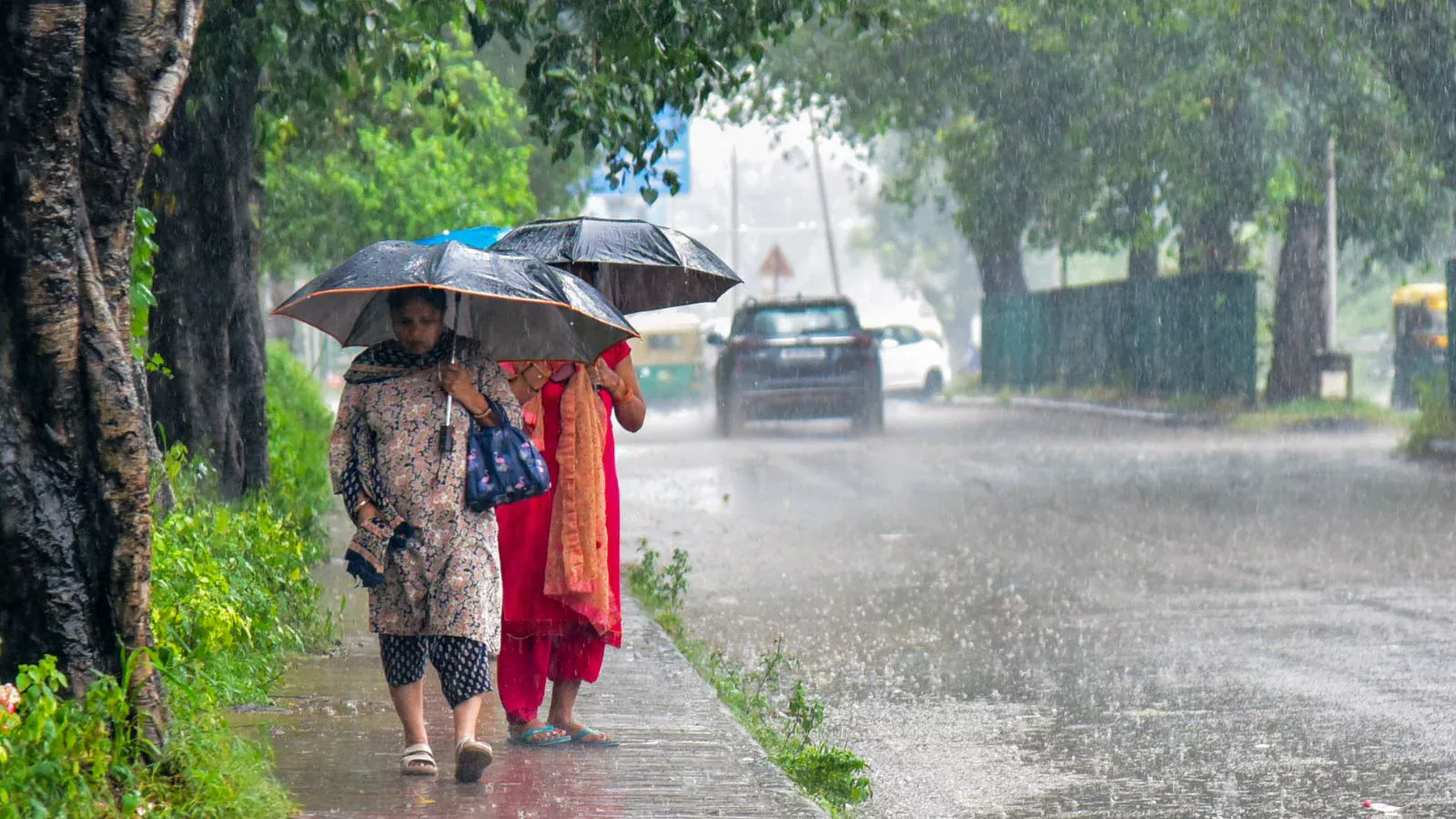
An abrupt weather shift across Punjab and Chandigarh has triggered an unusual April chill, with sustained rainfall and storm activity pushing temperatures well below seasonal norms and prompting an orange alert across the region. The development underscores the increasing volatility of pre-monsoon weather patterns and their growing impact on urban systems and agriculture.
According to meteorological assessments, intermittent rain over the past 24 hours has led to a sharp drop of over 5°C in daytime temperatures, with readings falling nearly 8–9°C below normal levels in parts of Punjab. This has resulted in a rare “February-like” chill during a period typically marked by rising summer heat. In Chandigarh, overnight rainfall intensified into heavy spells, accompanied by thunder and lightning, leading to a noticeable dip in minimum temperatures. The city recorded a fall of more than 5°C in night temperatures, creating cooler-than-usual conditions across the urban region. The India Meteorological Department has issued an orange alert, warning of continued thunderstorms, lightning, hail, and gusty winds across Punjab, Chandigarh, and adjoining areas. Wind speeds are expected to reach 40–50 kmph in several districts, raising the risk of localised disruptions, including power outages and damage to roadside infrastructure.
The underlying driver of this instability is an active western disturbance interacting with local atmospheric conditions over northwest India. Such systems are known to trigger sudden weather reversals during the transition from winter to summer, but experts note that their intensity and frequency have increased in recent years. For urban centres, the impact extends beyond temporary cooling. Sudden rainfall combined with strong winds can strain drainage systems, disrupt traffic movement, and expose vulnerabilities in ageing infrastructure. In rapidly expanding cities like Chandigarh and Ludhiana, such events highlight the need for climate-responsive urban planning, including improved stormwater management and resilient power networks. The agricultural sector has also been affected. Reports from multiple districts indicate damage to standing and harvested wheat crops due to rain and hail, raising concerns over post-harvest losses during a critical procurement period. This rural impact has a direct bearing on urban economies, given the region’s strong agri-market linkages. Urban planners suggest that such weather events are becoming a recurring feature of the pre-monsoon cycle, requiring cities to adapt beyond conventional seasonal expectations. Integrating real-time weather forecasting with urban infrastructure planning is increasingly seen as essential to reduce disruption and economic loss.
The forecast indicates that conditions may stabilise after April 9, with temperatures gradually returning to seasonal norms. However, with another weather system likely to influence northwest India in the coming days, the current episode serves as a reminder of the shifting climate baseline shaping urban and regional planning. As Punjab’s cities continue to grow, aligning infrastructure expansion with climate resilience will be critical—not only to manage extreme events but to ensure that urban systems remain reliable amid increasingly unpredictable weather patterns.