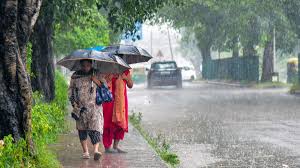
Nagpur Rain Alert Signals Early Summer Weather Shift
Chandigarh is experiencing an early spike in temperatures this March, with the mercury climbing to nearly 35°C — a level typically seen later in the month — highlighting the growing volatility of seasonal weather patterns in rapidly urbanising northern Indian cities.
Meteorological data show that Chandigarh recorded a maximum temperature of 34.9°C, marking the highest reading of the season so far and occurring just days into March. The figure is significantly above the seasonal norm, underscoring an unusually warm start to the pre-summer period.
The sharp rise reflects a broader weather pattern across northern India, where clear skies, dry conditions and the absence of significant rainfall since February have accelerated daytime warming. Meteorologists say the current temperature surge is roughly 8.6 degrees above normal, indicating how quickly the region’s climate conditions can shift during the transition from winter to summer. Despite the heat spike, forecasters expect short-term relief later this week. A new western disturbance — a weather system that originates over the Mediterranean region and influences North Indian climate — is expected to bring rainfall beginning Saturday and continuing through early next week. These showers could temporarily push daytime temperatures back below 30°C.
Weather officials say such disturbances are a key seasonal regulator for northern India. They typically deliver winter rainfall and occasional storms between December and April, helping moderate temperatures during the early summer build-up. The unusually warm start to March also highlights a growing concern for urban planners: the impact of climate variability on city infrastructure and public health. Chandigarh, like many expanding Indian cities, is increasingly susceptible to the urban heat island effect, where dense built-up areas trap heat and push city temperatures higher than surrounding rural regions.
Urban environmental experts note that concrete surfaces, reduced tree cover and heavy traffic corridors can intensify heat retention, particularly during prolonged dry spells. When early-season heatwaves occur, cities often experience increased electricity demand as residents and businesses turn to air-conditioning and cooling systems earlier than usual. Public health authorities also monitor early temperature spikes closely because they can affect outdoor workers, street vendors and construction labourers who are exposed to rising heat before seasonal adaptation measures begin.
At the same time, rainfall expected over the weekend could help restore some atmospheric moisture and temporarily stabilise temperatures across the Chandigarh region. Even light showers can significantly lower daytime heat during dry early-summer periods by cooling surface temperatures and increasing cloud cover. Urban climate specialists argue that episodes like this highlight the importance of integrating climate resilience into city planning. Expanding urban tree cover, protecting water bodies, promoting reflective building materials and designing shaded public spaces can all help reduce heat stress in dense urban environments.
As Chandigarh continues to expand as a regional administrative and economic hub, the early March heat surge — followed by expected rainfall — illustrates the increasingly unpredictable weather cycles shaping northern India’s urban climate landscape.