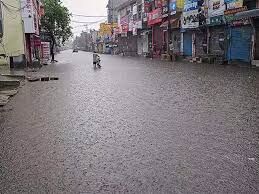
Chandigarh Weather Alert Follows Heavy Rain In Punjab
Unseasonal rain across Punjab and persistent drizzle in Chandigarh have prompted an orange alert from the India Meteorological Department (IMD), highlighting how increasingly erratic weather patterns are beginning to affect urban infrastructure and daily life in North India’s rapidly growing cities. The sudden change in conditions was recorded on Sunday morning, with multiple districts in Punjab witnessing rainfall while the Union Territory continued to receive light showers.
According to the latest update, the rainfall has been linked to an active western disturbance, a recurring weather system that typically brings winter rain to north-western India but is now appearing later in the season. Meteorological officials warned of continued cloudy conditions, gusty winds and the possibility of heavier rainfall in parts of Punjab, prompting the orange alert as a precautionary measure. The impact of such sudden weather changes is particularly significant for urban centres such as Chandigarh, Mohali and Ludhiana, where rapid real-estate expansion and population growth have increased pressure on drainage and transport infrastructure. Even moderate rainfall often leads to waterlogging in low-lying areas, traffic disruption and strain on stormwater systems that were not originally designed for such variability in weather. Urban planners say the frequency of short but intense rain spells has increased over the past few years, making climate-resilient infrastructure a more urgent priority. The current weather shift is not an isolated event. In the past week alone, the IMD has issued multiple alerts across northern states, including rainfall warnings in Delhi-NCR, Himachal Pradesh and other regions affected by similar weather systems.
These repeated alerts point to a broader pattern of unstable pre-summer weather, which is becoming increasingly common across the north-western plains. For city administrations, such alerts are no longer purely meteorological updates — they are also early warnings about infrastructure stress. Sudden rain can disrupt construction projects, slow traffic movement, affect public transport reliability and delay urban development work, especially in areas where road and drainage upgrades are still underway. Experts say that cities that invest in climate-responsive planning — such as improved drainage systems, flood-resilient roads and better water management — are likely to face fewer disruptions in the future. Residents are already experiencing the immediate effects. While the rain has brought temporary relief from rising temperatures, it has also affected commuting patterns and outdoor commercial activity, particularly in high-footfall market areas. In rapidly expanding urban regions, even short-duration rainfall events can have a disproportionate impact on daily life, highlighting the gap between urban growth and infrastructure readiness.
The orange alert is expected to remain in place until weather conditions stabilise, with further updates to be issued by the IMD depending on the intensity of rainfall. The larger challenge for cities like Chandigarh, however, will not be the current rain spell but how they prepare for a future in which weather patterns are becoming less predictable and more intense.