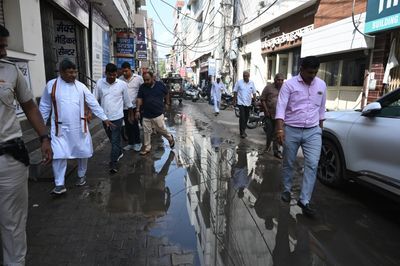
Chandigarh Water Supply Projects Worth 166 Crore Begin
Chandigarh: Authorities in Chandigarh have initiated a new set of urban utility upgrades aimed at strengthening drinking water distribution and wastewater management across the city. Seven infrastructure projects with a combined investment of approximately ₹166 crore are being implemented under the national urban renewal framework to address ageing pipelines, expanding population demand and environmental sustainability challenges.
The programme includes two initiatives focused on water supply improvements and five projects dedicated to sewer network management. Together, these projects represent one of the largest recent investments in the city’s core water infrastructure systems, reflecting growing policy emphasis on modernising urban utilities that underpin public health and environmental protection. Officials overseeing the programme indicated that the water supply component will expand and strengthen pipeline connectivity across key areas. Approximately 10.5 kilometres of water distribution network is planned under the initiative, designed to improve service reliability and ensure more consistent supply coverage in neighbourhoods experiencing pressure fluctuations or ageing infrastructure.
The larger share of the funding will be directed towards sewerage improvements, an area urban planners increasingly identify as critical for sustainable city management. Around 239 kilometres of sewer network will either be newly constructed or upgraded through the projects. Of this, roughly 167 kilometres will involve new pipelines while nearly 73 kilometres will replace deteriorating lines that have been in service for decades. Urban infrastructure experts note that modern sewer systems are essential not only for sanitation but also for preventing groundwater contamination and reducing environmental pollution in rapidly growing cities. Upgrading ageing sewer networks can also improve stormwater management and reduce the risk of sewage overflows during intense rainfall events.
The projects form part of the Atal Mission for Rejuvenation and Urban Transformation (AMRUT 2.0), a national programme aimed at improving water security and universal sanitation coverage across Indian cities. The mission prioritises investments in drinking water supply, sewerage systems and urban water management to support long-term climate resilience and improved civic services. For Chandigarh, which has traditionally been regarded as one of India’s most planned urban centres, the infrastructure push reflects the challenges faced by many mature cities where networks built decades ago must now adapt to higher population densities and evolving environmental standards.
Recent public discussions around water quality and infrastructure maintenance have further underscored the importance of sustained investment in urban utilities. Upgrading distribution networks and sewer pipelines can help reduce contamination risks, improve service efficiency and ensure reliable access to safe drinking water. Urban development analysts say that while new infrastructure is essential, effective maintenance and monitoring systems are equally critical. Technologies such as real-time leak detection, digital water management and pressure-regulated networks are increasingly being adopted by cities seeking to make water systems more resilient.
As the projects move through planning and construction stages, authorities say the upgrades are expected to strengthen Chandigarh’s water infrastructure for the coming decades. The initiative also reflects a broader shift in urban policy—placing reliable water supply and sanitation systems at the centre of sustainable and climate-ready city development.