Chandigarh Urban Challenges Reemerge At Advisory Meet
Chandigarh: A wide range of unresolved civic and infrastructure issues returned to the policy spotlight during a recent meeting of the Administrator’s Advisory Council (AAC), reflecting the persistence of long-standing urban challenges in one of India’s most planned cities.
Officials, sector representatives and committee members used the forum to revisit stalled proposals and administrative bottlenecks affecting infrastructure, public services and governance in the Union Territory. The meeting brought together representatives from various advisory panels that review sector-specific concerns such as education, health, urban planning, environmental management and public utilities. Several matters discussed at the forum had been raised in earlier council deliberations but had yet to see decisive policy action or implementation progress. Among the issues highlighted were delays in resolving infrastructure gaps, improving civic service delivery and strengthening urban governance mechanisms.
Participants pointed to the need for faster decision-making on projects affecting transportation systems, environmental management and municipal services — all of which play a critical role in maintaining the city’s quality of life. Urban planners say the recurrence of such concerns reflects the complexities of governing Chandigarh’s unique administrative framework. As a Union Territory with both municipal and central administrative oversight, the city’s policy processes often involve coordination between multiple agencies and departments. This layered governance structure can slow decision-making, particularly for projects that require approval across different institutional levels. The city’s civic agenda also intersects with broader infrastructure priorities. Discussions around urban mobility, environmental protection and public service delivery increasingly reflect pressures created by population growth and rising economic activity across the Chandigarh–Mohali–Panchkula tri-city region.
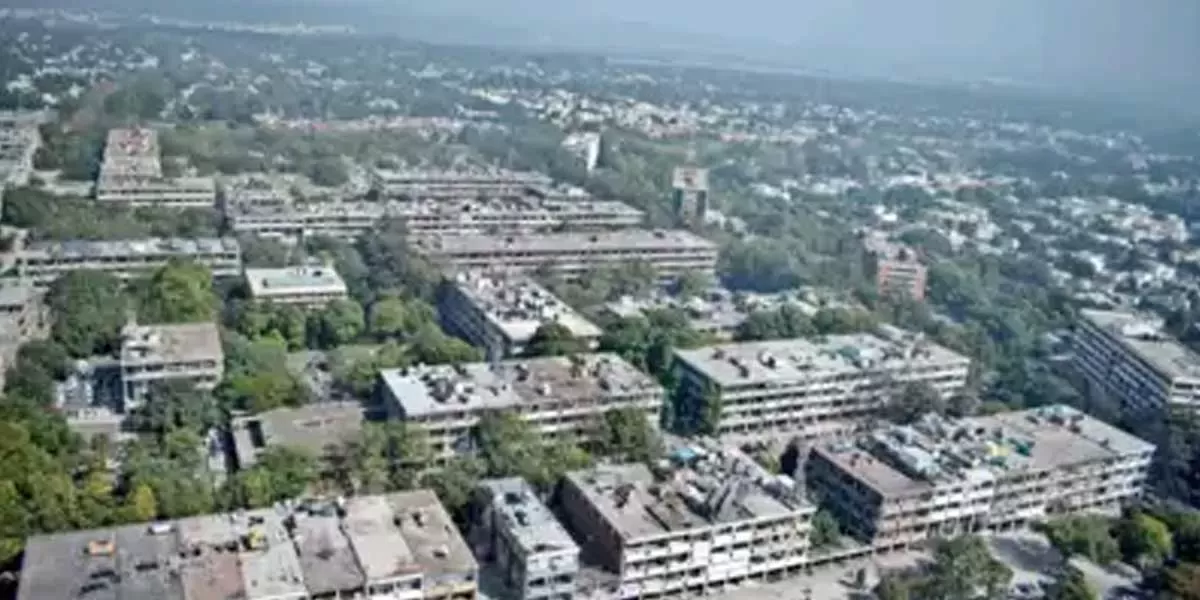
Despite its reputation as a carefully planned urban centre designed by modernist architects in the mid-20th century, Chandigarh faces many of the same urban challenges affecting other Indian cities. Issues such as waste management, traffic congestion, infrastructure maintenance and expanding service demands have gradually become more complex as the city’s population and economic footprint grow. Policy experts note that advisory platforms like the AAC can play an important role in shaping long-term governance strategies. By bringing together experts, civil society representatives and administrators, such forums create space for identifying systemic problems and proposing solutions before they escalate into larger urban crises.
However, analysts also emphasise that the effectiveness of advisory discussions ultimately depends on implementation capacity. Without clear timelines, funding commitments and institutional accountability, recurring civic concerns risk remaining part of policy dialogue without translating into tangible improvements on the ground. For Chandigarh, the renewed focus on unresolved issues highlights the importance of updating governance frameworks alongside physical infrastructure. As the city evolves into a larger regional economic hub, planners increasingly argue that administrative processes must adapt to faster urban growth and rising citizen expectations.
Looking ahead, the advisory council’s deliberations could shape the city’s upcoming development priorities, particularly in areas such as infrastructure modernisation, environmental resilience and digital governance. If followed by concrete policy actions, the discussions may help accelerate solutions to civic challenges that have remained unresolved for years in India’s iconic planned capital.