Chandigarh Tech Research Hub Boosts India Cyber R&D
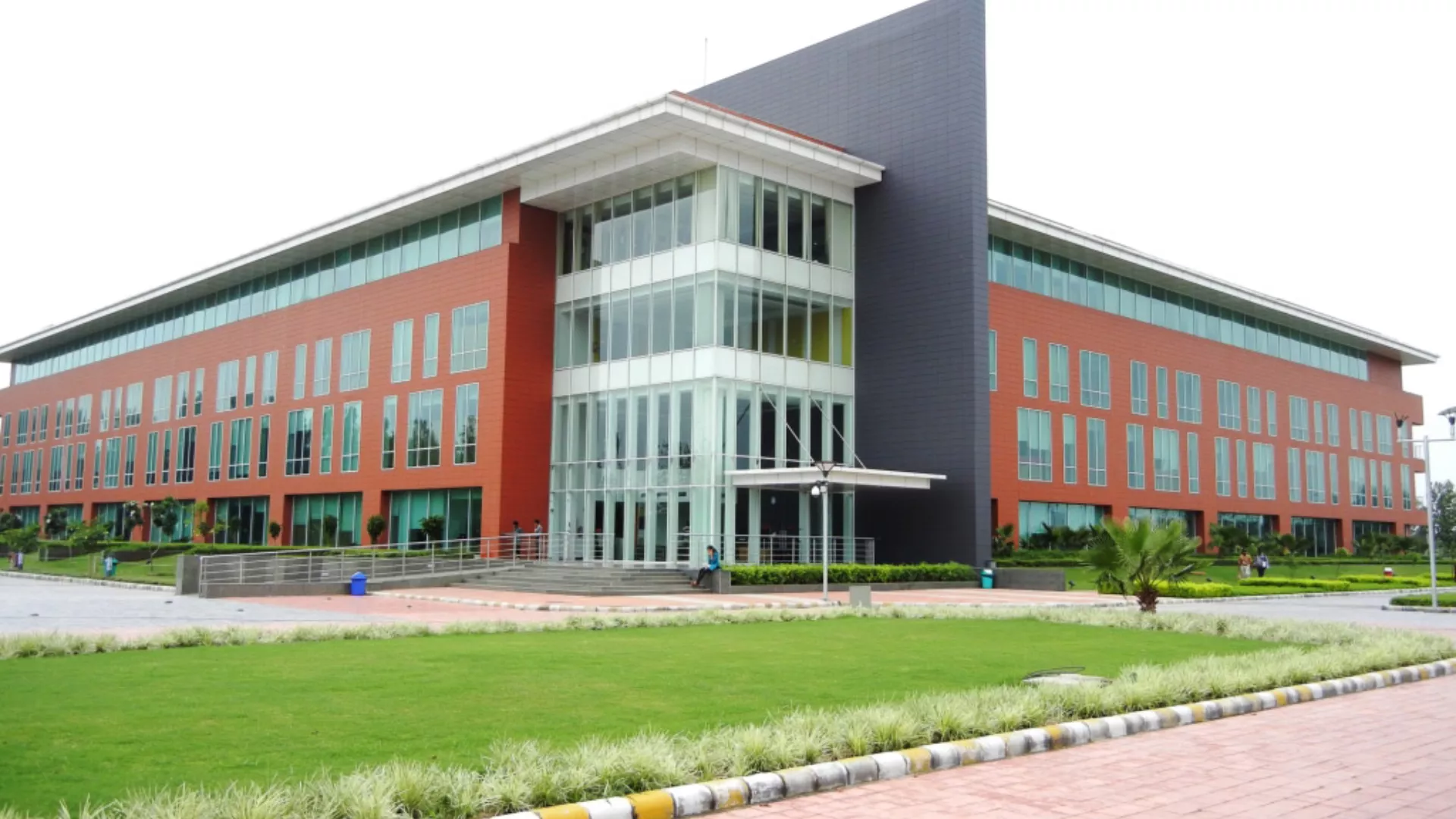
Chandigarh University has inaugurated a dedicated Internet Technology Research Laboratory in partnership with the India Internet Foundation, positioning itself as the first private Indian university to institutionalise specialised research capacity in advanced internet systems and cybersecurity.
This strategic initiative aims to strengthen indigenous capabilities in next-generation digital infrastructure at a time when cities and economies alike are becoming increasingly dependent on secure, resilient digital ecosystems. The new lab operates under the Advanced Internet Operations Research in India (AIORI) framework, joining a small group of elite research centres established by premier public institutes. By integrating technologies such as internet measurement systems, Internet of Things (IoT) frameworks and quantum-safe Domain Name System (DNS) research, the facility seeks to anchor deeper academic-industry collaboration around India’s digital security and internet architecture. Urban planners and digital infrastructure specialists note that such investments are increasingly relevant as Indian cities scale smart networks and data-driven services.
Secure internet systems bolster everything from transport automation to e-governance and emergency response platforms; any vulnerabilities in digital infrastructure can cascade into broader civic risk. A senior urban technology expert observed that “cities cannot protect physical infrastructure without first strengthening the digital frameworks that underpin service delivery.” This is especially pertinent as rapid digital adoption exposes municipal and commercial networks to rising cyber threats. The Chandigarh University lab will serve multiple functions: it will provide students and researchers with access to national-level testbeds spanning distributed cloud environments, edge computing platforms and advanced analytics tools while facilitating live experimentation in secure network design. Enables hands-on training, internships and collaborative projects, the facility aims to produce a pipeline of skilled professionals ready to lead cybersecurity strategy across government and private sectors. This move aligns with national policy priorities that emphasise capacity-building in digital infrastructure resilience and cybersecurity. India has experienced a surge in cybercrime reports in recent years, underscoring gaps in both defensive systems and trained technical personnel.
By anchoring research and curriculum within production-grade test environments, the lab model could serve as a template for future public–private collaboration in technology education and urban digital resilience. Industry observers point out that bridging academic research with real-world internet architectures not only enhances security readiness but also drives innovation in areas like distributed systems, IoT governance and cloud-native services. “Robust cyber R&D is foundational to 6G-ready cities and smarter infrastructure,” noted a technology policy analyst, emphasising the need for synergy between academic institutions and regulatory frameworks in emerging technology domains. Critically, the university model signals a shift in how private academic institutions contribute to national digital priorities. By establishing research infrastructure that complements public institute efforts, private universities can amplify workforce development and technological innovation at scale.
For urban economies, this means a more distributed base of technical expertise, better prepared to safeguard critical digital services that increasingly underpin urban quality of life and economic competitiveness. Moving forward, the initiative is likely to catalyse further academic engagements, workshops and joint research programmes that deepen India’s domestic expertise in secure internet technologies and digital governance — essential elements of resilient 21st-century urban systems.