Indore AB Road Congestion Highlights Infrastructure Gaps
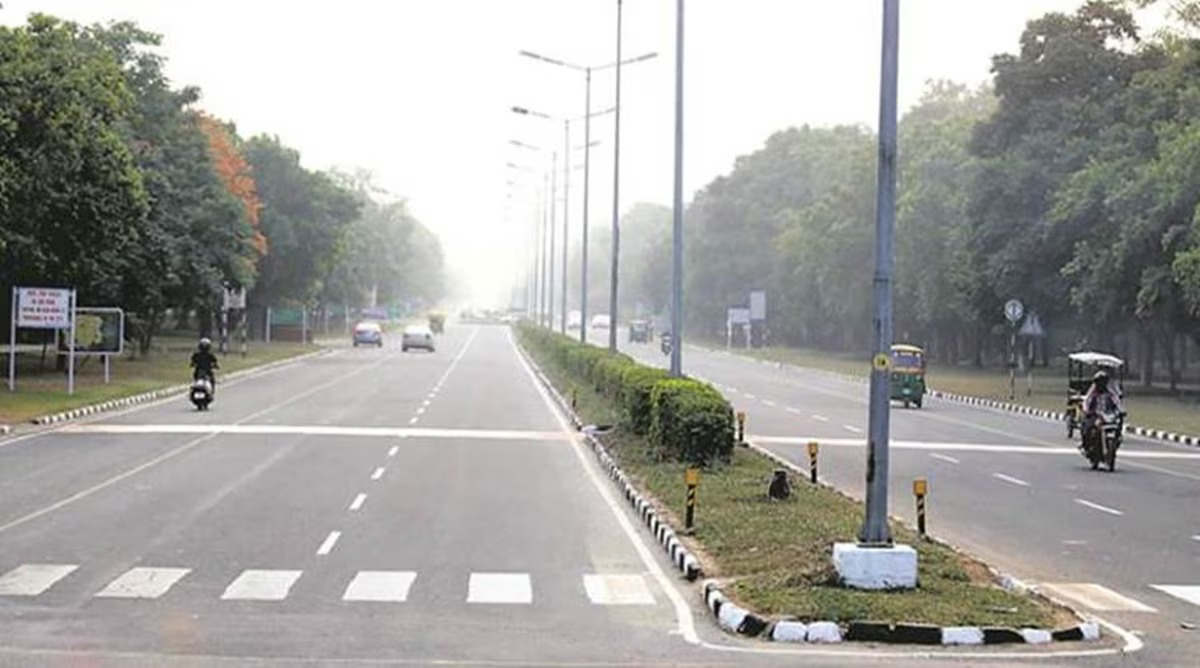
Chandigarh has initiated one of its largest urban maintenance programmes in recent years as authorities begin extensive resurfacing of roads and cycle tracks across the city. The Chandigarh road renewal drive aims to restore ageing transport infrastructure while introducing strict completion timelines and budget allocations, reflecting renewed focus on maintaining the city’s planned mobility network. Officials from the Union Territory administration say the effort covers hundreds of kilometres of roadways under their jurisdiction. Engineering assessments conducted during the current financial year found that a significant portion of the primary road network required resurfacing or structural repairs after years of gradual wear and delayed maintenance cycles.
Chandigarh’s administrative engineering department manages more than 700 kilometres of major roads and over 110 kilometres of dedicated cycling infrastructure. Within this network, roughly half the roads and several cycling stretches were flagged for urgent upgrades. Repair work began earlier in the year with recarpeting of select road sections and restoration of key cycle tracks before winter conditions affected construction schedules. Authorities confirm that additional stretches are currently undergoing resurfacing, with several priority corridors targeted for completion before the end of the financial year. These works form the first phase of the broader Chandigarh road renewal drive, while larger segments of the network are scheduled for upgrades during the next fiscal cycle. Urban mobility experts say timely maintenance of roads and cycling infrastructure plays an essential role in preserving the efficiency of planned cities like Chandigarh. Smooth road surfaces reduce vehicle operating costs, improve traffic safety and help maintain consistent travel speeds. At the same time, functioning cycle tracks support low-carbon mobility by encouraging residents to shift toward non-motorised transport for short trips.
Alongside the Union Territory engineering department, the municipal corporation is also managing a substantial road restoration programme. The civic body oversees more than 1,500 kilometres of neighbourhood and secondary roads, many of which have experienced deterioration due to heavy usage and limited resurfacing over the past several years. According to civic engineering officials, a large share of these municipal roads has been earmarked for recarpeting. While some repairs were completed earlier in the financial year, hundreds of kilometres remain pending and will be addressed through phased contracts extending into the next fiscal period. Infrastructure analysts note that the scale of the programme highlights a broader issue faced by many Indian cities: ensuring consistent maintenance of urban infrastructure rather than relying on periodic large-scale repairs. Planned resurfacing cycles can extend the lifespan of roads and reduce the need for costly reconstruction later. In Chandigarh’s case, the Chandigarh road renewal drive also reflects a push to restore confidence in the city’s urban services after surveys revealed several heavily damaged road segments and cycle tracks requiring urgent attention.
If completed on schedule, the current programme could significantly improve daily commuting conditions for residents while strengthening the resilience of the city’s mobility network. For a planned city known for its structured road hierarchy and cycling infrastructure, maintaining these systems remains central to supporting efficient, people-focused urban movement.