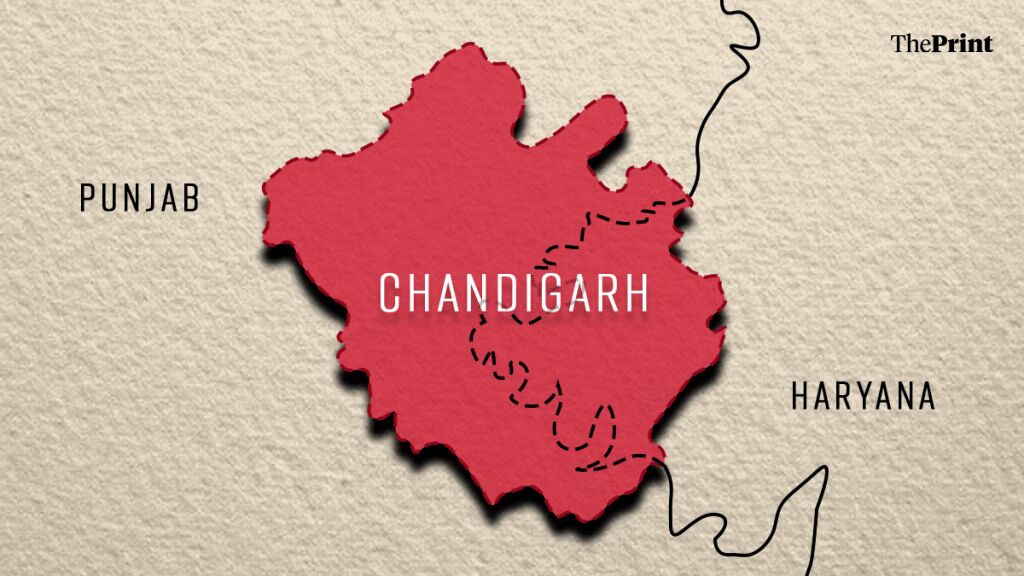
A sweeping infrastructure and public services investment programme underway in Haryana is set to reshape development patterns across the Chandigarh region, strengthening its role as a multi-jurisdictional urban cluster. With large-scale spending directed towards transport, utilities, and civic systems, the initiative is expected to ease infrastructure stress while unlocking new growth corridors around the city.
The scale of investment reflects a strategic shift towards integrated regional planning. For Chandigarh—where land availability is limited and population pressures are rising—development in neighbouring Haryana districts has become central to sustaining economic activity and improving liveability. The evolving Chandigarh region infrastructure network now extends well beyond city boundaries, making coordinated upgrades essential. Officials indicate that the investment push covers a wide range of sectors, including road expansion, water supply systems, energy infrastructure, and public service delivery. Strengthening these systems in districts adjoining Chandigarh can help redistribute urban pressures by enabling residential and commercial growth outside the city’s tightly regulated core. Urban planners highlight that Chandigarh’s planned layout, while efficient, cannot absorb unchecked expansion. As a result, nearby towns have emerged as critical extensions of the urban ecosystem. Improved infrastructure in these areas can reduce congestion, shorten commute times, and provide more affordable housing options, all of which contribute to a more balanced metropolitan structure.
The Chandigarh region infrastructure transformation is also expected to influence investment patterns. Enhanced connectivity and reliable utilities can attract industries and service sector players to peripheral zones, reducing concentration risks and supporting diversified economic growth. This, in turn, can generate employment opportunities closer to emerging residential hubs, limiting the need for long-distance commuting. Sustainability considerations are increasingly shaping the design and execution of these projects. Experts note that investments in modern drainage, efficient water systems, and resilient power infrastructure are critical for addressing climate-related challenges such as extreme weather events and resource scarcity. Embedding such features at the planning stage can help future-proof the region against environmental stress. However, the success of this large-scale initiative will depend on governance coordination. Chandigarh operates under a distinct administrative framework, while surrounding areas fall under Haryana’s jurisdiction. Aligning policies, timelines, and infrastructure standards across these boundaries remains a key challenge. Without such alignment, fragmented development could undermine the intended benefits.
Economic analysts point out that infrastructure spending of this magnitude can act as a catalyst for regional growth, boosting construction activity, improving logistics efficiency, and enhancing overall productivity. For residents, the changes could translate into better access to services, improved mobility, and expanded economic opportunities. As Haryana advances its infrastructure agenda, the spotlight will be on execution quality and regional integration. For Chandigarh, the developments signal a transition towards a more interconnected urban future—one where the strength of the city is increasingly defined by the resilience and efficiency of the wider region it anchors.