Chandigarh Region to Benefit from New 6-Lane Road Link
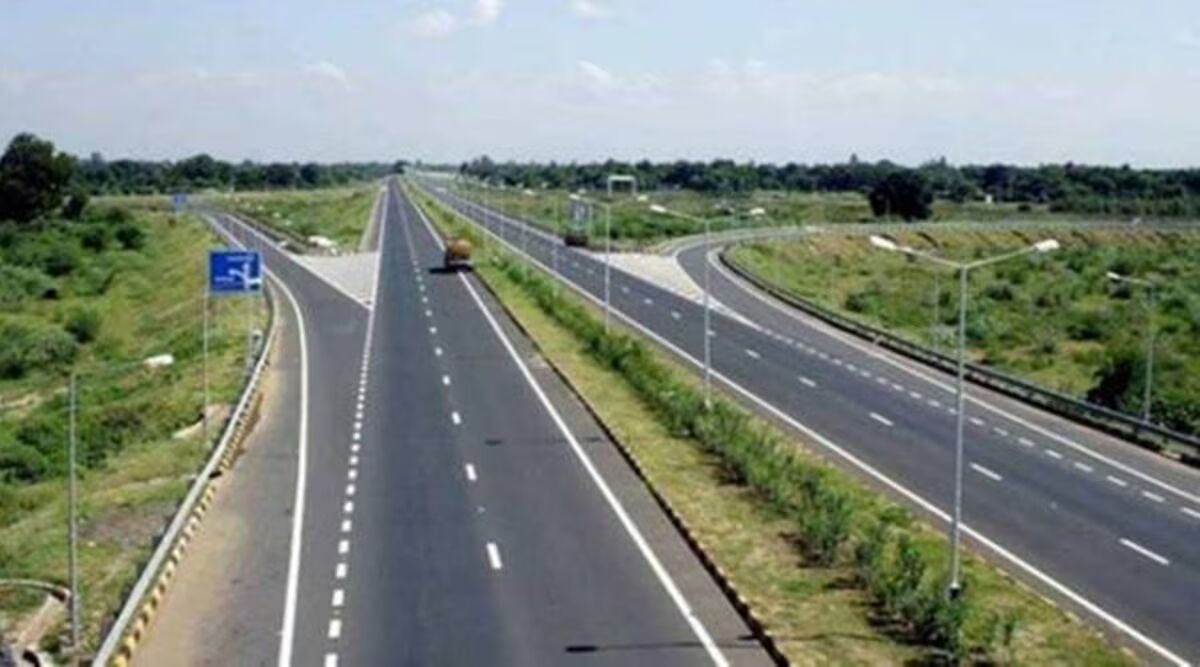
Chandigarh and its neighbouring urban cluster are set to see a major boost in regional connectivity after the Union Government approved nearly ₹1,464 crore for a strategic six-lane, access-controlled road link that forms a critical missing piece of the long-planned Tricity Ring Road infrastructure network.
The sanction — intended to link the Ambala–Chandigarh section of National Highway 205A with the Zirakpur bypass — reflects growing emphasis on both urban decongestion and inter-state transport efficiency. The proposed greenfield corridor, spanning roughly 10.3 kilometres, is designed to redirect through-traffic — including heavy freight and long-distance travel — away from key urban junctions within the Chandigarh–Mohali–Panchkula region. By alleviating chronic congestion on NH-44, NH-205A and NH-152, planners expect smoother traffic flow, reduced travel times and lower emissions from idling vehicles — all of which contribute to better urban air quality and reduced road safety risks. Urban mobility specialists note that chronic traffic bottlenecks in satellite cities can undermine economic productivity and quality of life, particularly where industrial and commuting corridors overlap.
“Redirecting inter-city and freight traffic onto a controlled access road can de-pressurise inner city grids,” said a regional transport planner, highlighting the strategy’s dual benefit of enhancing both urban environment and long-distance connectivity. Beyond local relief, the corridor is expected to improve connectivity towards Himachal Pradesh, notably enhancing access to the Shimla region — a key tourism and economic destination. By easing the travel burden on existing highways and improving continuity on regional transport routes, the project seeks to integrate northern Indian markets more tightly, broadening economic opportunity corridors. The investment also underscores a larger policy trend towards developing multimodal transport links that tie road infrastructure with broader regional growth strategies. Think-tanks focusing on infrastructure economics point out that such link spurs can reduce logistics costs for businesses, shorten supply chain cycles and improve last-mile connectivity for urban centres — factors that are increasingly vital in competitive internal markets.
However, the project sits at the intersection of several planning challenges. For one, coordinating construction timelines with existing urban development — especially in rapidly evolving peri-urban areas around Chandigarh — requires careful sequencing of land acquisition, environmental clearances and civil works without disrupting local communities. Urban planners stress proactive communication with residents and businesses to manage expectations around construction impacts. The corridor’s strategic role in the Tricity Ring Road project also reflects a broader push by regional authorities to strengthen suburban and peri-urban connectivity, catering both to commuter flows and freight movements. If timely execution follows approval, the link could serve as a template for similar regional mobility upgrades in other congested clusters, balancing urban growth with climate and quality-of-life considerations.
With tenders already floated and construction expected to complete within 18 months of award, authorities are now moving swiftly to translate the long-awaited approval into ground-level change — promising smoother journeys and expanded economic linkages for the Chandigarh region’s residents, travellers and businesses alike.