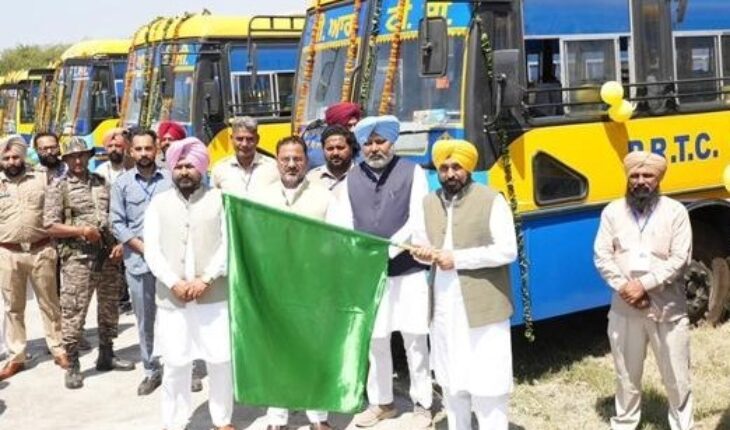
Chandigarh Region Eyes Cleaner Public Transport Rollout
A renewed push towards electric public transport in the Chandigarh region is signalling a shift in how urban mobility is being planned across the tri-city area, with authorities preparing to expand bus fleets powered by clean energy. The move is aimed at reducing vehicular emissions, improving air quality, and modernising public transport systems in one of North India’s most closely integrated urban clusters.
Officials indicate that the initiative is part of a broader strategy to transition conventional diesel-powered fleets to electric alternatives. For Chandigarh, where rising vehicle ownership has led to congestion and air pollution concerns, the shift towards zero-emission buses is increasingly seen as essential rather than optional. The evolving Chandigarh electric bus network is expected to play a central role in reshaping daily commuting patterns. The proposed expansion is likely to strengthen connectivity between Chandigarh and its neighbouring cities, which function as a single economic and residential unit. A cleaner and more efficient public transport system could reduce dependence on private vehicles, particularly for inter-city travel within the region. This has implications not only for mobility but also for land use, as improved transit often encourages more compact and transit-oriented development. Urban mobility experts note that electric buses offer both environmental and operational advantages. While the upfront costs are higher, lower fuel and maintenance expenses can make them more viable over time. Additionally, quieter operations and reduced emissions contribute to better urban living conditions—an important consideration for a planned city like Chandigarh that prioritises quality of life.
The Chandigarh electric bus network also aligns with national and state-level goals to decarbonise transport systems. Integrating charging infrastructure, optimising routes, and ensuring reliable service will be key to achieving meaningful impact. Planners emphasise that the success of such initiatives depends on seamless coordination between transport authorities, power utilities, and urban local bodies. However, challenges remain. The transition requires significant investment in charging stations, grid capacity upgrades, and fleet management systems. There is also a need to ensure that services remain affordable and accessible, particularly for lower-income commuters who rely heavily on public transport. From an economic perspective, the shift towards electric mobility can stimulate new industries, including battery management, charging infrastructure, and maintenance services. This could create jobs and position the Chandigarh region as a hub for clean mobility innovation in North India.
As implementation progresses, the focus will be on service reliability, network coverage, and user adoption. If executed effectively, the transition could set a benchmark for medium-sized Indian cities seeking to balance growth with sustainability. For Chandigarh, the move underscores a broader transformation—one that places clean, efficient, and inclusive mobility at the heart of its urban future.