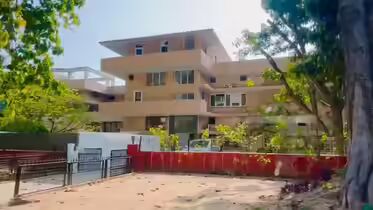
Chandigarh Premium Housing Drives Elite Real Estate Demand
Chandigarh’s premium housing market is being driven by a cluster of high-value residential sectors that continue to attract affluent buyers, investors, and institutional interest, reinforcing the city’s position as one of North India’s most stable luxury real estate destinations.
Key neighbourhoods such as Sectors 5, 8, 9, 10, and 11 have emerged as the core of this premium residential ecosystem. These sectors, located in the central grid of the city, are characterised by low-density planning, large plot sizes, and proximity to green spaces—features that have sustained long-term demand despite limited land availability. Sector 5, often regarded as Chandigarh’s most exclusive address, houses senior officials and high-net-worth individuals, with expansive bungalows and heightened security contributing to its premium positioning. Nearby sectors such as 8 and 9 offer a blend of luxury housing and urban convenience, attracting business families and non-resident Indians due to their proximity to commercial hubs and recreational landmarks like Sukhna Lake. Sector 10 and Sector 11, meanwhile, are seen as relatively quieter but equally high-value residential pockets. These areas combine well-planned infrastructure with access to educational institutions and cultural landmarks, making them attractive to both established families and professionals seeking long-term residential stability. Urban planners note that Chandigarh’s sector-based planning model—characterised by wide roads, integrated green belts, and strict zoning—continues to underpin its premium real estate appeal. Unlike many rapidly expanding cities, Chandigarh’s controlled development framework has limited supply in central sectors, creating sustained upward pressure on property values.
This scarcity factor is increasingly influencing investment patterns. With limited new land available in core sectors, demand is intensifying for existing properties, particularly independent houses and villas. In areas like Sector 9, property values for premium homes can exceed ₹5 crore, reflecting both exclusivity and long-term capital appreciation potential. The premium positioning of these sectors is also tied to lifestyle infrastructure. High-end schools, healthcare facilities, curated retail spaces, and low congestion levels contribute to their desirability. For investors, this translates into stable rental yields and strong resale value, making Chandigarh’s luxury housing market relatively resilient compared to more volatile metropolitan regions. However, the concentration of demand in a limited number of sectors also raises broader urban development questions. As affordability declines in central areas, newer growth corridors in the Tricity region—including Mohali and New Chandigarh—are emerging as alternative destinations for both mid-range and premium housing. Experts highlight that this outward expansion reflects a typical urban transition, where core city areas retain premium status while peripheral zones absorb future growth. The challenge for policymakers lies in ensuring that this expansion remains planned, inclusive, and supported by adequate infrastructure.
From a sustainability perspective, Chandigarh’s legacy of green planning offers a strong foundation, but maintaining this balance amid rising demand will require careful regulation of density, transport integration, and environmental conservation. As the city evolves, its premium residential sectors continue to anchor the real estate market—demonstrating how planning discipline, infrastructure quality, and limited supply can combine to create enduring urban value.