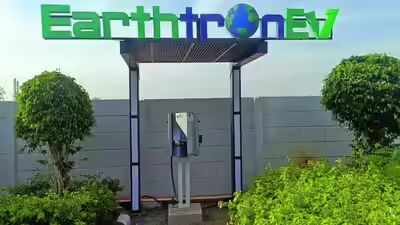
Chandigarh is preparing to significantly expand its electric vehicle charging network with plans to add 15 new public charging stations across high-traffic commercial and civic locations. The proposal, currently under consideration by the municipal authorities, reflects the city’s attempt to accelerate the shift toward electric mobility as EV registrations continue to rise steadily.
The new sites have been identified by the city’s renewable energy agency and are expected to be located in areas with strong daily footfall such as markets, public parking zones and institutional districts. If the plan receives final approval, the number of public EV charging points in Chandigarh would increase from around three dozen to more than fifty, substantially improving accessibility for residents and commuters. Officials involved in the planning process say the expansion is being driven by changing vehicle trends in the city. EV registrations have been rising consistently in recent years, and data from recent parliamentary responses also shows that the number of charging stations in smaller urban territories still remains limited compared with large metropolitan regions. Urban planners note that without faster charging infrastructure expansion, the pace of EV adoption in mid-sized cities could slow significantly.
The proposed model also highlights a shift in how municipal authorities are funding green infrastructure. Instead of building and operating charging stations directly, the city plans to provide land while private operators will install and manage the charging equipment under a public-private partnership framework. The municipality, in turn, will earn fixed revenue from the sites while operators generate income through usage fees. Officials say the existing charging network has already demonstrated financial viability, strengthening the case for further expansion. Urban mobility experts believe the expansion is particularly significant for cities such as Chandigarh, where the transition to cleaner transport is closely linked to long-term urban planning. Policies introduced earlier by the administration have already encouraged EV-ready parking in new buildings and simplified approvals for private charging points in housing societies and workplaces. Expanding public charging infrastructure is therefore seen as the next step in making electric mobility practical for a wider segment of residents.
The broader national context also supports the move. Across India, state governments and municipal bodies are increasingly integrating EV charging stations into city budgets, transport plans and sustainability strategies. Recent urban budget proposals in multiple cities have included allocations for charging infrastructure as part of a larger push to reduce urban emissions and improve energy efficiency in the transport sector. For residents, the addition of more public charging stations could make a practical difference. Limited availability of reliable charging points remains one of the biggest barriers to EV adoption, particularly for apartment dwellers who cannot install private chargers. By placing new stations in commercial areas and public parking spaces, the city hopes to make electric vehicles more viable for everyday urban use.
If implemented on schedule, the addition of 15 new sites would mark one of the most visible steps yet in Chandigarh’s transition toward cleaner mobility. More importantly, it could demonstrate how smaller cities can scale electric infrastructure without waiting for large-scale national projects, potentially setting a model for other urban centres with similar growth patterns.