Chandigarh Planning Delays Highlight Infrastructure And Growth Gaps
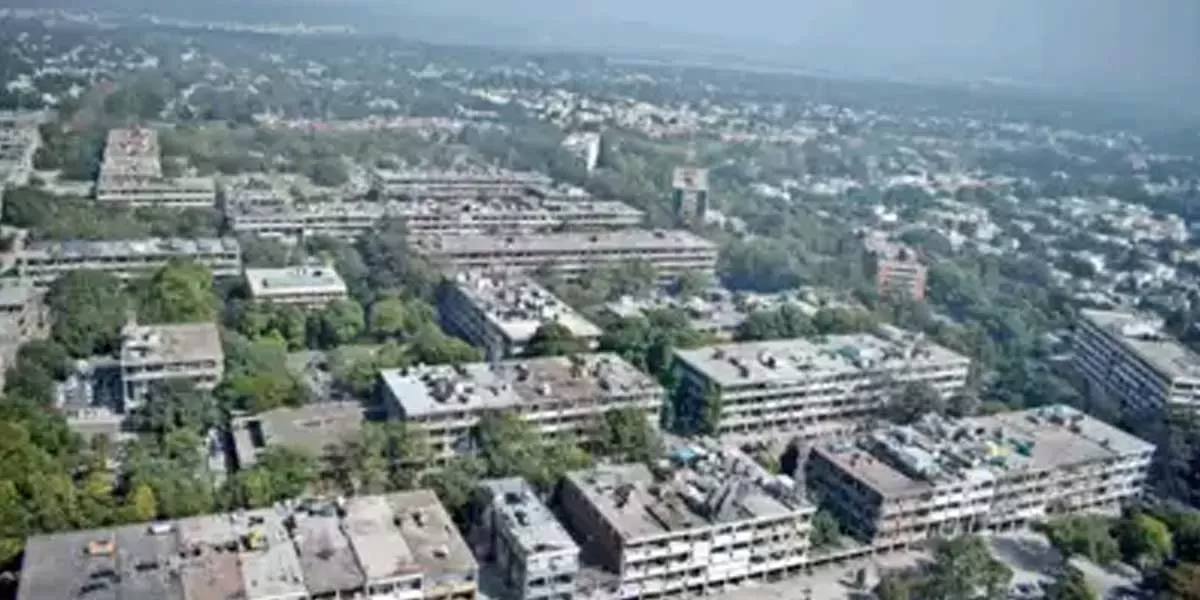
CHANDIGARH — Chandigarh’s Master Plan-2031, the city’s long-term urban blueprint, is struggling to translate its ambitious vision into tangible outcomes, with many key elements still unrealised more than a decade after its notification.
The stagnation highlights broader challenges in urban governance, inter-jurisdictional coordination and infrastructure delivery for a planned city whose identity and functionality have significant regional implications. Originally notified in 2015 to guide land use, infrastructure investment, housing, mobility and regional integration, the master plan was intended to shape growth in one of India’s most meticulously designed cities. However, only a fraction of its proposals has been translated into ground action, owing to bureaucratic inertia, fragmented implementation responsibilities and the absence of a statutory regional planning body. Chandigarh’s landlocked geography makes coordination with neighbouring Punjab and Haryana essential for cohesive urban expansion and infrastructure integration — especially for transport connectivity and regional mobility. Although past objectives included establishing a planning authority akin to the National Capital Region Planning Board to streamline development across jurisdictions, no such statutory mechanism has yet materialised. This gap has hindered progress on critical projects such as metro links and major regional infrastructure.
Urban activists and planning professionals point to several persistent gaps: village mapping and integration remain incomplete, underutilised land pockets within the planning area have yet to be developed, and precinct-level pedestrian infrastructure has lagged behind both mobility needs and sustainability goals. Key flagship proposals — such as a proposed film city, exhibition grounds and landmark civic buildings — have also been sidelined or only partially advanced years after inclusion in the plan. The plan’s sluggish execution contrasts with Chandigarh’s reputation as India’s “City Beautiful”, known for its orderly sector grid, civic spaces and Green Belt legacy conceived by Le Corbusier and collaborators in the 1950s. While the original design emphasised openness, connectivity and harmony between built form and landscape, rapid urbanisation and demographic pressures in recent decades have stressed those principles, exposing weaknesses in regulatory enforcement and adaptive planning.
Challenges are compounded by constrained land availability. Recent analyses suggest that less than 10 per cent of the city’s land remains uncommitted for future development, with remaining parcels concentrated in peripheral or phase-III sectors and technology park areas. This has increased pressure on planners to optimise existing land use while balancing housing, commercial needs and ecological considerations. Residents’ associations have also raised concerns over delayed execution of specific components referenced in the master plan. For example, internal sector roads and alternate corridors earmarked under planning projections remain unfinished, contributing to congestion, dust and safety concerns along narrow approaches.
Urban governance experts contend that the stagnation is not purely technical but also institutional. Without a unified regional coordinating framework and empowered planning authority, Chandigarh’s development decisions remain fragmented across departments and adjacent states — undermining the cohesive implementation envisioned in the blueprint. Administrative efforts to revise the master plan are underway, with earlier amendments proposed to liberalise land use, update zoning norms and balance heritage conservation with contemporary growth demands. However, these revisions themselves require robust public and technical consultation to ensure alignment with ground realities and effectiveness in guiding future urban investments.
As Chandigarh’s leadership weighs policy reforms and plan amendments, the city’s ability to rejuvenate its master blueprint will have long-term implications for infrastructure delivery, regional integration and sustainable urban growth — ensuring that planning intentions are not confined to documents but realised in the built environment.