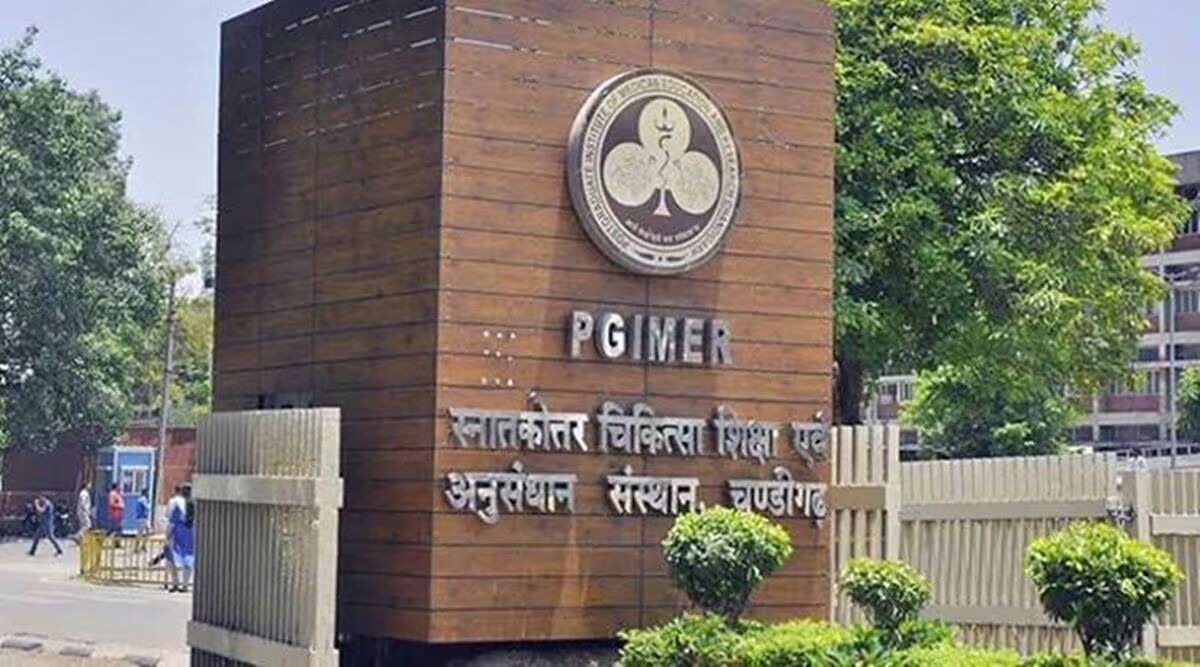
Chandigarh PGIMER Transplant Centre Boosts Healthcare Infrastructure
Chandigarh’s largest public healthcare institution is moving closer to establishing a dedicated transplant centre, a step that could significantly expand advanced medical treatment capacity across north India. The plan is part of a broader strategy to reorganise high-end medical services at the Postgraduate Institute of Medical Education and Research (PGIMER) and respond to the growing number of patients travelling to the city for complex procedures.
Public information released over the past year shows that PGIMER has already emerged as one of the country’s busiest transplant centres, particularly in kidney and liver procedures. Recent data indicates the institute has crossed several thousand kidney transplants and continues to reduce waiting times through multiple specialised transplant units operating simultaneously. The proposed dedicated transplant centre is expected to consolidate these programmes under a single, purpose-built facility. Urban health planners say such centralised transplant infrastructure is increasingly necessary in fast-growing metropolitan regions where demand for organ-failure treatment is rising due to ageing populations, lifestyle-related illnesses and improved diagnostic systems. Earlier government reports had also proposed expanding transplant-related infrastructure at PGIMER as part of long-term investments in tertiary healthcare institutions.
The move fits into a broader expansion strategy already underway at the institute. In recent months, PGIMER has taken steps to create new patient-centric departments and specialised treatment centres to cope with increasing patient load from multiple northern states. Separate reports confirm that additional speciality departments and large-scale facilities—such as advanced neuroscience and cardiac emergency units—are also being rolled out to improve access to high-end treatment. Urban-development experts say the significance of a dedicated transplant centre goes beyond healthcare alone. Cities that host advanced medical infrastructure often evolve into regional health hubs, influencing real-estate demand, transport planning and the growth of medical-related services. In Chandigarh’s case, PGIMER already attracts patients from Punjab, Haryana, Himachal Pradesh, Jammu and Kashmir, and parts of Uttar Pradesh, placing heavy pressure on the city’s public infrastructure.
The proposed centre could also improve efficiency by reducing the need for patients to move between multiple departments during time-critical procedures. Transplant surgeries require complex coordination between surgeons, intensive-care units, laboratories and organ-transport systems. Consolidating these services within a specialised centre could shorten treatment timelines and improve survival outcomes for patients waiting for life-saving transplants. There is also a broader public-health dimension. Experts note that public-sector transplant infrastructure plays a crucial role in ensuring that advanced medical treatment remains accessible to lower- and middle-income households, especially in regions where private hospital costs are unaffordable for most patients.
As planning for the dedicated facility moves forward, the next steps are likely to focus on funding, building design and manpower requirements. If implemented successfully, the project could strengthen Chandigarh’s position as a major healthcare hub while improving access to advanced transplant care across north India.