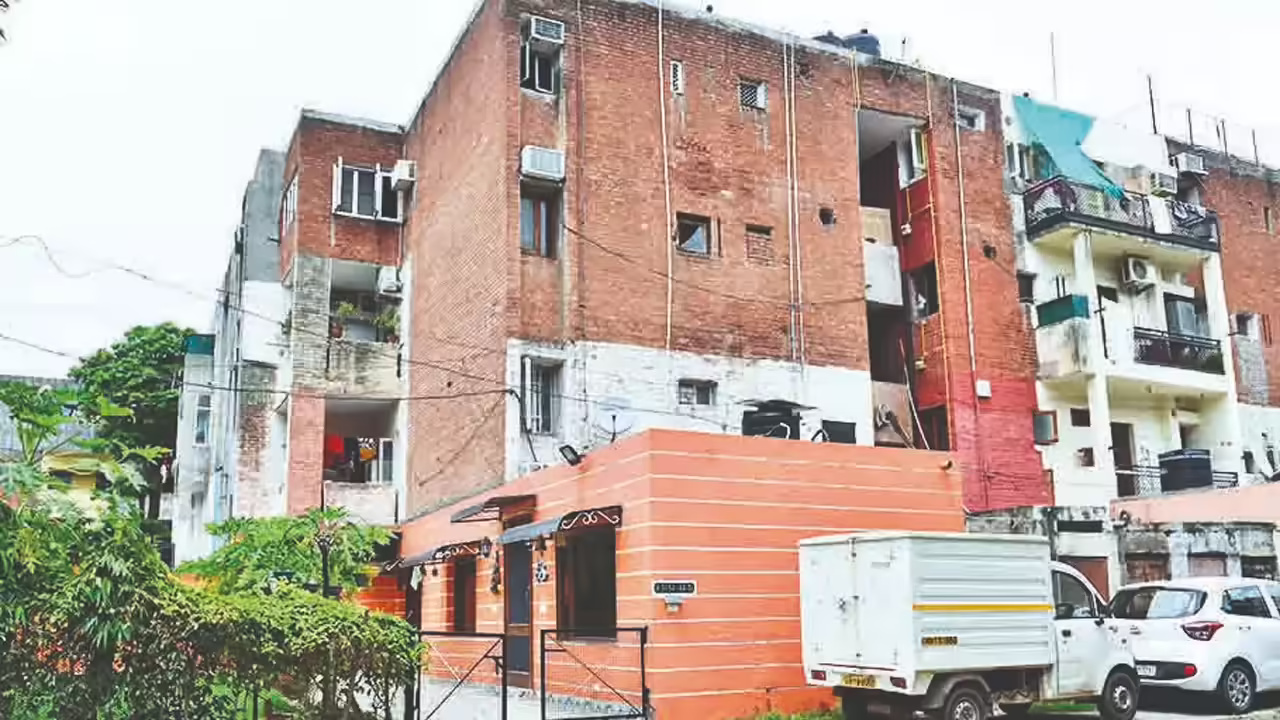
Chandigarh has moved to recalibrate housing policy for Cooperative House Building (CHB) societies, reviving need-based changes that seek to provide substantive relief to approximately 40,000 residents.
The decision reflects a growing recognition by civic and planning authorities that rigid, uniform regulatory norms were hindering the ability of long-established cooperative communities to upgrade infrastructure, address safety deficiencies and sustain ageing buildings in a city known for its planned residential enclaves. CHB societies occupy a distinctive place in Chandigarh’s residential fabric. These cooperative clusters — developed over decades to provide affordable homeownership — now face challenges related to outdated amenities, encroaching maintenance costs and high regulatory barriers to redevelopment or retrofits. The revived policy approach allows those societies to apply for customised relaxations on technical standards, building controls and related fees, based on demonstrated local needs rather than blanket conditions that did not always reflect ground realities.
Officials involved in the policy reset say that need-based adjustments will be evaluated on criteria such as structural integrity issues, essential service deficiencies and feasibility of repair or expansion plans. This shift marks a departure from previous frameworks that were seen as overly prescriptive, often delaying essential work and increasing financial strain on residents. By enabling a more flexible, evidence-based approval process, authorities aim to enhance the capacity of older housing stock to meet contemporary safety and quality standards. For the residents of CHB societies — many of whom live on fixed incomes or have deep ties to their communities — the policy change could mean tangible improvements in living conditions. Repairing or strengthening water, sewerage, electrical and structural systems can reduce recurring breakdowns, improve comfort and enhance the long-term value of cooperative homes in a city where land supply is constrained and real estate dynamics are competitive.
Urban housing experts view this development as part of a broader challenge facing planned cities like Chandigarh, where land is finite and redevelopment options are tightly regulated to maintain master plan coherence. Need-based regulatory adjustments could help balance the preservation of urban form with the imperative to upgrade aging infrastructure that underpins quality of life. However, ensuring that these changes do not inadvertently weaken environmental or safety safeguards will require robust criteria and transparent decision-making. The policy reset may also have implications for local housing markets. Clearer pathways for upkeep and upgrade work can enhance investor and resident confidence in cooperative schemes, potentially stabilising values and unlocking new financing options through improved asset quality. However, increased demand for changes that expand built space or amenities will also need careful calibration with infrastructure capacity, particularly in areas where utilities, roads and public services are already nearing saturation.
As the revised framework takes effect, civic bodies have indicated that applications for CHB adjustments will be supported with technical reviews and multi-agency coordination to streamline processing. The effectiveness of this policy shift will be gauged not only by the number of approvals granted but by the measurable improvements in building safety, utility reliability and resident satisfaction over the coming months.