Haryana has approved a revised cost structure for several major rail-infrastructure projects, signalling a renewed push to strengthen regional connectivity across the state and the wider National Capital Region. The decision, taken during a high-level board review, brings the updated project outlay to ₹11,709 crore and includes a detailed assessment of progress on key rail corridors expected to support industrial and logistics growth.
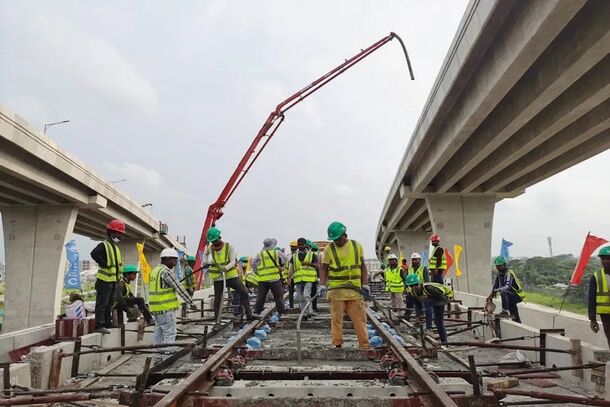
Officials confirmed that the revised figures primarily relate to projects being executed through the state’s rail infrastructure corporation, including the Haryana Orbital Rail Corridor — one of the most significant freight-focused projects currently under development in northern India. The corridor is designed to improve connectivity to major industrial clusters such as Manesar, Sohna and Kharkhoda, which have emerged as important manufacturing and logistics hubs over the past decade. Progress updates presented during the meeting suggest that several components of the project are already well advanced. More than 60% of the planned tunnelling work for the orbital corridor has been completed, while a large share of land-acquisition compensation has also been disbursed. Officials said the remaining work is expected to accelerate once environmental clearances and alignment approvals are fully completed, reducing one of the biggest delays that large infrastructure projects often face. The review also covered other strategic rail projects across the state, including the Kurukshetra elevated track, which is now nearing commissioning, and feasibility work on the Eastern Orbital Rail Corridor linking key urban centres across Haryana and the NCR.
These projects are expected to increase rail capacity while reducing congestion on existing routes that are currently handling both passenger and freight traffic. From an urban-development perspective, the cost revision reflects a broader trend in India’s infrastructure planning, where older project estimates are increasingly being updated to reflect higher land costs, new environmental requirements and more advanced engineering standards. In recent months, both the state and the central government have cleared multiple transport projects — including rapid-transit corridors and multi-tracking rail projects — aimed at strengthening connectivity between growing industrial cities and metropolitan regions. Urban planners say the long-term impact of these rail investments will depend not only on project execution but also on how effectively they are integrated with regional development plans. Improved rail connectivity can help reduce road congestion, lower logistics costs and support more balanced urban growth across smaller cities that are increasingly emerging as industrial centres.
The revised cost approval is therefore being seen less as a financial escalation and more as a structural update to align infrastructure projects with current economic and environmental realities. If completed on schedule, the projects reviewed this week could reshape regional mobility patterns and strengthen the logistics backbone connecting Haryana’s emerging industrial zones with the larger NCR economy.