Chandigarh Legacy Waste Removal Target Set For 10 Days
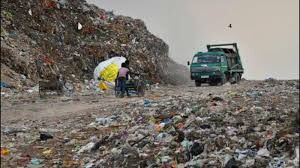
Chandigarh has indicated that it is close to becoming free of legacy waste within days, a development that could mark one of the fastest clean-up efforts among major Indian cities struggling with long-standing landfill sites. The municipal corporation has informed the court that the remaining legacy waste at the city’s primary dumping ground is expected to be cleared shortly, signalling the near-completion of a multi-year remediation programme that has transformed one of the region’s most contentious environmental issues.
The legacy waste removal effort in Chandigarh is not a short-term campaign but the final stage of a project that began several years ago after repeated environmental warnings and court-monitored directives. Municipal budget documents for 2025-26 show that large allocations were set aside for bio-mining and scientific treatment of old waste, with the civic body targeting full processing within the current financial year. Reports related to court-monitored waste-management compliance have also highlighted how legacy dumps were gradually processed through bio-remediation and segregation rather than simple landfill expansion. Recent news coverage suggests that the work is now in its final phase, with only a small portion of the waste mound remaining at the Daddumajra site. The project, which began in 2019, involved processing lakhs of tonnes of old waste through mechanical separation and converting the remaining material into bio-soil or refuse-derived fuel. Once the last phase is completed, the land is expected to be levelled and converted into green space, effectively reclaiming an area that had remained environmentally stressed for decades.
Urban planners say the legacy waste removal in Chandigarh has wider implications beyond local sanitation. Large dumpsites have historically shaped how cities grow, often pushing residential and commercial development away from certain areas. Once the land is reclaimed, it can potentially support parks, urban forests or public infrastructure, especially in cities where available land is limited. Court-appointed monitoring committees in previous reports have also recommended that cleared dumping sites should be converted into green spaces or public-use areas to prevent the problem from returning. The development is also significant in the context of broader regional efforts to eliminate legacy waste. Several neighbouring states are still dealing with large untreated dumps, and recent comparisons show that many cities continue to face delays in bio-mining projects due to funding, technology and land-use constraints. Against that backdrop, Chandigarh’s progress is being viewed as a test case for whether smaller but planned cities can complete landfill remediation faster than larger urban centres.
For residents, the immediate impact is likely to be environmental rather than visual. Removing legacy waste reduces the risk of groundwater contamination, methane emissions and seasonal fires — problems that have long been associated with old dumping sites across Indian cities. In the longer term, the success of the project will depend on whether the city can prevent new waste from accumulating at the same location. If the final phase is completed as indicated, Chandigarh could soon shift from waste removal to land reuse — a transition that will determine whether the reclaimed site becomes a long-term environmental asset or simply a temporary solution to an urban problem.