Chandigarh Hospital Ventilator Concerns Highlight Public Healthcare Strain
Concerns over non-functional ventilators at a major government hospital in Chandigarh have been raised in Parliament, bringing renewed attention to the growing pressure on public healthcare infrastructure in rapidly expanding urban regions. The issue centres on equipment availability at the Government Medical College and Hospital in Sector 32, one of the city’s primary tertiary-care facilities serving not only residents but patients from neighbouring states.
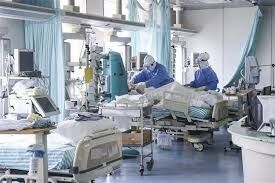
Recent reports have already highlighted the strain on critical-care infrastructure at the hospital. A report published earlier this year indicated that only around 60 ventilators were currently functional at the facility despite rising demand for intensive-care services. This has created significant pressure on doctors and families of patients requiring emergency respiratory support, particularly in critical cases where immediate access to ventilators can determine treatment outcomes. The issue raised in Parliament is therefore not an isolated concern but part of a broader pattern affecting public healthcare institutions in many large Indian cities. Government hospitals such as GMCH-32 play a dual role: they provide low-cost treatment to local residents while also serving as referral centres for patients from smaller towns and rural districts. This significantly increases patient load and puts pressure on medical equipment, staffing and maintenance systems.
Urban healthcare experts say the problem is increasingly tied to the way cities are growing. Chandigarh, though planned decades ago, now functions as a regional healthcare hub for several states. When population growth in surrounding regions outpaces healthcare investment, tertiary-care hospitals in larger cities end up absorbing the demand. This often results in shortages not only of beds but also of high-value medical equipment such as ventilators, imaging machines and specialised treatment devices. Past reports from the same hospital also suggest that equipment delays and maintenance issues are not uncommon. In recent years, there have been cases where critical machines such as radiotherapy and laparoscopy equipment remained non-functional or delayed due to procurement and installation challenges. These recurring issues highlight a larger governance challenge rather than a one-time technical problem.
The ventilator issue also comes at a time when the role of public healthcare infrastructure is being re-evaluated across India. The COVID-19 pandemic exposed how quickly demand for critical-care equipment can rise and how essential it is for cities to maintain reliable emergency medical systems. Hospitals like GMCH-32, which cater to a large catchment population, require not only new equipment but also long-term maintenance plans and trained technical staff. Urban planners say the debate is ultimately about infrastructure resilience. Just as cities invest heavily in roads, housing and transport systems, public health infrastructure must also expand in proportion to population growth. Reliable medical equipment is a critical component of urban resilience, especially in cities that function as regional healthcare centres.
For residents, the issue goes beyond policy discussions. It directly affects access to life-saving treatment, particularly for low-income families who rely heavily on public hospitals. The developments in Parliament are therefore likely to increase scrutiny of healthcare infrastructure planning in Chandigarh and other similar urban centres in the coming months. The key challenge now will be whether authorities can move beyond short-term fixes and address the structural gaps in equipment, staffing and long-term planning that continue to affect public hospitals across fast-growing cities.