Chandigarh Hospital Engineering Upgrade Strengthens Care Delivery
Chandigarh’s premier public healthcare institution has initiated a structured overhaul of its engineering systems, signalling a shift toward integrated infrastructure-led healthcare delivery. The latest PGIMER infrastructure upgrade focuses on strengthening hospital engineering capacity through leadership training, operational alignment, and system-wide planning—an approach increasingly seen as critical to improving patient outcomes in large public hospitals.
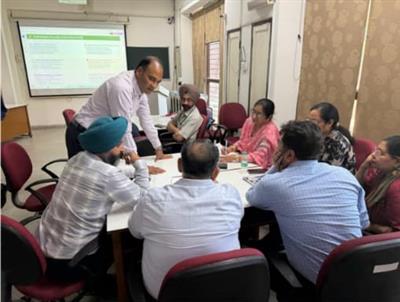
The initiative centres on a specialised training programme for engineering personnel, aimed at enhancing leadership, coordination, and technical decision-making within hospital systems. Officials indicate that the programme has resulted in the development of a consolidated framework outlining vision, mission, and strategic priorities for the engineering division—designed to guide long-term infrastructure planning and execution. At a functional level, the PGIMER infrastructure upgrade reflects a growing recognition that hospital engineering is central to healthcare delivery. Beyond construction, the department manages essential services such as electricity, water supply, air conditioning, waste systems, and medical equipment maintenance—critical components that directly influence patient safety and clinical efficiency. The renewed focus on capacity building also addresses a key gap in public health systems: the integration of technical and clinical functions. Senior officials emphasised that closer coordination between engineering and medical teams is necessary to ensure uninterrupted services, particularly in high-load institutions where infrastructure stress can impact treatment outcomes.
This shift comes amid rising demand on tertiary healthcare centres across India. With expanding patient volumes and increasing complexity of care, hospitals are required to operate as highly coordinated systems rather than standalone facilities. In such environments, delays in maintenance, equipment downtime, or infrastructure inefficiencies can have cascading effects on service delivery. The PGIMER infrastructure upgrade also aligns with broader national priorities around strengthening public healthcare systems under long-term development frameworks. By formalising strategic planning within engineering departments, institutions are attempting to move from reactive maintenance models to proactive infrastructure management—where risks are identified early and systems are optimised for performance and resilience. Urban health experts note that such interventions are particularly relevant in large institutional campuses like PGIMER, which function as micro-urban systems. Spread across hundreds of acres and supporting multiple specialised centres, these campuses require continuous coordination of utilities, mobility, and built infrastructure to sustain operations at scale. In recent years, the institute has also undertaken parallel infrastructure initiatives, including safety upgrades, environmental improvements, and expansion planning to accommodate growing patient inflow. These efforts indicate a broader institutional transition toward modern, efficient, and patient-centric healthcare environments.
From a policy perspective, the emphasis on engineering leadership highlights an evolving understanding of healthcare infrastructure—not merely as physical assets, but as dynamic systems that underpin service quality. Strengthening these systems is increasingly linked to outcomes such as reduced waiting times, improved safety standards, and enhanced patient experience. As public healthcare institutions across India scale up capacity, the PGIMER infrastructure upgrade offers a model for integrating technical expertise into core hospital governance. Its long-term impact will depend on how effectively these frameworks translate into measurable improvements in service reliability, operational efficiency, and patient care standards.