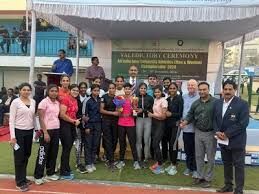
Chandigarh’s administration has honoured a new group of sportspersons in a recent felicitation ceremony, reinforcing the city’s growing focus on sports as a key pillar of urban social infrastructure. The recognition comes at a time when authorities are simultaneously reviewing sports facilities and expanding financial and institutional support for young athletes across the city.
Recent official programmes show that the administration has been steadily increasing incentives for players performing at national and international levels. In one of the largest such initiatives, scholarships worth more than ₹7 crore were distributed to over 1,600 sportspersons in 2025, alongside cash incentives for coaches. Urban planners say these recognition programmes are increasingly being treated not as symbolic events but as part of a broader strategy to strengthen youth-focused infrastructure. The city has been reviewing sports complexes, training facilities and related health infrastructure to improve long-term support systems for athletes. Officials have also inspected major sports complexes across sectors to assess whether they are equipped to support modern training requirements, including inclusive facilities for differently-abled athletes.
The recent felicitation ceremony fits into this wider shift. Cities across India are gradually recognising that sports infrastructure plays a significant role in building inclusive and resilient urban communities. Well-planned sports facilities help improve public health, encourage gender-neutral access to public spaces and create opportunities for young people from different socio-economic backgrounds. For a planned city like Chandigarh, which already has dedicated recreational and institutional spaces in its original urban design, strengthening sports infrastructure is now seen as the next stage of development. The timing is also significant from a policy perspective. Over the past few years, the administration has repeatedly honoured athletes after major sporting achievements, including medal winners at national competitions and international tournaments. Similar recognition events in the city have included scholarships, cash awards and dedicated training support, indicating a shift from occasional recognition towards a more structured support ecosystem.
Experts believe such programmes can have long-term social impact beyond sports itself. When cities invest in sports infrastructure and recognise local talent, participation levels typically increase at the grassroots level. This can help reduce social inequalities, encourage community participation and create healthier urban environments — outcomes that are increasingly becoming central to sustainable city planning. For Chandigarh, the larger challenge will be ensuring that recognition programmes are supported by consistent investment in infrastructure. Sports complexes, training centres and open public spaces will need continuous upgrades if the city wants to sustain its growing sporting ecosystem.
The recent felicitation therefore represents more than a ceremonial event. It signals how the city is positioning sports and youth development as part of a broader urban strategy — one that links social infrastructure, public health and inclusive growth. If the momentum continues, Chandigarh could gradually emerge not only as an education and healthcare hub but also as a strong regional centre for sports development in the coming years.