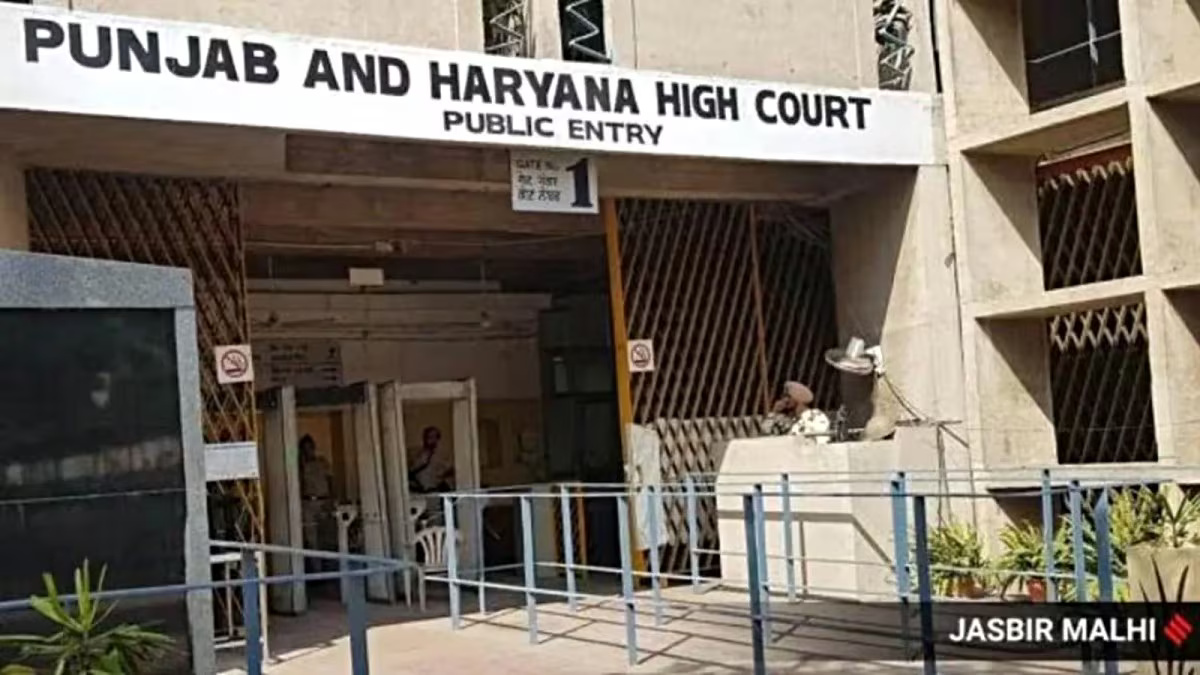
Chandigarh HC Expansion Faces Judicial Demand For Alternatives
CHANDIGARH — The Punjab and Haryana High Court has directed the Chandigarh Administration to prepare a contingency blueprint for the planned expansion of the High Court complex, reflecting heightened judicial concern over heritage safeguards and planning uncertainties associated with major civic infrastructure within the Capitol Complex.
In a hearing this week, a division bench pressed officials to present alternative approaches amid ongoing debate about the project’s environmental and heritage implications, suggesting that existing proposals may not be fully ready for smooth execution. The expansion — conceived to ease chronic space constraints within the current High Court facilities that handle thousands of litigants and lawyers daily — has already undergone multiple rounds of revision, heritage impact assessment and consultation with conservation bodies. Yet resistance from the local bar association and legal scrutiny of site suitability have introduced complexities that go beyond simple design tweaks. The administration’s counsel reiterated that assessments were aligned with “international norms,” and that roughly 40 acres in Sarangpur had been earmarked as a potential alternative site, though this has not gained consensus among stakeholders.
Urban planning specialists note that any expansion of judicial infrastructure within a city must balance functional needs with broader urban design constraints, particularly in a compact, planned city like Chandigarh. The Capitol Complex, conceived by celebrated modernist architect Le Corbusier, is inscribed as a UNESCO World Heritage Site, imposing stringent conditions on structural additions and alterations. These heritage protections often require detailed impact assessments and cross-agency clearances, lengthening project timelines and demanding clarity on alternatives before full approvals can be granted. Judicial insistence on a “Plan B” underscores this friction. Courts have increasingly signalled that major state projects near heritage precincts or in environmentally sensitive zones must integrate contingency frameworks to address potential planning bottlenecks — from compliance with conservation norms to shifting policy priorities and stakeholder objections. For Patna and other growing cities, the Chandigarh example offers a real-time lesson in how infrastructure growth intersects with legacy planning frameworks and civic accountability.
The proposed High Court expansion sits at the intersection of pressing institutional needs and long-term city shaping. On the one hand, enhanced judicial spaces — including additional courtrooms, chambers and ancillary services — are vital to reduce congestion, streamline case management and improve access to justice. On the other, the Capitol Complex’s heritage status and its centrality to Chandigarh’s urban identity necessitate meticulous design and procedural rigor. Urban designers highlight that inclusive expansion must preserve the character of structured civic spaces while accommodating functional modernisation. Equally, the debate reveals the administrative challenge of managing large capital projects that demand intergovernmental coordination, expert appraisal and transparent community engagement. Delays tied to heritage clearances and stakeholder concerns can inflate costs and deter developer confidence, but they also ensure that civic growth does not override cultural and environmental considerations.
As the administration readies its contingency plan, attention will likely turn to how revisions can simultaneously honour heritage commitments and deliver expanded judicial capacity. The outcome could shape future policy on civic asset expansion in high-value urban cores, setting precedents for balancing infrastructure imperatives with preservation and sustainable city design.