Chandigarh HC Development Plan Review Pushes Urban Upgrades
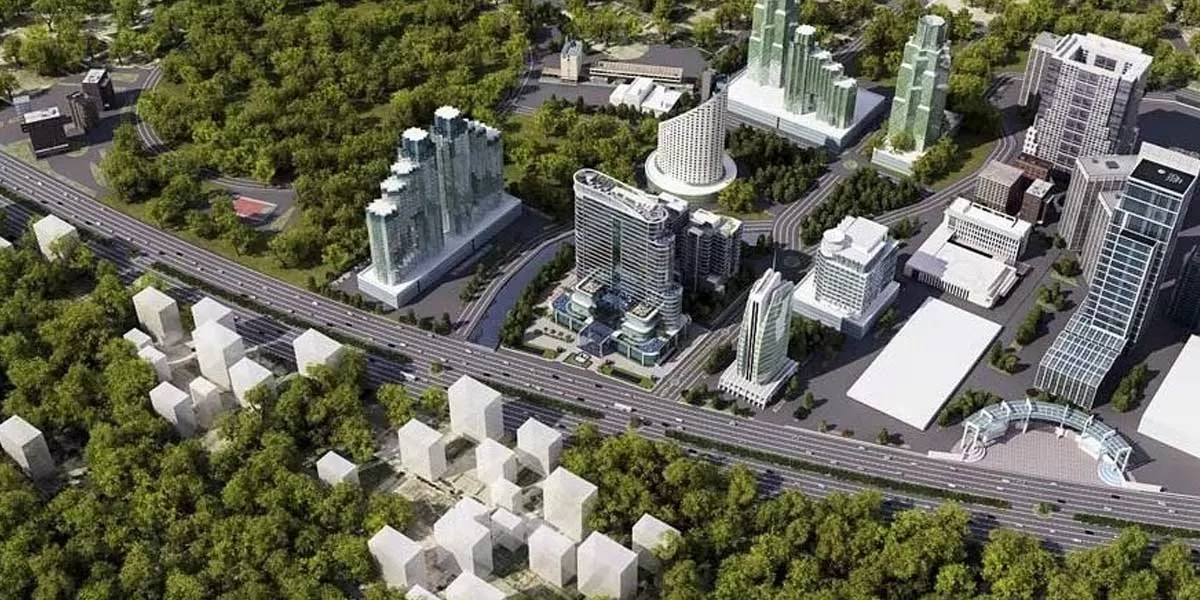
A fresh round of court-monitored proceedings on the expansion of the Punjab and Haryana High Court complex is drawing attention to the growing conflict between urban infrastructure needs and heritage protection in Chandigarh, one of India’s most carefully planned cities.
During the latest hearing, the Union Territory administration was asked to submit revised drawings related to the court complex’s development plan within a short timeframe, with the Bench emphasising the urgency of addressing long-standing space constraints. The case is part of a continuing legal process focused on modernising the High Court campus while preserving the architectural legacy of the Capitol Complex, which is protected under international heritage norms. The issue has been under scrutiny for several years, primarily because the High Court complex operates with fewer functional courtrooms than the sanctioned strength of judges. According to submissions placed before the court earlier this year, the shortage has begun to affect the institution’s ability to operate at full capacity, with administrative staff and case records being managed in cramped spaces.
Urban planners say the case reflects a larger challenge facing planned cities built around strict design principles. Chandigarh’s Capitol Complex, designed in the mid-20th century, is recognised globally for its architectural value, which means any structural addition requires detailed heritage impact assessment before construction can proceed. Officials recently informed the court that the assessment report is still being prepared and is expected to take more time because of the site’s protected status. At the same time, the pressure for expansion is growing rapidly. Daily footfall at the High Court complex includes thousands of lawyers, employees, and litigants, in addition to heavy vehicle movement. Earlier proposals for additional courtrooms, administrative blocks, and parking facilities have faced repeated delays due to objections linked to heritage rules and land-use restrictions.
Urban development experts say the case highlights how infrastructure in historic institutional districts must now balance accessibility with preservation. While additional buildings and parking spaces are essential for functioning courts, poorly planned expansion could undermine the city’s design identity and long-term sustainability. This is particularly relevant for Chandigarh, where planning decisions are closely tied to climate-responsive design, open spaces, and low-density development. The High Court’s continued monitoring of the project is therefore being seen not only as a judicial intervention but also as a signal of how governance in planned cities is evolving. Instead of allowing ad-hoc construction, institutions are increasingly being asked to justify infrastructure expansion through detailed technical and environmental assessments.
For the city, the next stage will depend on how quickly revised plans are submitted and whether they can satisfy both infrastructure needs and heritage safeguards. If the process succeeds, it could become a model for how older planned cities modernise essential public institutions without compromising their architectural identity or environmental resilience.