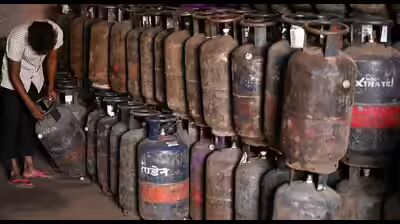
A decisive shift in urban energy systems is underway in Chandigarh, where authorities have issued a three-month deadline for households and residential societies to transition from liquefied petroleum gas (LPG) cylinders to piped natural gas (PNG). The directive is part of a broader national push to expand pipeline-based fuel infrastructure and reduce dependence on bottled gas in areas where network connectivity already exists.
The mandate, aligned with the Natural Gas and Petroleum Products Distribution Order, 2026, requires households to apply for PNG connections within 90 days of receiving notification. Failure to comply could result in discontinuation of LPG supply, provided piped gas access is technically feasible. To accelerate implementation, the policy introduces strict timelines for approvals. Residential societies must grant access for pipeline installation within three days, while household-level connection approvals are to be processed within 48 hours. A “deemed approval” mechanism has also been built in, ensuring that delays from local authorities do not stall infrastructure rollout. The transition reflects a structural shift in how cities manage energy distribution. PNG, delivered through underground pipelines, offers continuous supply and eliminates the logistical challenges associated with LPG cylinder delivery. Officials highlight that the system also reduces risks linked to storage and handling, while potentially lowering long-term costs for consumers. However, the Chandigarh PNG switch mandate is as much about supply-side pressures as it is about urban modernisation. India’s LPG ecosystem has faced volatility due to global supply disruptions, prompting policymakers to prioritise fuel diversification and optimise distribution.
By moving urban households with pipeline access to PNG, authorities aim to redirect LPG supplies to regions without such infrastructure. Despite pipeline networks already covering parts of the city, adoption has historically lagged. Estimates suggest that only a fraction of households currently use PNG, even in areas where infrastructure is available. This gap has prompted a more assertive policy approach, combining regulatory enforcement with outreach efforts such as registration camps and community engagement initiatives. Urban planners view the move as a critical step in transitioning towards cleaner, more efficient energy systems. Pipeline-based gas distribution reduces transportation emissions associated with cylinder logistics and aligns with low-carbon city frameworks. At the same time, the success of the transition will depend on last-mile execution, consumer awareness, and affordability. The policy also raises questions around equity and readiness. While planned sectors may adapt quickly, older or densely built neighbourhoods could face challenges in retrofitting infrastructure. Ensuring that the shift does not disproportionately impact vulnerable groups will be key to its long-term acceptance.
As Chandigarh moves towards a pipeline-based fuel ecosystem, the PNG transition could serve as a template for other Indian cities. The coming months will test whether regulatory urgency can translate into seamless adoption—balancing energy security, environmental goals, and citizen convenience within an evolving urban framework.