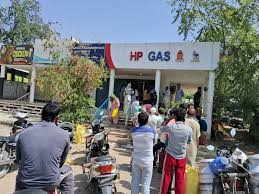
Chandigarh Gas Adulteration Exposes Urban Safety Gaps
Concerns over an expanding informal trade in liquefied petroleum gas (LPG) are raising fresh safety alarms in Chandigarh, as authorities grapple with reports of illegal refilling, diversion, and unauthorised storage of domestic cylinders. The issue, emerging despite assurances of adequate supply, points to systemic vulnerabilities in fuel distribution and enforcement mechanisms in urban areas.
Officials and market observers indicate that a parallel network has developed where subsidised domestic LPG cylinders are being diverted for commercial use or refilled through unsafe, makeshift operations. These practices not only distort supply chains but also significantly elevate the risk of fire hazards and explosions in densely populated neighbourhoods. The problem has been exacerbated by recent anxieties around fuel availability, even though oil marketing companies maintain that supply remains stable and sufficient. Authorities have repeatedly clarified that there is no actual shortage of LPG, cautioning consumers against panic-driven behaviours such as hoarding or engaging with unauthorised sellers.
However, enforcement agencies acknowledge that illegal activities persist. Past crackdowns across the region have uncovered widespread black marketing networks, with thousands of cylinders seized and multiple arrests made. These operations often involve the diversion of domestic LPG for commercial establishments, which are otherwise required to use higher-priced commercial cylinders. From an urban governance perspective, the Chandigarh LPG black market reflects deeper structural challenges. Distribution inefficiencies, information gaps, and behavioural responses such as panic buying can create artificial scarcity, encouraging profiteering and unsafe practices. Experts note that such informal systems often flourish in high-demand urban clusters where regulatory oversight struggles to keep pace with consumption patterns. The safety implications are particularly severe. Unregulated refilling and storage of LPG cylinders bypass standard safety protocols, increasing the likelihood of leaks, fires, and large-scale accidents. Previous incidents in northern India linked to illegal
LPG handling have underscored the potentially catastrophic consequences of such practices, especially in mixed-use urban areas where residential and commercial activities overlap. Authorities in Chandigarh have already invoked legal provisions to curb hoarding and black marketing, including stricter monitoring of supply chains and enforcement under essential commodities laws. Yet, experts argue that enforcement alone may not be sufficient without complementary measures such as digital tracking of cylinder distribution, stricter dealer accountability, and public awareness campaigns. The issue also intersects with broader urban energy transitions. As cities move towards cleaner and more regulated fuel systems—such as piped natural gas—ensuring the integrity of existing LPG networks remains critical to maintaining public safety and equitable access.
For Chandigarh, the immediate challenge lies in tightening oversight while restoring consumer confidence in formal supply channels. Over the longer term, addressing the root causes of the LPG black market will require a combination of regulatory reform, infrastructure upgrades, and behavioural change—ensuring that essential energy systems remain both safe and resilient in a rapidly evolving urban landscape.