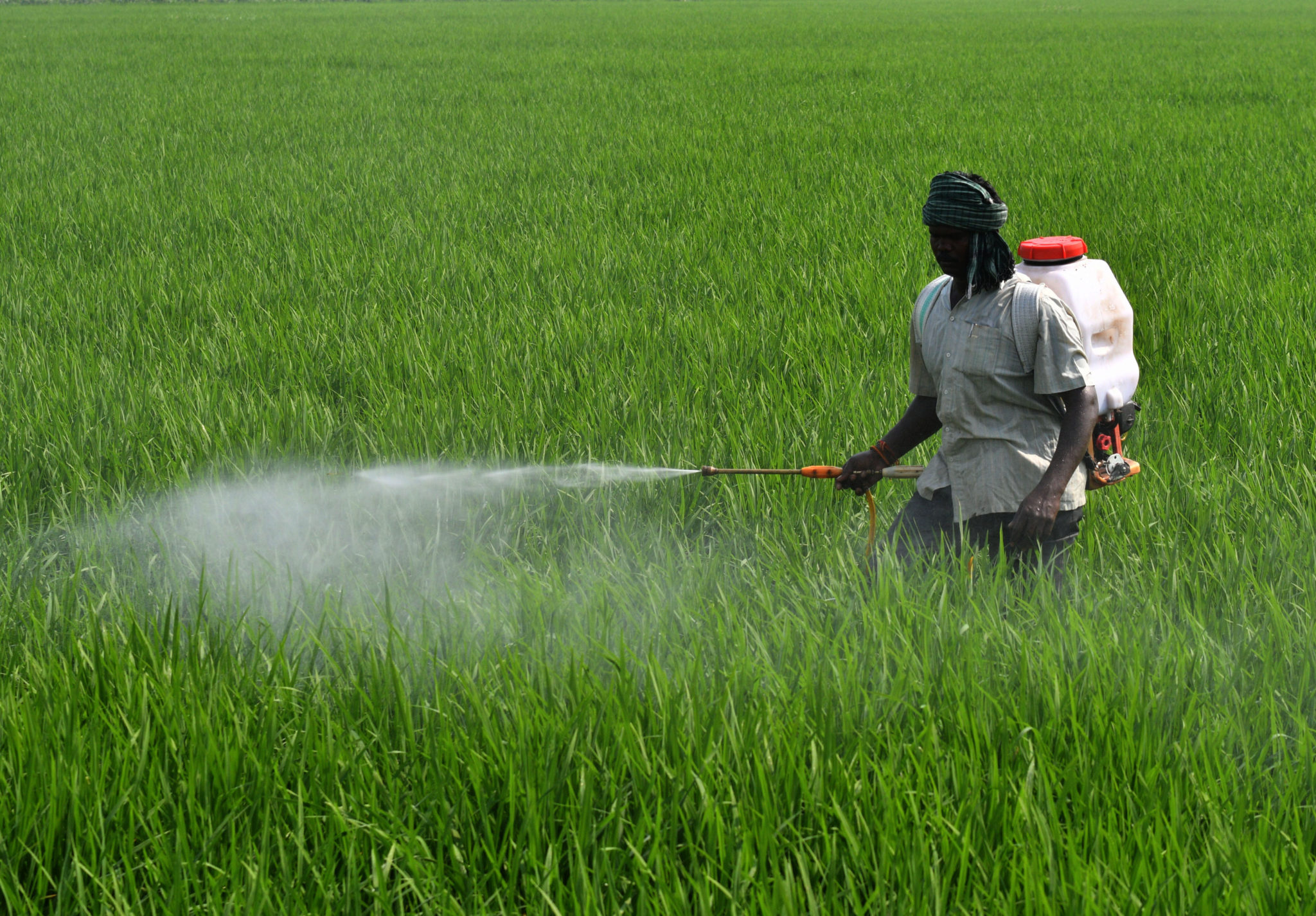
Farmers in Kathalapur mandal, near Jagtial, have demanded urgent water release from the Kaleshwaram lift irrigation project into the flood flow canal as rainfall delays threaten the ongoing cultivation season. On Tuesday, hundreds gathered in a large-scale demonstration, voicing concern over the lack of irrigation water essential for kharif farming. The protest blocked traffic at the Kathalapur bus stand, with farmers appealing to authorities to initiate reverse pumping from the Godavari river to prevent further crop losses.
The lack of monsoon rainfall in the region has already disrupted the agricultural calendar, leaving many farmers in a state of uncertainty. Without the expected inflows from natural precipitation, their hopes now rest on engineered water delivery from major irrigation systems. According to cultivators, paddy transplantation and other critical farming activities have stalled due to parched fields. The canal that once sustained seasonal agriculture remains dry, prompting fears of reduced yields and increasing economic strain on small and marginal landholders. The Kaleshwaram project, which utilises reverse pumping to move water from the Godavari, was expected to be a game-changer for Telangana’s irrigation needs. However, farmers claim that the infrastructure has not been fully leveraged this season.
Concerns are growing over inconsistent water governance, with residents stating that although such mega projects are operational, they often fail to deliver during crucial periods. Farmers from Kathalapur argue that timely water management, rather than large-scale engineering, could be the difference between survival and crop failure. Beyond agricultural challenges, this water scarcity also reflects broader systemic issues in rural resilience planning. Irrigation-dependent regions like Jagtial are especially vulnerable to monsoon variability, which has intensified due to climate change. Experts suggest that decentralised water storage, local rainwater harvesting, and equitable distribution from large irrigation systems must be prioritised. However, until such long-term solutions are realised, immediate interventions like controlled water releases from Kaleshwaram remain critical for farmers on the ground.
The farmers’ collective action underscores the urgency of aligning water infrastructure with ground-level agricultural realities. As the kharif season progresses, the absence of assured irrigation risks triggering a domino effect across food supply chains and rural livelihoods. While officials have yet to confirm a release timeline, pressure is mounting for responsive governance that prioritises timely support for cultivators. With climate uncertainty looming, proactive water management could define the success or failure of the season for thousands across the region.