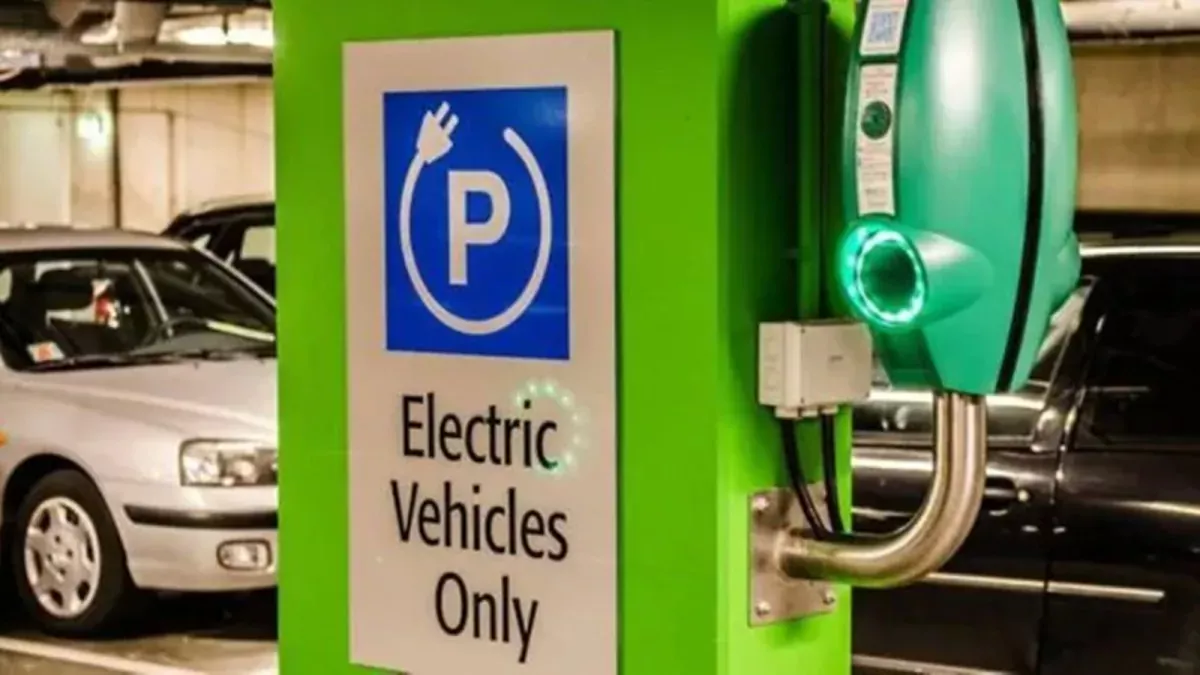
Chandigarh EV Charging Network Expands With Rising Demand
Chandigarh is preparing to significantly expand its electric vehicle (EV) charging network as rising registrations of electric cars reshape urban mobility demand and infrastructure priorities. City authorities have identified around 15 new locations for EV charging stations across high-footfall commercial and public areas.
If approved, this will increase the city’s network from 36 to 51 stations, marking a substantial capacity jump aimed at keeping pace with accelerating EV adoption. The expansion reflects a clear shift in consumer behaviour. For the first time, electric four-wheelers have begun outpacing two-wheelers in annual registrations in Chandigarh, signalling a transition towards higher-capacity, private electric mobility. This trend is placing new pressure on existing charging infrastructure, particularly in dense urban zones where access and turnaround time are critical. At present, Chandigarh’s EV ecosystem includes both public charging stations and battery swapping units, forming a hybrid infrastructure model. However, planners note that growing demand from electric cars—requiring longer charging durations and dedicated parking—necessitates a more robust and spatially distributed network.
The proposed sites have been selected following ground-level assessments, focusing on areas with high parking demand and strong commercial activity. This approach aims to integrate EV charging into everyday urban spaces rather than treating it as standalone infrastructure. Under the current model, the municipal authority provides land, while private operators invest in installation, operations, and maintenance—creating a public-private framework that reduces fiscal burden on the city. Financially, the model has already demonstrated viability. Existing charging stations have generated approximately ₹1 crore in annual revenue, with the municipal body earning a fixed share through land leasing. This revenue-backed approach is increasingly being seen as a scalable mechanism for expanding urban EV infrastructure without heavy public expenditure.
For urban planners, the expansion of the Chandigarh EV charging network is closely tied to broader sustainability goals. Electric mobility is a key lever in reducing urban emissions, and Chandigarh has already emerged as a leading city in EV adoption due to policy incentives, including subsidies and tax waivers. Over time, increased charging availability is expected to further accelerate this transition. However, the rollout is not without challenges. Approval processes, land-use constraints, and the need to align charging infrastructure with parking management systems remain critical hurdles. Experts also highlight the importance of ensuring equitable distribution of stations across residential and commercial zones to avoid infrastructure concentration in select areas. The initiative also aligns with national-level efforts to scale EV infrastructure through schemes such as FAME-II and emerging programmes aimed at expanding public charging networks.
As Tier 2 cities like Chandigarh take the lead, they are increasingly being viewed as testbeds for scalable, decentralised EV ecosystems. Looking ahead, the success of the Chandigarh EV charging network expansion will depend on timely approvals, efficient execution, and integration with renewable energy sources and smart grid systems. As EV adoption deepens, the city’s ability to match infrastructure growth with demand will be critical in sustaining its transition towards low-carbon, future-ready mobility.