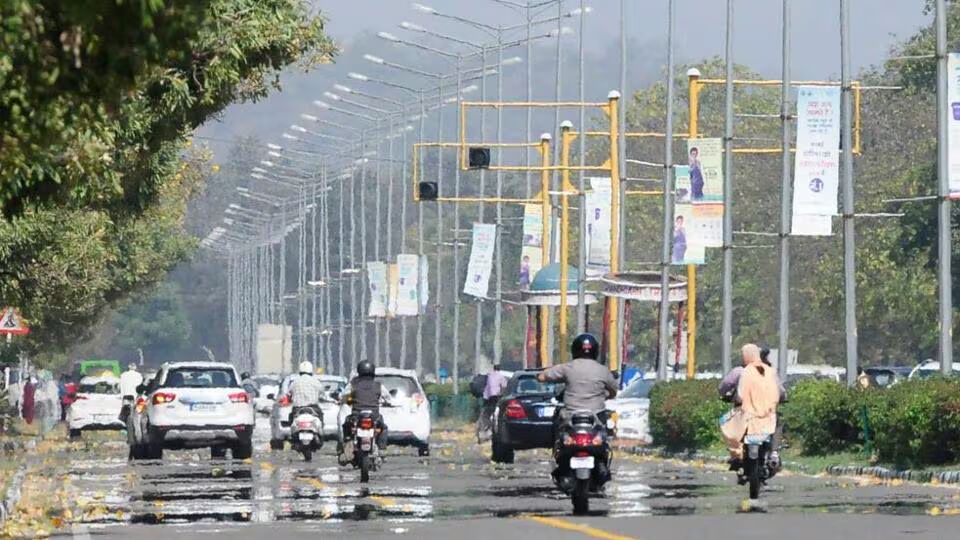
Chandigarh experienced an unusually hot start to March as daytime temperatures climbed to around 33°C, significantly above the seasonal average for this time of year. The early heat surge has raised concerns among urban planners and climate experts about how cities in northern India will cope with increasingly erratic weather patterns and rising summer temperatures.
Weather observations indicate that the temperature recorded in the first week of March is roughly 8°C higher than the normal maximum for the period, making it one of the warmest early-March readings in recent years. Meteorologists attribute the Chandigarh early heat to a combination of dry atmospheric conditions and the absence of western disturbances, which normally bring cloud cover and occasional rainfall to northwestern India during late winter. Without these weather systems, clear skies and dry air have allowed temperatures to rise more rapidly during the day.
The India Meteorological Department has also reported a broader regional warming trend across Punjab, Haryana and neighbouring hill states, where several locations have recorded temperatures several degrees above seasonal norms. The warm spell follows an unusually dry February across northwestern India, when rainfall levels fell sharply below long-term averages. In Punjab alone, precipitation during the month was almost 98% below normal, a pattern that has contributed to warmer ground conditions and higher daytime temperatures entering the spring season.
Urban climate specialists say such early spikes in temperature are becoming more common across Indian cities, particularly in rapidly urbanising regions where dense construction and limited green cover intensify the “urban heat island” effect. Hard surfaces like asphalt roads, concrete buildings and paved public spaces absorb and retain heat, making cities warmer than surrounding rural areas. For Chandigarh, a city historically known for its tree-lined avenues and planned green belts, the early heat is a reminder that even well-designed urban environments are not immune to broader climate shifts. Experts say rising spring temperatures could affect energy demand, water consumption and public health, particularly as summer approaches.
Higher temperatures in March can also have ripple effects across agriculture and regional ecosystems. Crops such as wheat, which are still in their growth phase during early spring in northern India, are sensitive to sudden heat spikes that accelerate maturation and reduce yield potential. Urban planners argue that cities will increasingly need to incorporate climate-responsive design strategies. Expanding tree cover, protecting water bodies, adopting reflective building materials and improving ventilation in dense neighbourhoods are among the measures that can help reduce heat accumulation.
Meteorological forecasts suggest temperatures in the region may continue to remain above normal for the coming weeks if dry conditions persist. For residents, the early arrival of summer-like heat may simply mean adjusting daily routines. For city administrators and planners, however, the Chandigarh early heat trend reinforces the growing need for climate-resilient urban infrastructure and heat-management strategies.