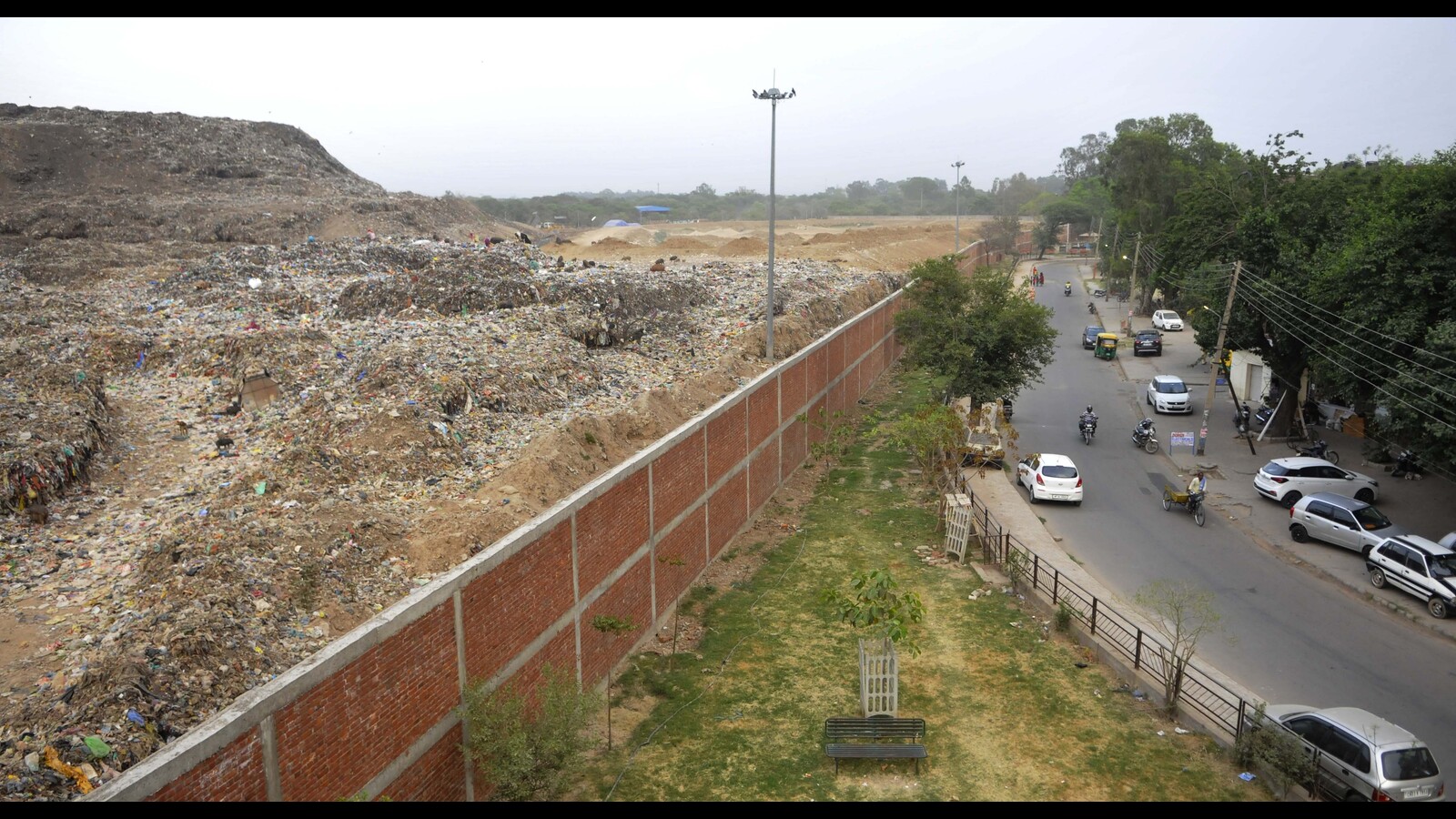
Chandigarh Dadumajra Restoration Project Gets Rs 285 Crore Support
The Union government has approved a ₹285 crore funding package for remediation works in the Dadumajra area of Chandigarh, signalling a coordinated push to address longstanding environmental and urban infrastructure challenges in one of the region’s rapidly urbanising sectors.
The allocation is part of a broader effort to restore degraded landscapes, enhance drainage and sanitation systems, and integrate ecological interventions with residential and commercial development planning. Dadumajra, a peri-urban locality characterised by a mix of high-density housing and emerging commercial corridors, has faced persistent issues tied to inadequate stormwater drainage, soil degradation and waterlogging during monsoon months. Urban stakeholders have noted that these conditions not only affect mobility and local livelihoods but also exacerbate health and sanitation stress in adjacent neighbourhoods. The newly sanctioned funds are expected to accelerate deep-seated remediation measures across critical infrastructure networks.
Under the approved plan, resources will be directed toward strengthening drainage channels, constructing retention and conveyance structures, stabilising embankments and rehabilitating degraded patches that act as choke points for runoff and sedimentation. Authorities have also indicated intentions to incorporate nature-based solutions, such as bio-swales and vegetative buffers, to enhance ground absorption capacity and reduce peak stormwater flows. These measures are designed to mitigate recurrent flooding and improve resilience in the face of increasingly erratic rainfall patterns. Urban planners point out that piecemeal interventions in peri-urban sectors often fail to address root causes of environmental stress when infrastructure systems are fragmented. The ₹285 crore infusion seeks to change that by adopting a systemic outlook that synchronises civic engineering works with broader land use and environmental management goals. By remediating infrastructure deficits and natural resource degradation together, the project could set precedents for integrated urban ecosystem maintenance in other fast-growing regions.
The funding approval also underscores the role of inter-governmental collaboration in tackling complex urban development problems. Leveraging central support to supplement local finances can bridge resource constraints faced by municipal bodies, enabling them to implement larger-scale works that might otherwise be delayed or downscaled due to budgetary limitations. Proponents argue that such collaborative mechanisms help align neighbourhood-level service delivery with state and national objectives around sustainable cities and climate resilience. Environmental scientists stress that initiatives like the Dadumajra remediation must be coupled with long-term monitoring and maintenance strategies. Without ongoing stewardship, gains from physical works can erode as new stressors — such as unplanned construction or clogged drains — reappear. Establishing community-centric monitoring frameworks and transparent data sharing between agencies can help ensure that infrastructure investments deliver enduring benefits.
For residents of Dadumajra and surrounding sectors, expectations are high that the project will improve not just drainage performance but also quality of life by reducing flood-related disruptions, curbing stagnation that attracts disease vectors and enhancing public spaces. Better stormwater control can also protect property values and support more predictable traffic flows during peak monsoon seasons. Nevertheless, the project’s success will depend on effective execution, including contractor management, adherence to engineering standards and coordination across utility networks. As implementation begins, civic authorities will need to communicate timelines and interim impacts to residents to manage expectations and ensure minimal disruption to daily life.
The central sanction of ₹285 crore for Dadumajra remediation thus represents both a significant investment in urban resilience and a test of how integrated planning can translate policy commitments into tangible improvements for communities navigating the complexities of peri-urban expansion.