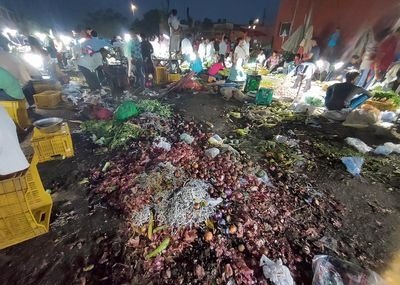
A new study examining Chandigarh’s Apni Mandis has raised fresh concerns about plastic waste and sanitation standards in one of the city’s most people-centric urban initiatives, highlighting how informal markets are struggling to keep pace with the demands of a growing urban population.
The report, based on surveys across multiple weekly mandis in the Union Territory, found that plastic packaging, inadequate waste-collection systems, and a lack of basic sanitation facilities remain persistent challenges. The study reportedly covered hundreds of vendors, customers, and nearby households and pointed to a widespread dependence on single-use plastic due to affordability and limited access to eco-friendly alternatives. Urban planners say the findings are significant because Apni Mandis were originally designed to make cities more inclusive by allowing farmers to sell directly to urban residents. However, as the number of weekly markets expanded across sectors, civic infrastructure such as mobile toilets, waste-segregation systems, and organised vending layouts has not always kept pace with rising footfall. The city’s own master plan has already acknowledged the need to better organise weekly mandis with proper sanitation, parking, and waste-treatment arrangements to avoid unhealthy environments.
The waste problem also reflects a broader regional challenge. Official data presented in Parliament earlier indicated that Punjab generates thousands of tonnes of solid waste every day, with a significant portion still untreated. Environmental experts say temporary markets and informal vending zones often add to the waste burden because they lack dedicated collection systems and rely heavily on disposable packaging. Beyond plastic waste, the study also highlighted poor sanitation infrastructure, including limited access to clean water and temporary toilets in several mandi locations. Earlier academic research on similar agricultural markets in north India has pointed to similar issues, noting that lack of drinking water, shade, and sanitation facilities often reduces both vendor productivity and public hygiene.
For a city such as Chandigarh, which is often regarded as one of India’s best-planned urban centres, the findings raise larger questions about how temporary and informal economic spaces are managed. Urban experts say weekly markets are essential for inclusive urban development because they provide affordable food to residents while supporting small farmers and informal vendors. However, without proper waste-management systems, these markets can quickly become environmental pressure points. The issue also ties into the broader push for sustainable urban development. Cities across India are now being asked to reduce single-use plastic, improve waste segregation, and strengthen sanitation infrastructure as part of national sustainability targets. The Apni Mandis study suggests that these goals will be difficult to achieve unless informal marketplaces are included in urban-planning frameworks rather than treated as temporary arrangements.
The next step is likely to involve coordination between the municipal corporation, agricultural marketing authorities, and vendor groups to improve waste collection and promote eco-friendly packaging. If implemented effectively, the reforms could help the Apni Mandis remain both affordable and environmentally responsible — an important balance for cities trying to grow without increasing environmental pressure.