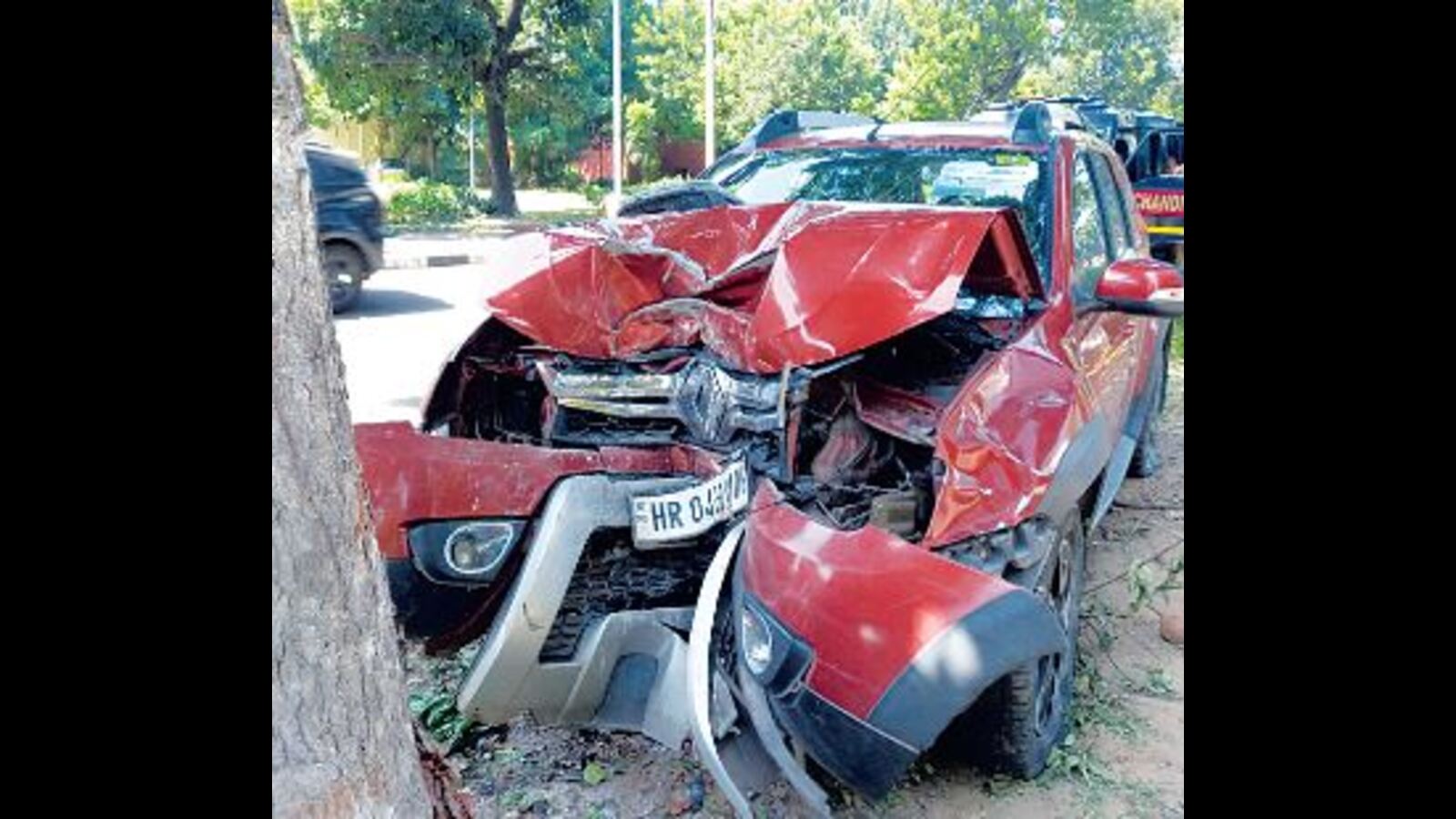
Chandigarh Accident Ruling Underscores Social Cost Of Road Crashes
A recent High Court ruling significantly enhancing compensation for a road accident survivor has brought renewed focus on how Indian cities account for the long-term human and economic costs of traffic injuries. The court increased compensation to over ₹3.6 crore for a survivor left in a permanent vegetative state following a crash more than a decade ago, recognising the need for lifelong medical care and support.
The case stems from a 2011 road accident involving a minor who sustained severe brain injuries, resulting in 100% disability and permanent dependence on assisted care. The revised compensation replaces an earlier award that was deemed insufficient to meet long-term needs, particularly in covering continuous medical treatment, caregiving, and loss of life opportunities. Legal experts note that the judgment reflects a broader evolution in how courts assess compensation—not merely as immediate relief, but as a mechanism to account for lifelong care, dignity, and quality of life. By incorporating future medical expenses, attendant care, and non-economic losses such as pain and loss of amenities, the ruling sets a higher benchmark for what constitutes “just compensation” in accident cases. For urban policymakers, the implications extend beyond the courtroom. Road accidents continue to impose a significant burden on India’s urban systems, affecting healthcare infrastructure, household finances, and workforce participation. Survivors with severe disabilities often require sustained institutional and family support, placing long-term pressure on both public services and informal care networks.
Urban transport specialists argue that such rulings highlight the hidden costs of inadequate road safety infrastructure. Poorly designed roads, weak enforcement, and mixed traffic conditions contribute to high accident rates, particularly in rapidly growing urban corridors. When compensation awards rise, they indirectly signal the economic consequences of failing to invest in safer mobility systems. The case also underscores gaps in insurance frameworks and claims assessment processes. Initial compensation awards are often based on limited projections of medical costs, which may not fully account for lifelong dependency. Courts are increasingly stepping in to correct these gaps, recalibrating compensation to reflect real-world care requirements and inflationary pressures. From a socio-economic perspective, the ruling reinforces the need for integrated urban planning that prioritises safety alongside mobility. Investments in pedestrian infrastructure, traffic calming measures, and stricter enforcement mechanisms can reduce the incidence of severe accidents. At the same time, strengthening emergency response systems and rehabilitation services can improve outcomes for survivors.
The judgment also brings attention to the importance of inclusive urban systems. Survivors of catastrophic injuries often face barriers to accessing healthcare, mobility, and social participation. Cities that invest in accessible infrastructure and long-term care support are better positioned to address these challenges. As Indian cities continue to expand and motorisation increases, the financial and human costs of road accidents are likely to grow. The High Court’s decision serves as a reminder that compensation is not just a legal obligation but a reflection of how societies value life, safety, and dignity. Going forward, aligning urban transport planning with safety-first principles may be the most effective way to reduce both the human toll and the escalating economic liabilities associated with road accidents.