


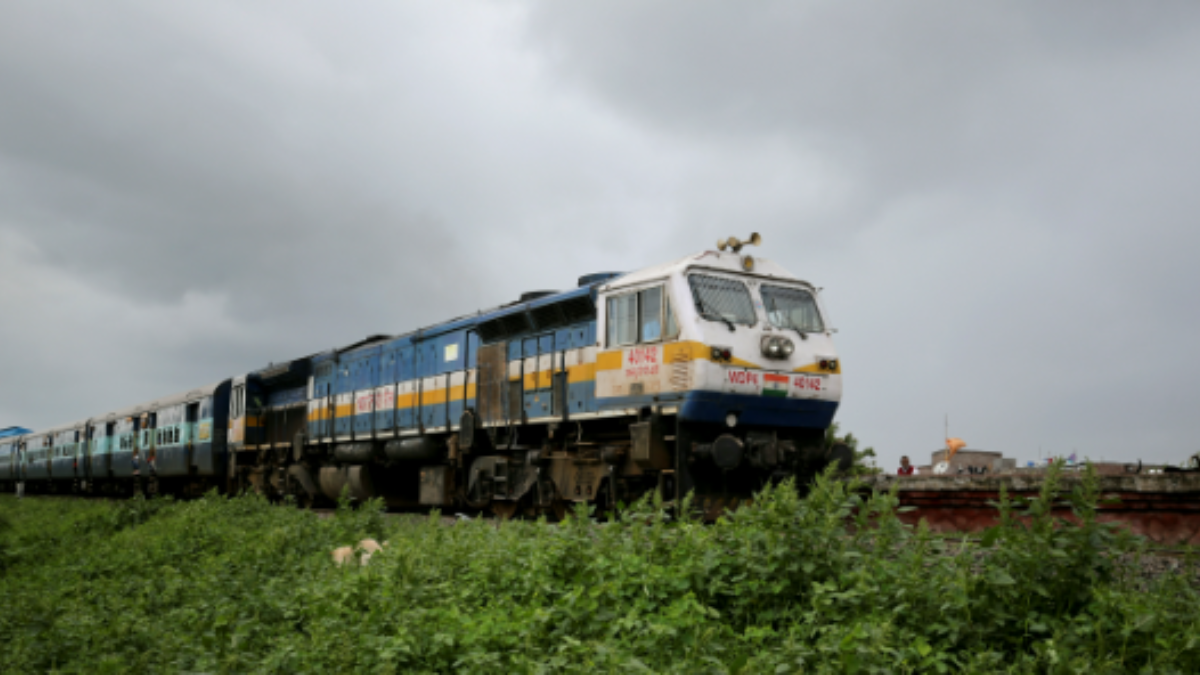
The Chakradharpur railway division is undergoing extensive track maintenance and technical upgrades throughout August and into early September, leading to the cancellation and short-termination of numerous train services. This disruption, while causing temporary inconvenience to passengers, is a necessary investment in the long-term sustainability and reliability of India’s rail network. These strategic infrastructure enhancements are critical for a seamless, safe, and eco-friendly public transportation system, a cornerstone of developing zero-net-carbon and equitable cities.
The series of planned cancellations, primarily impacting routes through the Chakradharpur division, represents a focused effort to modernise a crucial artery of the country’s transportation grid. From August 18, 2025, to September 12, 2025, several express and MEMU services, including the Hatia–Jharsuguda–Hatia MEMU Express and the Visakhapatnam–Banaras Express, will be halted. These scheduled interruptions are not random but are part of a broader, systemic drive by officials to reinforce the railway infrastructure, ensuring it can handle increased traffic and higher safety standards in the future.
The cancellations, though burdensome for daily commuters and travellers, underscore a pivotal shift towards prioritizing infrastructural health over uninterrupted service in the short term. A reliable railway network is fundamental to the vision of a sustainable urban landscape. Railways are inherently more energy-efficient and produce significantly lower carbon emissions per passenger kilometre than road transport. By undertaking these comprehensive upgrades, officials are laying the groundwork for a more robust network that will serve a larger population with a lower ecological footprint, directly contributing to India’s ambitious climate goals. This aligns with the national transporter’s broader commitment to achieve net-zero carbon emissions by 2030, a goal supported by initiatives like widespread electrification and the adoption of renewable energy sources.
The disruption is not limited to full cancellations. Several services, such as the Gorakhpur–Sambalpur Express, will be short-terminated at Hatia station on specific dates. This measure is an administrative step to mitigate the impact of the maintenance work, allowing a portion of the journey to continue while the affected track section is under repair. Officials have advised the public to check train statuses before commencing their journey to avoid last-minute travel plan complications.
In the long run, these maintenance blocks are vital for public safety and operational efficiency. Upgraded tracks, signaling systems, and technical infrastructure mean fewer unscheduled delays, a lower risk of accidents, and smoother journeys for everyone. The temporary inconvenience is a necessary precursor to a more reliable, sustainable, and equitable transportation network that will benefit millions of citizens for decades to come, moving India closer to its vision of modern, green cities.
Also Read :Delhi Flags Off Sitamarhi–Delhi Amrit Bharat Express Today, Runs Weekly With Key Stops
