


The Union Ministry of Environment, Forest and Climate Change (MoEFCC) has introduced draft regulations that could streamline environmental approvals for standalone cement grinding units without captive power plants. If finalised, these rules are likely to facilitate the establishment of a Rs 1,400-crore, 6-million-tonne-per-annum (MMTPA) cement grinding facility in Kalyan, within the Mumbai Metropolitan Region, belonging to an Adani Group subsidiary.
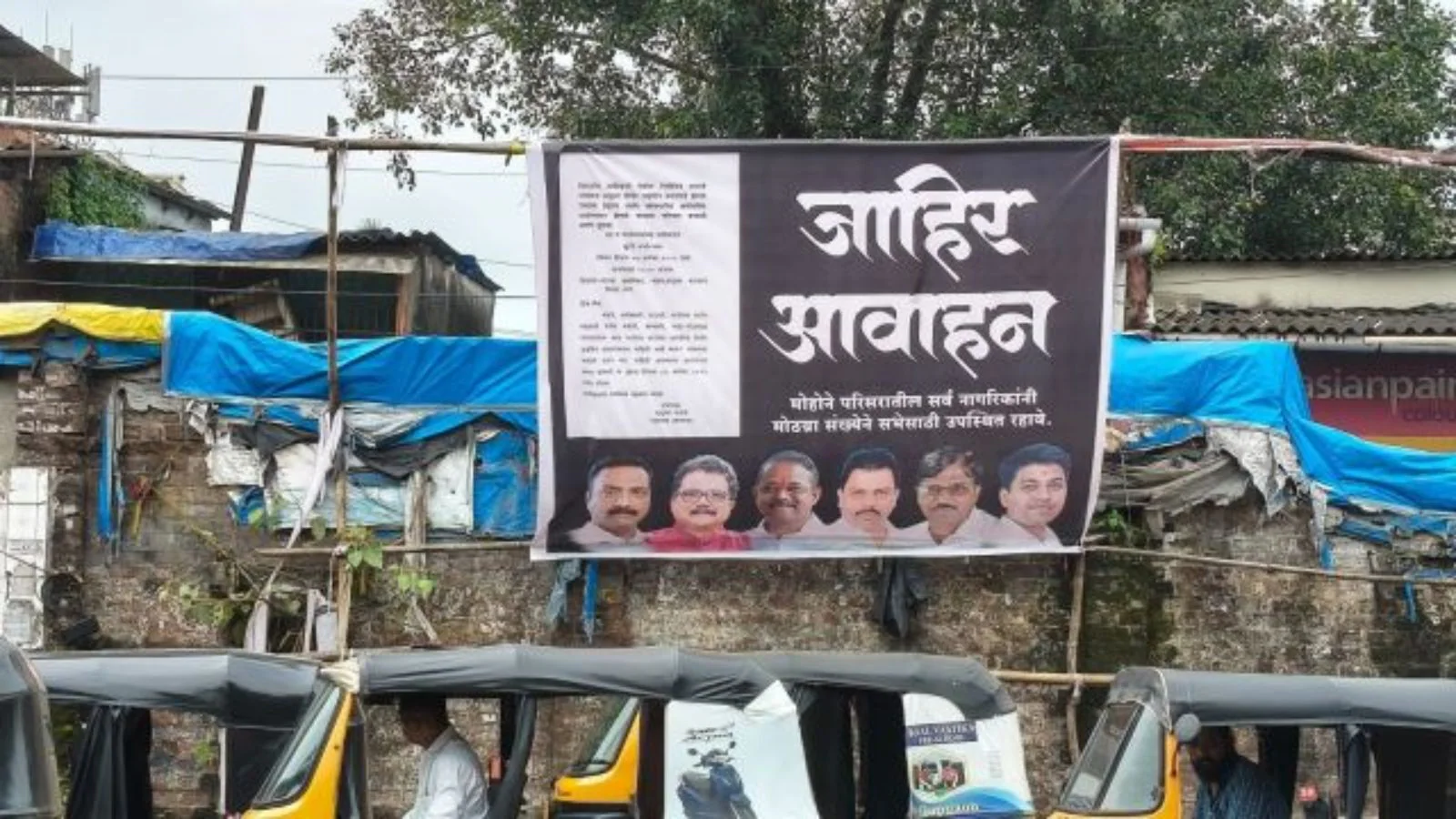
Under the proposed framework, standalone grinding units would no longer require prior environmental clearance (EC) or detailed public consultation and Environment Impact Assessment (EIA) reports, owing to their comparatively lower pollution potential. Officials argue that such units avoid high-temperature processes like calcination and clinkerisation, thereby reducing carbon emissions, energy consumption, and industrial waste. Transportation of raw materials and finished cement via railways or electric vehicles is also expected to further mitigate environmental impact. Local opposition, however, remains strong. Residents in Mohone village and ten neighbouring areas have expressed concerns over dust, sulphur dioxide, nitrogen oxide, carbon monoxide emissions, and potential health risks from the plant. A public hearing conducted by the Maharashtra Pollution Control Board (MPCB) highlighted the community’s apprehensions about situating a cement facility in a densely populated region.
“The draft rules propose that standalone units with rail or e-vehicle logistics can be exempted from EC, aiming to encourage green logistics and environmental governance,” officials stated. The proposal now allows a 60-day period for objections and comments from citizens, after which the MoEFCC will take a final decision. The project is slated for a 26.13-hectare site, with 9.67 hectares earmarked for a green belt and 5.49 hectares for the grinding plant, storage, and packing infrastructure. Located adjacent to Ambivli Railway Station, the site will leverage rail transport for raw materials, aligning with the draft notification’s green logistics stipulations. The facility forms part of a broader trend where industrial projects are being assessed on operational emissions rather than overall size alone, aiming to balance economic development with environmental sustainability. Experts note that while the proposed rules could accelerate industrial investment, active community engagement and strict monitoring will remain critical to ensuring that pollution levels remain within safe limits in urban and semi-urban areas.
The Adani Group acquired the former National Rayon Company (NRC) property in 2020, which spans 450 acres and previously hosted a textile manufacturing facility. Plans for the new cement plant include installing 2×3 MMTPA grinding units, with modern systems designed to minimise dust and emissions. As Mumbai and its surrounding regions continue to urbanise, regulatory frameworks are evolving to allow sustainable industrial growth while addressing environmental and social concerns. How authorities balance efficiency with citizen safety and ecological preservation will remain a key test for the city’s sustainable development agenda.
Also Read: India and Bhutan To Build First Cross Border Railway Lines Boost Trade
