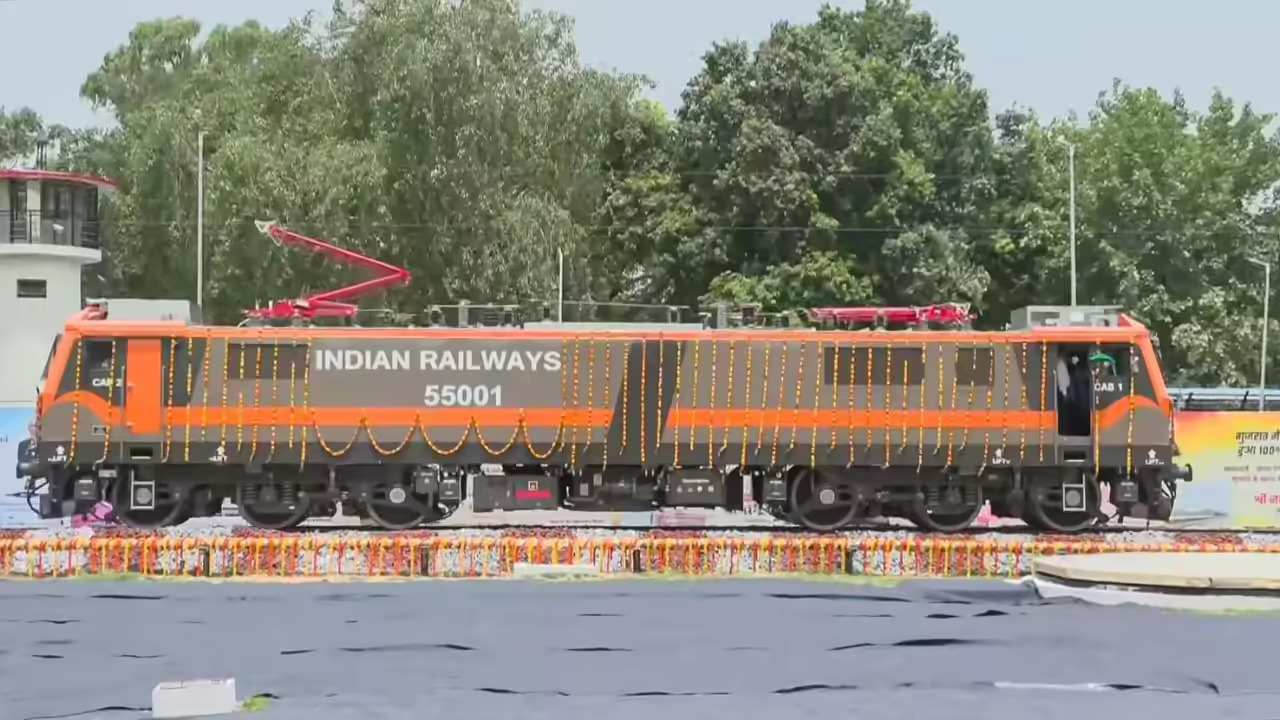
Centre Approves Rs 12,328 Cr Rail Push Across 5 States and Adds 565 km
The government has set the stage for a transformative shift in the nation’s logistics and transport infrastructure, approving a substantial investment of over ₹12,000 crore. This strategic move, which encompasses four significant railway projects spanning five states, signals a robust commitment to enhancing connectivity and fostering sustainable development. The initiative aims to augment the rail network by 565 kilometres, propelling economic growth and dramatically reducing the carbon footprint associated with goods and passenger movement. It is a calculated push towards a more equitable and environmentally conscious urban and rural landscape.
At the core of this ambitious agenda lies a multi-pronged approach that targets both new-age connectivity and existing network augmentation. Key projects include the establishment of a new rail line in the Kutch region, a vital link for the state of Gujarat. This new line, a testament to the nation’s engineering prowess, is not merely a transport corridor but a lifeline designed to connect far-flung areas and bolster local economies. Simultaneously, critical multi-tracking works are set to commence in Karnataka, Telangana, Bihar, and Assam. These projects, including the third and fourth lines between Secunderabad and Wadi and the doubling of the Furkating-New Tinsukia line, are poised to alleviate chronic congestion and streamline the flow of both freight and passengers.
The financial allocation of ₹12,328 crore underscores the government’s resolve to invest in a green and resilient infrastructure. According to official estimates, this expansion is projected to generate an astounding 251 lakh human-days of direct employment during the construction phase. This provides a significant socio-economic uplift, particularly in the regions where these projects are concentrated. The focus is squarely on creating a robust logistical backbone that minimises reliance on fossil fuels, with projections indicating a substantial reduction in oil imports and a decrease in carbon emissions equivalent to planting millions of trees. Experts suggest that such infrastructural investments are crucial for India to meet its climate pledges and transition towards a net-zero carbon future.
Furthermore, the new projects are a testament to integrated planning, a core tenet of the PM-Gati Shakti National Master Plan. This approach ensures that a single infrastructure project serves multiple strategic objectives, from reducing logistics costs for industries to enhancing passenger convenience and promoting tourism. The new Gujarat line, for instance, will connect historical and spiritual sites, thereby creating new avenues for cultural exchange and economic activity. The capacity augmentation across the other states will facilitate the seamless transportation of essential commodities such as steel, cement, and fertilisers, strengthening supply chains and stabilising markets. By enhancing freight traffic capacity by 68 million tonnes annually, the railways are poised to become a central pillar of India’s economic machinery, driving efficiency and sustainability in unison.
The completion of these railway projects is a significant step towards creating more connected and inclusive cities and towns. The planned infrastructure will not only bridge geographical distances but also act as a catalyst for equitable development, bringing remote communities into the national economic fold. It is a clear and compelling narrative of progress, where strategic foresight and sustainable goals are inextricably linked to human well-being and a cleaner environment for generations to come.