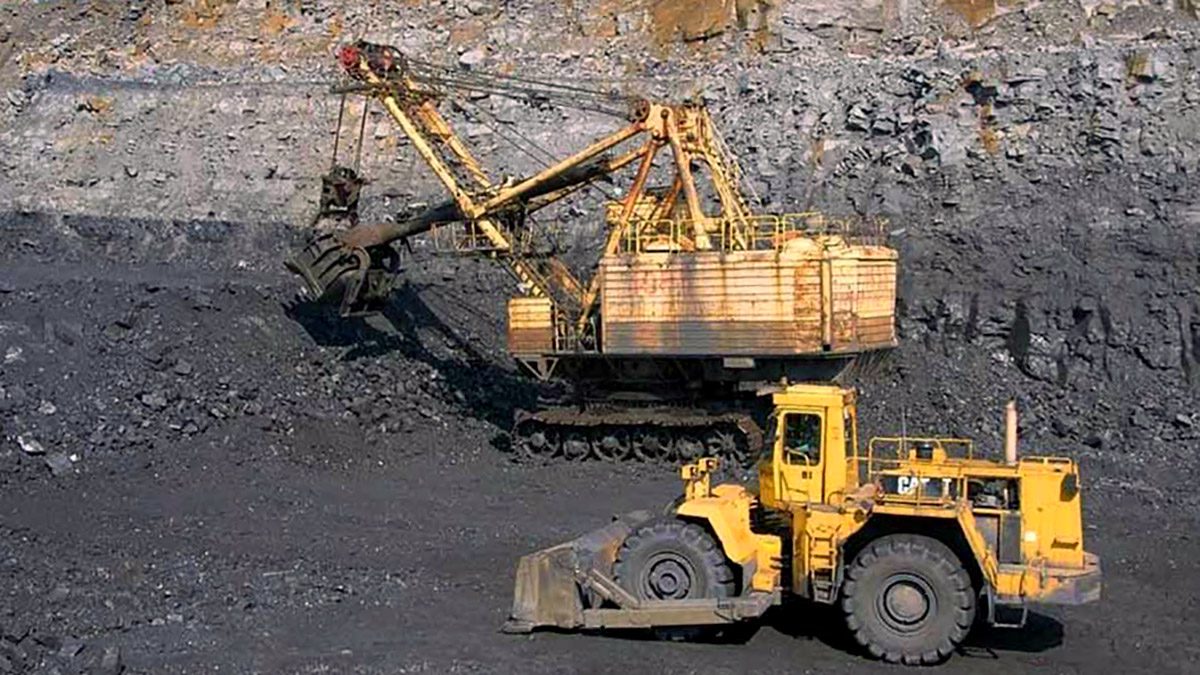
A central government technical team has concluded an extensive field study at Singareni Collieries Company Limited (SCCL) sites in Telangana, initiating a comprehensive examination of six core aspects of the state-owned coal miner’s operations at a time of heightened scrutiny over governance, tendering and financial practices. The probe underscores deepening concerns over transparency and institutional oversight in one of India’s oldest public sector coal producers — with implications for energy supply chains, regional employment and resource governance.
SCCL, jointly owned by the Government of Telangana (51 per cent) and the Union Government (49 per cent), has come under the spotlight amid allegations of procedural lapses in mining contract awards and community fund utilisation. The two-member central panel — mandated to investigate tender processes, contractual arrangements and regulatory compliance — wrapped up its on-site assessment and is expected to deliver a detailed report to authorities within days.At the heart of the enquiry are tendering practices surrounding the Naini coal block and related contracts, including the process for appointing Mine Developer and Operator (MDO) partners. Political stakeholders have urged for an independent investigation, with some national and regional political groups advocating for a probe by a central agency or judicial authority to address alleged irregularities comprehensively.
The current scrutiny is compounded by concerns about the longstanding lapse of a tripartite governance agreement between the Centre, the state government and SCCL. That accord — last renewed in 2017 — traditionally provided a framework for strategic decisions, approvals of large capital projects and clarity on statutory obligations. Its absence since 2022 has raised questions among urban planners and resource governance experts about clear lines of accountability and coordination in managing a public sector mining entity vital to local economies.Industry analysts note that public sector miners such as SCCL play a crucial role in energy and industrial supply chains, particularly for regions dependent on steady coal deliveries for power generation and associated industries. Any disruption or reputational risk at SCCL not only affects energy security but also has a ripple effect on infrastructure timelines, construction cost certainty and labour markets in coal belt districts.
Beyond governance, civil society and worker groups have drawn attention to broader concerns including CSR (corporate social responsibility) fund utilisation and equitable distribution of benefits in mining communities. While SCCL traditionally allocates CSR funds for schools, healthcare and water-security projects in rural coal belt areas, questions over compliance with guidelines have emerged, adding pressure on both management and government oversight mechanisms.Urban and regional planners stress that robust governance in public sector resource companies is not merely a matter of corporate housekeeping, but central to inclusive regional development. Transparent contract awards, timely renewal of governance agreements and clear accountability lines help ensure that infrastructure project costs remain predictable and that local communities benefit equitably from resource wealth.
The central panel’s forthcoming recommendations are expected to shape policy responses, including potential governance reforms, contractual standardisation and renewed institutional arrangements. For Telangana’s mining communities and urbanising regions alike, these decisions will be pivotal in ensuring that SCCL’s future contributions — from energy inputs to local employment — align with equitable and sustainable development goals.