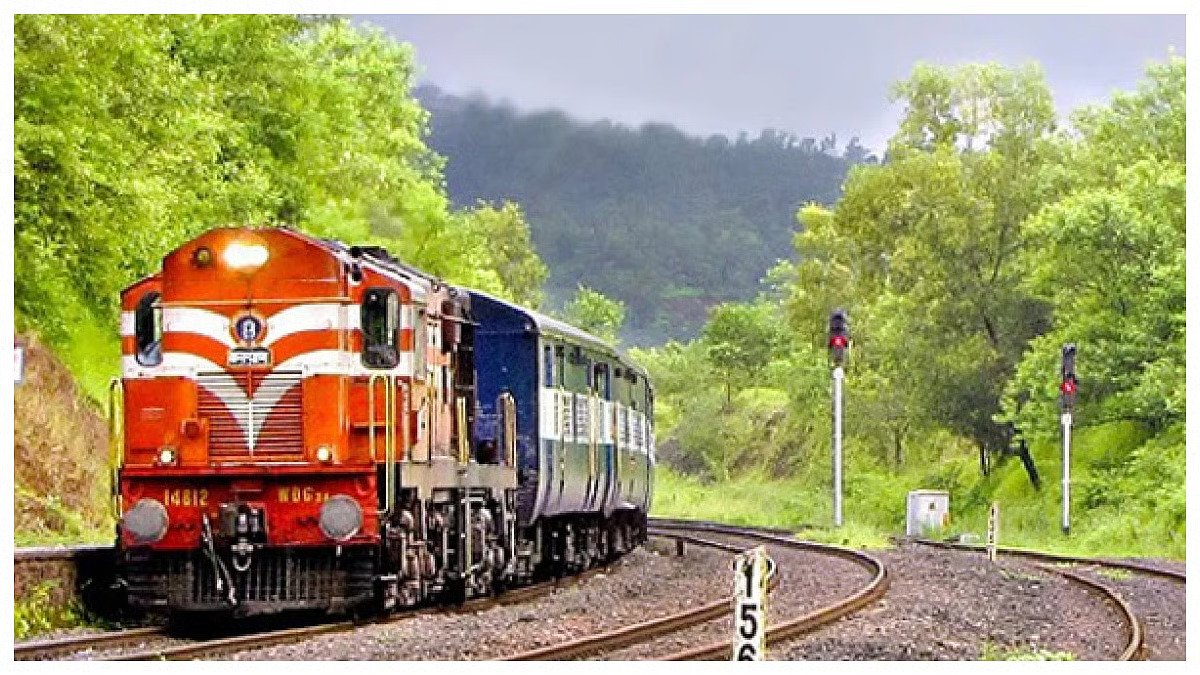
Mumbai’s suburban and long-distance rail integration remains under strain, as railway authorities have confirmed that the Dadar–Ratnagiri passenger service will continue to originate from Diva for the foreseeable future. The decision highlights ongoing capacity constraints on the city’s central corridor and underscores the trade-offs between suburban frequency and regional connectivity.
Railway officials indicate that the earlier shift of the service away from Dadar was driven by operational challenges linked to track congestion between Kurla and Chhatrapati Shivaji Maharaj Terminus. Routing the train from a busy suburban node required multiple local services to be held back, affecting peak-hour schedules across one of Mumbai’s most heavily used rail stretches. By relocating the origin point to Diva, authorities have prioritised smoother suburban operations, allowing for additional local and long-distance train slots. This adjustment, according to officials, has improved timetable reliability and reduced cascading delays across the network.
However, the move has also sparked concerns among passengers travelling to the Konkan region. Commuter groups argue that the relocation has reduced accessibility for those who previously relied on Dadar as a central boarding point. The absence of a direct alternative within the island city has increased travel time and complexity, particularly for elderly passengers and those carrying luggage. Transport planners note that the issue reflects a broader structural challenge in Mumbai’s rail system—balancing the needs of high-frequency suburban services with intercity connectivity. With limited track capacity in core sections, any additional service often comes at the cost of operational flexibility elsewhere.
The long-term solution, officials suggest, lies in expanding rail infrastructure. Work on additional lines between Kurla and the city’s main terminus is expected to ease congestion and create capacity for reintroducing services at key nodes such as Dadar. Until then, operational adjustments like the Diva-origin arrangement are likely to continue. Urban mobility experts emphasise that such decisions have wider economic implications. Rail connectivity between Mumbai and the Konkan belt supports not only passenger movement but also regional tourism, small-scale trade, and labour mobility. Ensuring convenient access points within the city is therefore critical for maintaining these linkages.
From a sustainability perspective, maintaining efficient rail operations is essential to reducing dependence on road-based travel for intercity journeys. However, accessibility remains a key factor in encouraging passengers to opt for rail over private transport. The current arrangement highlights the need for integrated planning that aligns infrastructure expansion with service design. As Mumbai’s rail network continues to evolve, resolving capacity bottlenecks will be central to delivering both high-frequency urban mobility and equitable regional connectivity.
Central Railway Keeps Dadar Ratnagiri Train Origin At Diva Until Expansion