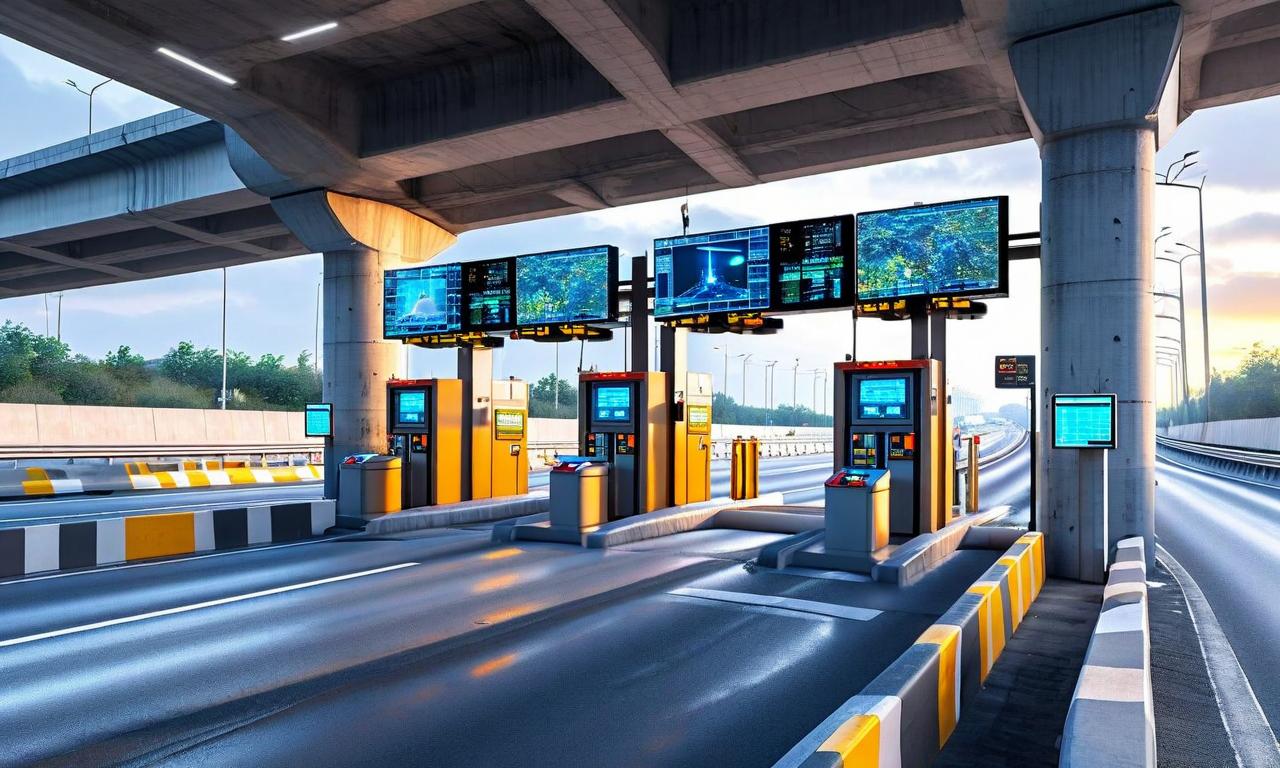
Ceinsys Tech Limited has received extended timelines on multiple public infrastructure assignments, reflecting both the growing reliance on digital systems in large projects and the execution challenges facing complex urban and regional infrastructure programmes. The revised schedules cover a major transport corridor in Maharashtra and large-scale water infrastructure initiatives in Uttar Pradesh, together representing over ₹119 crore in active public-sector work.
In Maharashtra, the company’s digital project management mandate for the Mumbai–Pune Expressway Missing Link has been granted additional time until the end of March 2026. The assignment involves deploying advanced digital oversight tools for one of the state’s most critical road infrastructure upgrades, aimed at improving safety and reducing congestion on a high-risk ghat section that frequently disrupts inter-city mobility. The scope of work extends beyond conventional monitoring. It includes the integration of five-dimensional building information modelling, enterprise resource planning platforms, geographic information systems, and an owner’s support office to enable real-time coordination across agencies. Urban infrastructure specialists say such digital layers are increasingly seen as essential to managing cost overruns, construction risks, and environmental compliance in large linear projects.
According to officials familiar with the project, the extension reflects the technical and coordination-intensive nature of deploying digital governance systems alongside ongoing civil works. Rather than indicating delays in execution alone, the revised timeline underscores the shift from asset delivery to lifecycle-based infrastructure management—where data, transparency, and inter-agency visibility are becoming as critical as physical construction. Separately, Ceinsys Tech has also received extended completion windows for water infrastructure projects in Uttar Pradesh, with revised end dates stretching into 2026 and 2027. These projects are part of broader efforts to modernise water supply networks and monitoring systems across urban and semi-urban regions, where climate stress and population growth are placing sustained pressure on existing resources.
Water sector analysts note that digital mapping, asset tracking, and decision-support systems are now central to ensuring equitable distribution and reducing non-revenue water. However, implementation often faces ground-level challenges, including legacy infrastructure integration, local capacity gaps, and evolving regulatory requirements—factors that frequently necessitate timeline recalibration. From a policy perspective, the extensions highlight a larger transition underway in India’s infrastructure ecosystem. Governments are increasingly embedding digital accountability into contracts, but execution models are still adapting to this shift. For technology providers, success is now measured not just by delivery speed, but by system resilience, data accuracy, and long-term usability for public agencies.
As these projects progress under revised schedules, their outcomes will be closely watched. The effectiveness of digital oversight on transport corridors and water systems could influence how future infrastructure contracts are structured—particularly as cities seek more climate-resilient, transparent, and citizen-focused service delivery models.
Ceinsys Tech Gets More Time On Key Public Projects