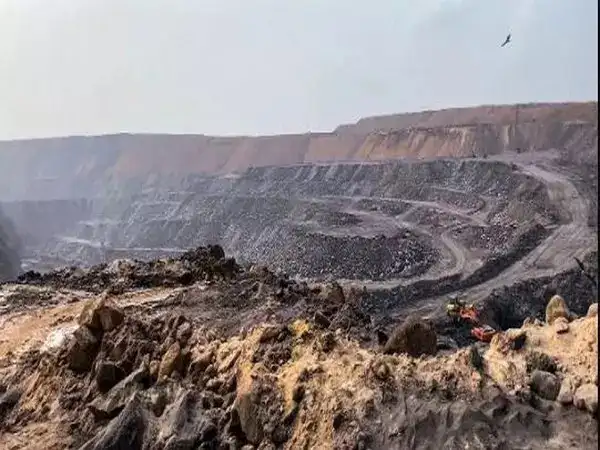
Central Coalfields Limited (CCL) has rolled out a new set of standard operating procedures (SOPs) for its electrical, mechanical, and excavation departments, signalling a structured shift towards process standardisation and operational discipline in India’s coal mining sector. The initiative, unveiled at the company’s Ranchi headquarters, is aimed at improving consistency, transparency, and efficiency across core mining functions.
The SOP framework focuses on aligning workflows across departments that are critical to coal production. Electrical and mechanical teams oversee equipment performance and maintenance, while excavation units drive extraction output. By introducing uniform procedures, CCL is seeking to reduce operational variability and improve coordination between these interdependent functions.Officials involved in the rollout have outlined three primary objectives—uniformity in execution, transparency in decision-making, and efficiency in operations. These priorities reflect a broader shift within public sector mining companies towards structured governance models that can support both scale and accountability.The development comes at a time when the coal mining SOP India landscape is evolving rapidly, driven by the need to enhance productivity while maintaining safety and environmental standards. As demand for coal remains strong due to its central role in power generation, improving operational frameworks at the mine level is becoming increasingly critical.Industry analysts note that standardisation can deliver measurable gains in performance. Clearly defined procedures reduce downtime, optimise equipment utilisation, and enable faster decision-making. In high-capital, high-risk environments such as mining, these efficiencies can significantly impact output and cost structures.
The coal mining SOP India initiative also has implications for workforce management. Structured guidelines allow for better training, clearer role definitions, and improved compliance with safety norms. This is particularly important in mining operations, where safety risks are inherent and require strict adherence to protocols.From an urban development perspective, the move has wider significance. Coal remains a primary source of energy for India’s cities, powering residential, commercial, and industrial activity. Enhancing efficiency at the extraction stage strengthens the reliability of the entire energy supply chain, reducing the risk of disruptions that could affect infrastructure projects and urban services.The SOP rollout also aligns with a broader trend of institutional reform within Coal India subsidiaries. As regulatory expectations increase and operational complexity grows, companies are focusing on process-driven management systems to improve governance and performance monitoring.Experts suggest that such frameworks form the foundation for future technological upgrades. While automation, artificial intelligence, and digital monitoring tools are gaining traction in mining, their effectiveness depends on well-defined operational processes. Standardisation, therefore, becomes a critical enabler for the next phase of modernisation.
However, the success of the initiative will depend on implementation. Ensuring consistent adherence across multiple mining sites and departments will require continuous monitoring, training, and leadership oversight. Without disciplined execution, the intended benefits of standardisation may not fully materialise.Looking ahead, the expansion of the coal mining SOP India framework could play a key role in shaping a more efficient and accountable mining sector. As India balances energy security with sustainability and urban growth, strengthening operational governance at the source of resource extraction will remain essential to building resilient infrastructure systems.