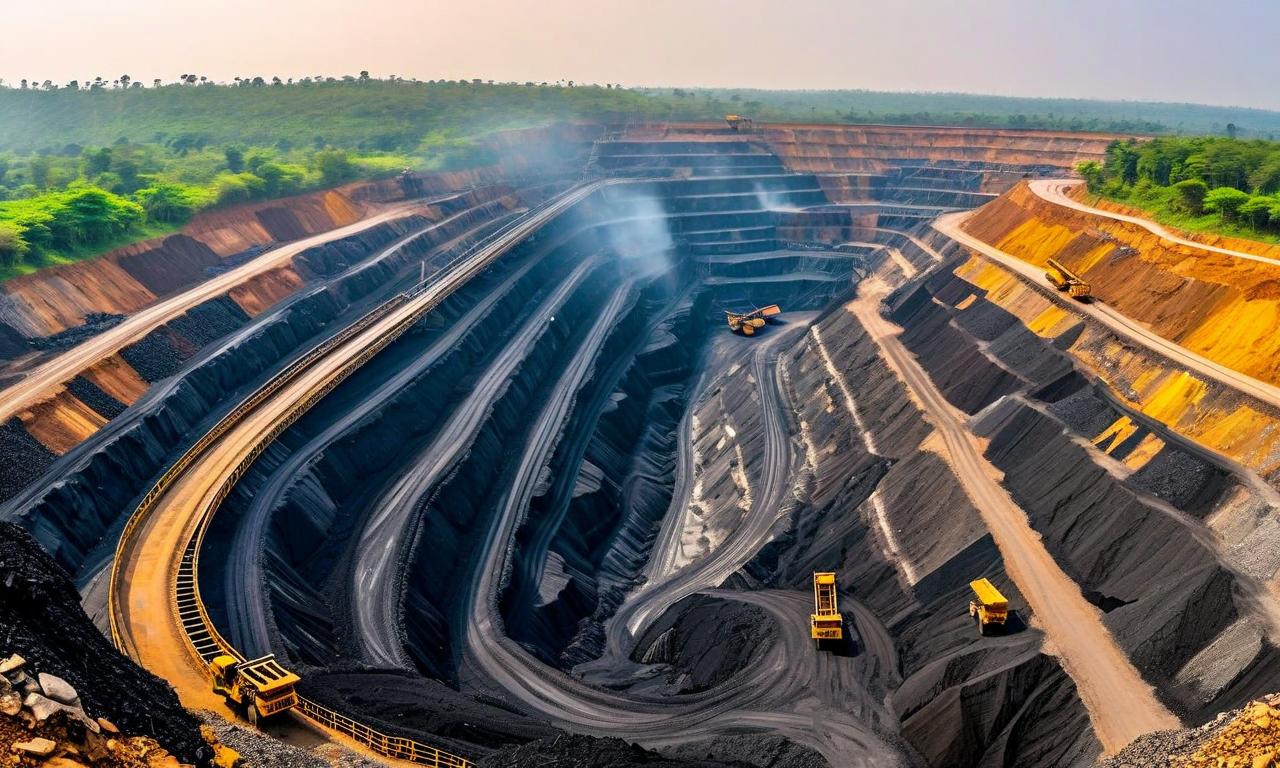
Central Coalfields Limited (CCL) is accelerating the adoption of artificial intelligence and emerging technologies to modernise coal mining operations, signalling a broader shift towards digital transformation in India’s extractive industries. The initiative was highlighted during a recent industry interaction focused on integrating advanced technologies into mining processes.
The discussion brought together sector experts, technology providers, and operational leaders to explore how tools such as AI, automation, and data analytics can improve productivity, safety, and environmental performance. The move reflects growing recognition that traditional mining practices must evolve to meet the demands of efficiency, transparency, and sustainability.At the centre of this transition is the expanding AI in coal mining India landscape, where digital tools are being deployed to optimise resource extraction and operational planning. AI-driven systems can analyse geological data, predict equipment failures, and enhance decision-making, enabling mines to operate with greater precision and reduced downtime.For a company like CCL, which operates across multiple coalfields, the integration of such technologies has the potential to significantly improve output consistency while lowering operational risks. Automation and remote monitoring can also enhance worker safety by reducing exposure to hazardous conditions—an important consideration in an industry historically associated with high-risk environments.
The shift towards AI in coal mining India is also being driven by the need for greater environmental accountability. Advanced monitoring systems can track emissions, water usage, and land impact in real time, helping companies align with evolving regulatory frameworks and climate reporting requirements. This is particularly relevant as India seeks to balance its reliance on coal with its commitments to sustainability and emissions reduction.From an urban and infrastructure perspective, the implications are substantial. Coal remains a key input for power generation, which in turn supports urban growth, industrial activity, and transportation networks. Improving the efficiency and reliability of mining operations can help stabilise energy supply chains, reducing the risk of disruptions that could impact city infrastructure and economic activity.The adoption of digital technologies also reflects a broader trend across India’s industrial sectors, where data-driven systems are being used to enhance competitiveness. In mining, where margins can be affected by fluctuating commodity prices and operational inefficiencies, technology offers a pathway to more resilient and adaptive business models.However, challenges remain in scaling these innovations. High upfront investment costs, the need for skilled personnel, and integration with legacy systems can slow adoption. Industry experts note that collaboration between public sector enterprises, academic institutions, and technology providers will be critical to overcoming these barriers.
The initiative by CCL underscores the role of public sector companies in driving technological change within core industries. As one of India’s key coal producers, its efforts could set a benchmark for others in the sector, encouraging wider adoption of digital solutions.Looking ahead, the trajectory of AI in coal mining India will depend on how effectively these technologies are embedded into everyday operations. As the country continues to expand its infrastructure and urban footprint, smarter, safer, and more sustainable mining practices will be essential in supporting long-term energy and development goals.