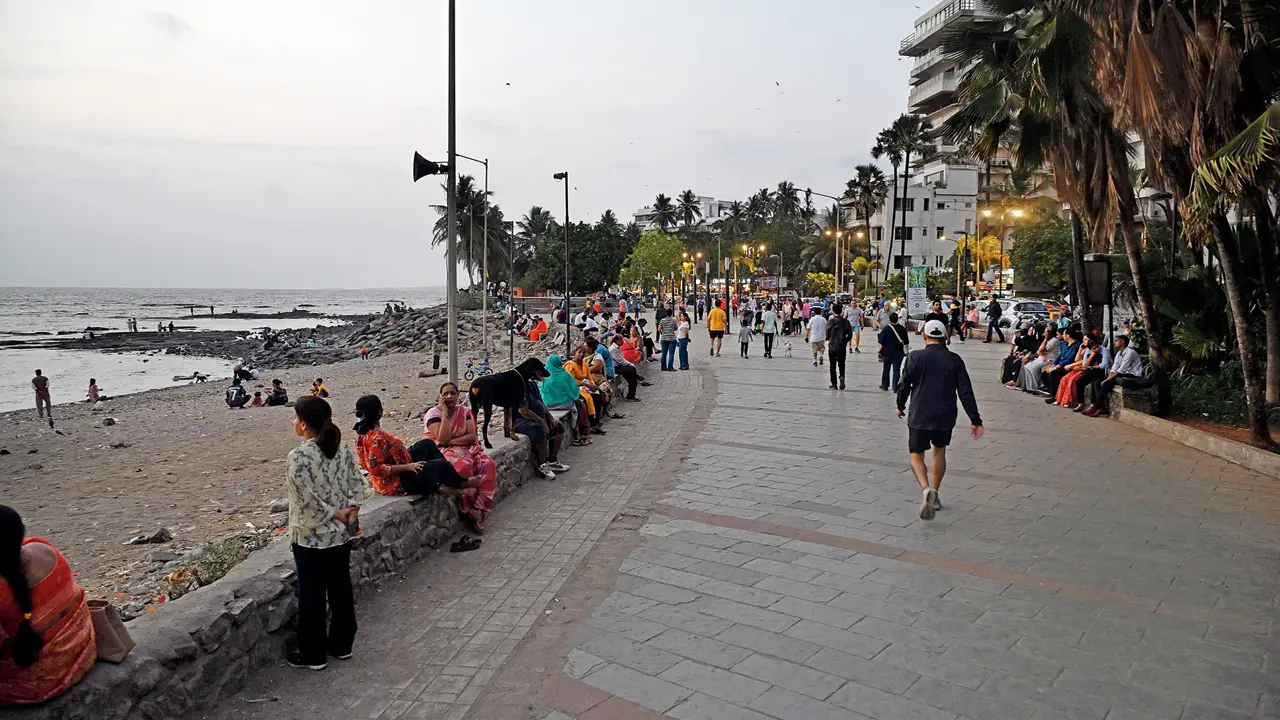
A growing number of Mumbai residents have voiced strong opposition to what they describe as the commercial exploitation of the Carter Road Promenade, one of the city’s most frequented waterfront public spaces. Over 70 residents, largely from Bandra West, submitted a formal objection to the Brihanmumbai Municipal Corporation (BMC) on February 23, asserting that ongoing commercial activities violate statutory planning and environmental regulations.
According to civic planning documents, both the Carter Road and Bandstand Promenades are designated Green Open Spaces under Mumbai’s Development Plan 2034 and fall within the Coastal Regulation Zone (CRZ), classified as CRZ-III, a no-development zone. Residents allege that the introduction of LED hoardings and the hosting of private events on sections of the promenade compromise the public nature of these spaces while contravening CRZ and municipal norms A senior urban planning official explained that promenades like Carter Road serve as critical green lungs in high-density neighbourhoods, providing recreational, social, and environmental benefits. “Any commercialisation not only infringes on protected status but also limits accessibility, undermining equitable use of public infrastructure,” the official said. The presence of hoardings and cordoned-off sections reduces public access and may set a precedent for similar waterfront areas, experts warn.
The objections have triggered responses from local governance authorities. A senior civic official confirmed that the BMC is reviewing all permissions granted for commercial installations on the promenade. The review is expected to clarify compliance with municipal regulations, CRZ restrictions, and maintenance frameworks while balancing citizen access with commercial interests. Urban planners note that the dispute highlights a broader challenge facing Indian cities: ensuring sustainable, people-first use of public spaces amid rising commercial pressures. Waterfront promenades are particularly sensitive, requiring management that protects environmental integrity, supports pedestrian mobility, and maintains social inclusivity. Public consultation, transparent regulatory frameworks, and clear demarcation of permissible uses are cited as critical measures to prevent future conflicts.
Residents and civic authorities have stressed the importance of maintaining promenades as open, accessible, and environmentally responsible urban spaces. Observers suggest that a structured framework for events and commercial activity could allow regulated economic use without undermining the promenades’ public character. The outcome of the BMC review and subsequent policy decisions is likely to shape the governance of Mumbai’s waterfront spaces in the coming years. Municipal authorities have signalled their intent to ensure compliance with legal protections while addressing citizen concerns, aiming for a model that balances environmental sustainability, public access, and orderly urban development.
Carter Road Promenade Faces Resident Objections Over Commercialisation