


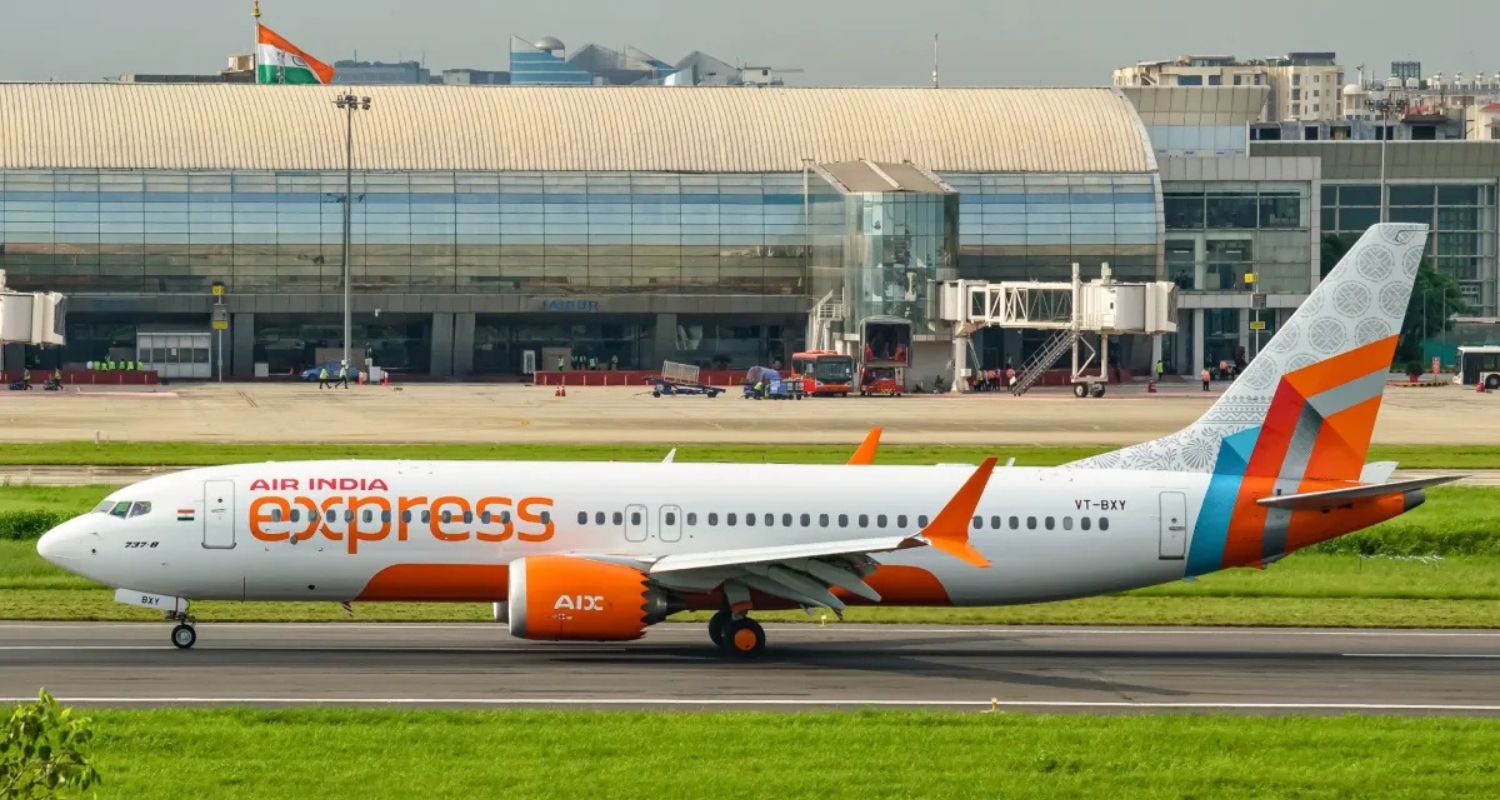
Calicut International Airport is set to see a significant boost in its domestic and international flight services, a development that is fuelling discussions about the future of equitable and sustainable urban growth. An airline official has indicated that a positive consideration is being given to increasing the frequency of flights from the airport, signalling a strategic push to enhance connectivity for the region. This expansion presents a critical juncture, offering a pathway to economic prosperity while also raising important questions about how the city can manage its aviation growth in an eco-friendly manner to build a more resilient and inclusive urban future.
The proposed expansion is a direct response to a growing public demand for more seamless travel options. Elected officials have been at the forefront of this push, advocating for a significant increase in flight services to key domestic and international destinations. The airline has affirmed its commitment to launching a new service to Mumbai when the city’s new airport becomes operational, with another route to Goa under consideration. Additionally, there are plans to potentially increase daily services to several international hubs, including Kuwait, Bahrain, and Al Ain, while also exploring new connections to Fujairah, Madinah, and Singapore. These new routes are expected to stimulate local economies, creating jobs and fostering an environment for sustainable trade and tourism.
Crucially, the airline has also committed to removing additional fares for Haj services from Calicut, a move that aligns with the principles of creating more equitable access to travel. This policy shift helps to level the playing field, ensuring that a crucial pilgrimage is more accessible to a wider demographic and not limited by prohibitive costs. Such actions are vital for building a city that is inclusive and offers equal opportunities to all its residents, irrespective of their socio-economic backgrounds. By making air travel more accessible and affordable, the city is taking a step towards a more just and equitable future.
However, this growth narrative is not without its challenges, particularly in the context of creating a zero-net-carbon, sustainable city. The expansion of air travel, while economically beneficial, contributes to carbon emissions and environmental degradation. Aviation experts are urging the airline and local authorities to proactively address this. This includes investing in sustainable aviation fuels, modernising the fleet with more fuel-efficient aircraft, and exploring carbon offset programmes. The expansion of Calicut airport must be seen as an opportunity to set a new benchmark for green aviation in the region. Without a clear commitment to these measures, the long-term environmental costs could negate the short-term economic gains, hindering the city’s ability to achieve its sustainability goals.
The ongoing dialogue between community representatives, airline officials, and the public highlights a new era of collaborative urban planning where economic interests are increasingly intertwined with social and environmental responsibilities. As Calicut prepares to embrace a new phase of growth, it must do so with a clear vision of becoming a truly sustainable, equitable, and gender-neutral city. The expansion of its international airport serves as a powerful reminder that progress must be measured not just by economic metrics, but also by the city’s commitment to its people and the planet.
Also Read :Mumbai To Get Daily Direct Akasa Air Flights To Phuket From September 20
