


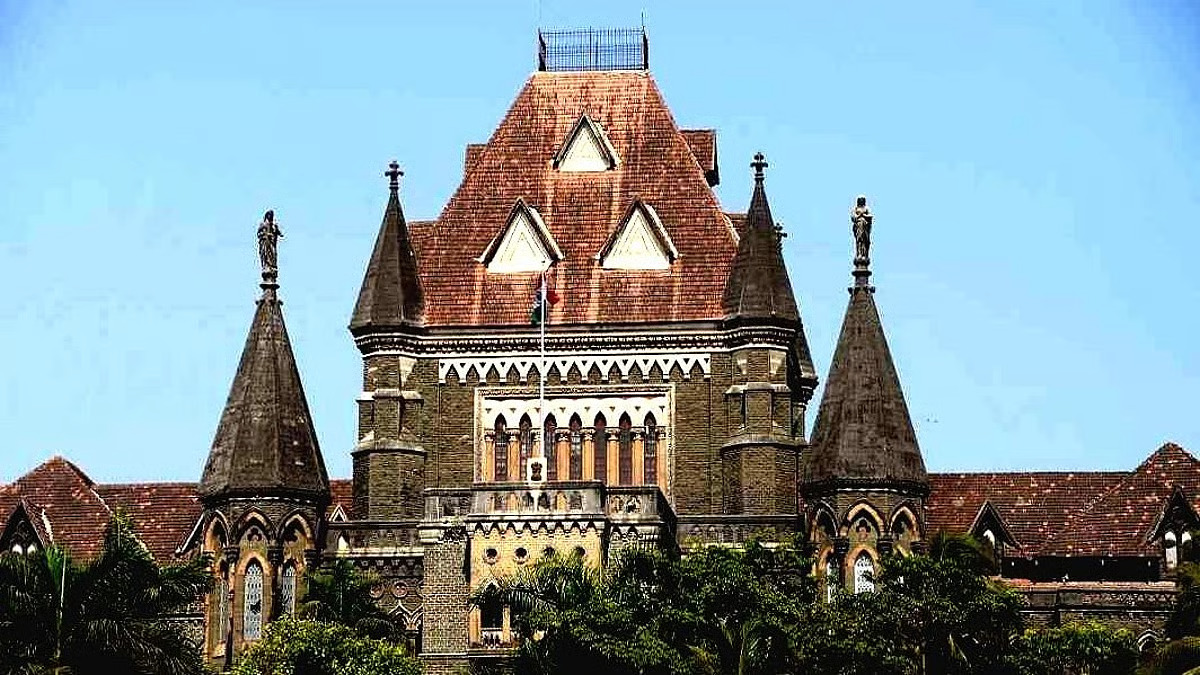
Mumbai is set to witness a landmark judicial infrastructure project with the state cabinet approving Rs 3,750 crore for the construction of a new high court complex in Bandra East. Spread across 30.2 acres within a larger 90-acre government colony, the development is being described as one of the most significant civic investments in recent years.
Officials confirmed that the upcoming complex will house courtrooms, chambers for judges, staff offices, an auditorium, a library, and residences for members of the judiciary. Modern amenities including a large parking facility are planned, signalling a departure from the overcrowded and ageing infrastructure of the existing court premises in South Mumbai. The project has been categorised as critical and will be executed on priority timelines. The government had earlier approved the transfer of land from its housing department to the public works department without charging the standard transfer fees, effectively waiving Rs 31.8 crore. The process of land handover, however, remains staggered due to the phased manner mandated by judicial directives. Officials noted that while the first two parcels totalling 9.7 acres have already been transferred, the next phase involves 4.1 acres that are currently occupied by informal settlements at Gautam Nagar and Samata Nagar.
The housing department has prepared an eviction and rehabilitation policy to address the displacement of residents before development begins on these plots. Experts highlight that this presents both a challenge and an opportunity—balancing the urgency of judicial infrastructure upgrades with the need for humane and sustainable resettlement practices. The location at Bandra East has been chosen strategically for its accessibility to both suburban and central parts of the city. With metro connectivity expanding in the vicinity and expressways running nearby, the site is expected to ease logistical challenges for lawyers, litigants and court staff who currently endure long commutes to the historic Fort precinct.
Observers believe the project has the potential to reshape Mumbai’s judicial ecosystem. Beyond courtrooms and offices, the master plan also envisions green zones and energy-efficient facilities, aligning with the growing emphasis on sustainable public infrastructure. Experts argue that embedding climate-conscious design and renewable energy sources into the blueprint will be critical in ensuring the complex serves not just judicial needs but also sets a benchmark for future civic projects. While the cabinet’s financial approval marks a decisive step, execution will depend on overcoming administrative hurdles and coordinating with multiple departments. For a city grappling with congestion and outdated public facilities, the new high court complex represents both a symbol of modern governance and a chance to deliver equitable infrastructure that matches the aspirations of a global metropolis.
Also Read : BMC To Create Highway Cell Aimed At Reducing Traffic On WEH EEH
