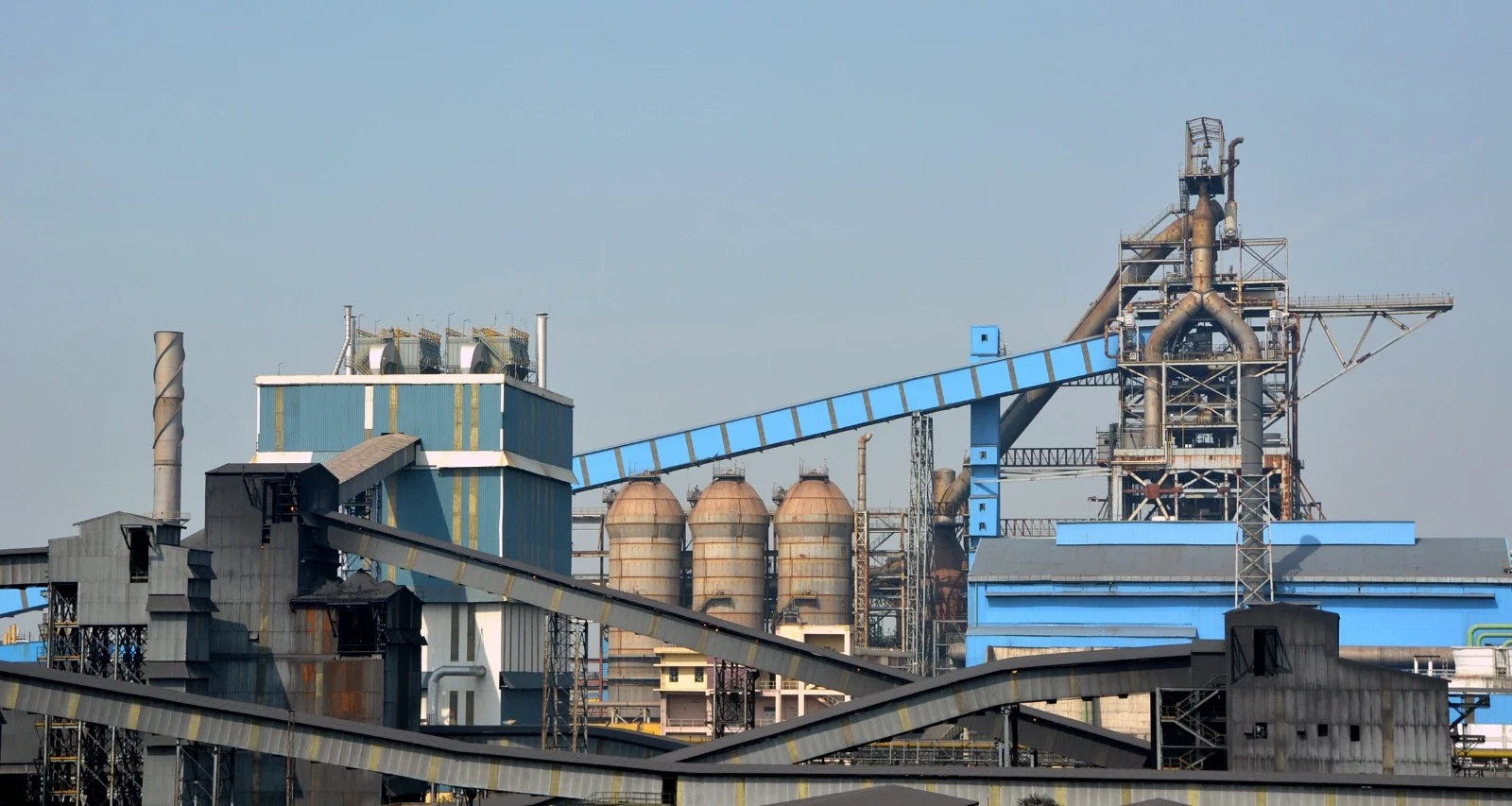
India’s eastern industrial corridor is set to gain a major manufacturing upgrade as a new steel expansion project takes shape at the IISCO facility in Burnpur, West Bengal. The project introduces advanced processing and metallurgical infrastructure aimed at strengthening domestic production of specialised steel used in sectors such as energy pipelines, heavy engineering, and infrastructure manufacturing.
The expansion involves installing a large pelletising unit along with additional steel refining equipment designed to enhance production efficiency and product quality. Industry sources indicate the new pellet facility alone will be capable of producing about 4.2 million tonnes of iron ore pellets annually, creating a more integrated supply chain for the steelmaking process and improving raw material preparation within the plant.Steel manufacturing increasingly depends on pelletised iron ore because it offers better energy efficiency and more consistent furnace performance. By strengthening this upstream stage, the facility is expected to improve metallurgical efficiency while supporting the production of specialised steel grades required in energy infrastructure and industrial construction.
Alongside the pelletising unit, the expansion also includes new secondary metallurgy equipment—specifically ladle furnaces and vacuum degassing units—which enable precise control of temperature, chemical composition and impurity removal in molten steel. These systems are essential for producing advanced steel used in critical applications such as oil and gas pipelines, where strict quality and durability standards apply.Urban infrastructure and energy networks increasingly rely on such higher-grade steel products. Industry analysts say that stronger domestic capabilities in this segment can reduce reliance on imports while supporting large-scale infrastructure projects including pipelines, bridges, rail systems and industrial facilities.
The Burnpur complex, originally established in 1918 and later integrated into the public sector steel producer’s network in the mid-2000s, has long been a key industrial anchor for eastern India’s manufacturing economy. Over time, the plant has undergone multiple phases of modernisation, reflecting the broader shift of India’s steel industry toward higher efficiency and improved environmental performance.Once the new units are commissioned, the plant’s installed capacity is expected to rise significantly, reaching about 7.1 million tonnes of steel annually, according to industry data. This expansion is expected to strengthen the region’s role in India’s steel supply chain while creating opportunities for associated logistics, engineering services, and downstream manufacturing.
Urban planners note that steel production continues to underpin city-building—from transport corridors and energy systems to residential construction. As India pursues large-scale infrastructure expansion and cleaner industrial processes, upgrades in steel manufacturing are increasingly tied to broader goals of resilient urban growth and more efficient resource use.
With commissioning planned later in the decade, the Burnpur expansion signals how legacy industrial hubs are repositioning themselves to supply the next generation of infrastructure and energy systems.