


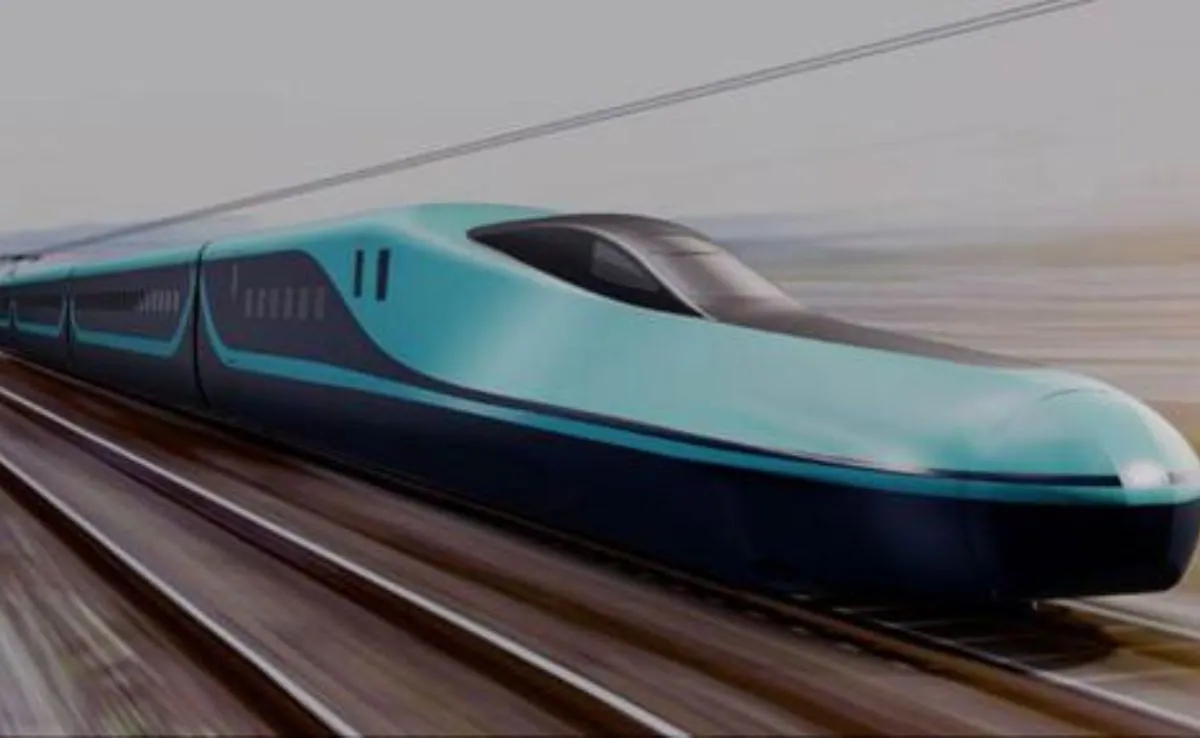
India’s high-speed rail ambitions are gathering momentum with surveys underway for a proposed bullet train corridor linking Hyderabad, Chennai, Amravati and Bengaluru. Officials have described the project as a transformative step for southern India, with the potential to connect more than five crore people across these rapidly expanding urban clusters.
The Ministry of Railways has confirmed that feasibility studies and surveys are ongoing, laying the groundwork for what could become one of the most ambitious infrastructure projects in the region. The planned high-speed rail (HSR) line is expected to dramatically cut travel times, stimulate business growth and strengthen inter-city economic integration, aligning with the government’s focus on modern, sustainable transport infrastructure. Experts point out that the proposed network would function as a growth corridor, drawing investment into tier-two cities while easing the strain on existing air and road routes. Rail officials emphasise that the project dovetails with broader urban development policies, encouraging compact, sustainable and equitable growth around transit hubs. Such models have been proven globally to reduce carbon footprints while fostering economic activity, and India is aiming to replicate this success in its own urban clusters.
The announcement has coincided with visible progress on the Mumbai–Ahmedabad high-speed rail corridor, India’s flagship bullet train project. On this western route, multiple stations are nearing completion with modern designs that incorporate local culture, energy efficiency and passenger-friendly features. Engineers have already completed 17 of 21 bridges planned along the line, including a newly inaugurated structure over the Vishwamitri River in Vadodara. Officials describe the works as a signal that the nation’s first bullet train corridor is on track for phased readiness. For southern India, the proposed corridor between Hyderabad, Chennai, Amravati and Bengaluru would represent a similar leap. Not only would it unlock one of the world’s largest market clusters, but it would also reinforce India’s commitment to cutting urban transport emissions by shifting millions of passengers from short-haul flights and private vehicles to electric-powered rail.
While the timelines for commencement remain undefined, railway officials insist that preliminary work is advancing swiftly. Industry watchers suggest that once surveys are concluded, the project could move to the bidding and financing stage, potentially attracting global interest from technology partners experienced in high-speed rail construction. If realised, the corridor would recast how southern India travels, offering equitable access to mobility while shaping cities into greener, more efficient and better-connected urban centres.
Also Read : Mumbai Railways To Lease Mahalaxmi And Bandra Plots Earning Rs 6k Crore Revenue
