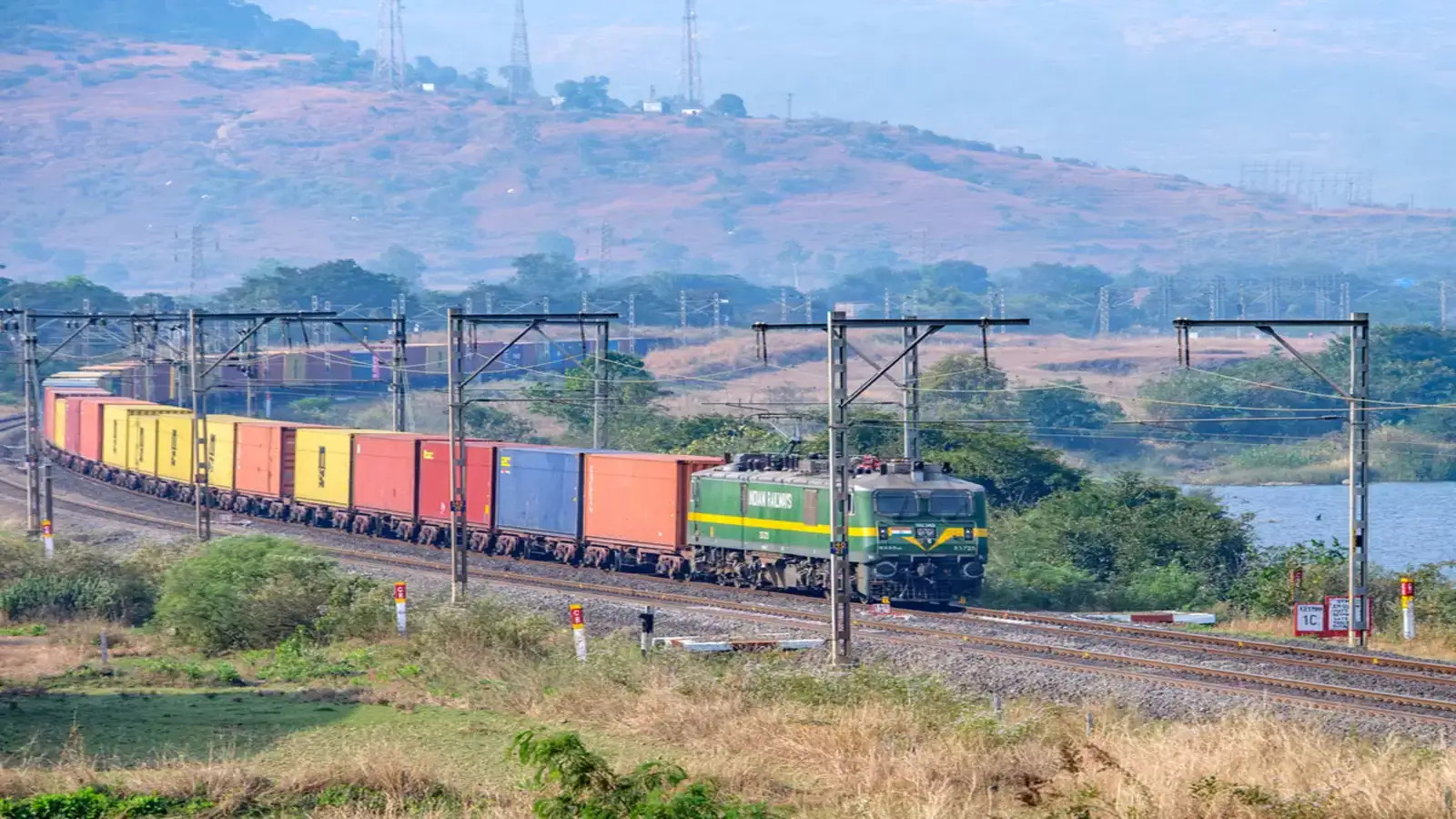
Budgam to Delhi Cargo Train Boosts Kashmir Fruit Trade
The recent approval for a rapid cargo train service between Budgam and Delhi is poised to be a game-changer for Kashmir’s horticulture sector, offering a sustainable and efficient solution to long-standing logistical challenges. This initiative addresses the critical issue of timely transportation for perishable goods, particularly the region’s prized fruit exports, which are often hampered by road-based delays and disruptions. By providing a reliable, year-round transport link, the rail service is set to enhance market access, reduce post-harvest losses, and empower thousands of small and medium-scale fruit growers, including a significant number of women who are integral to the agricultural economy of the region.
For decades, the horticultural sector in Kashmir, which forms the economic backbone of many districts, has grappled with the vulnerabilities of a road-dependent supply chain. The Jammu-Srinagar National Highway, the primary artery for goods transport, is frequently closed due to adverse weather conditions, landslides, and traffic congestion. These disruptions lead to significant spoilage and a drastic drop in the market value of produce, directly impacting the livelihoods of growers. The new rapid rail line, operating with minimal environmental footprint, offers a robust alternative. Unlike diesel-guzzling trucks that contribute significantly to carbon emissions and air pollution, an electrified rail network aligns with the vision of creating a zero-net-carbon, eco-friendly transport system.
The benefits of this new service extend beyond mere logistics. It is a critical step towards creating an equitable and sustainable market ecosystem for Kashmir’s fruit growers. With reduced transit times, the produce will arrive at major markets in Delhi in a fresher condition, fetching better prices for the farmers and a higher quality product for consumers. This improved market linkage bypasses the traditional reliance on intermediaries, who often exploit the farmers by offering low prices for their produce. The direct and efficient rail service will enable growers to have a stronger negotiating position, ensuring they receive a fair share of the profits. This economic empowerment is particularly crucial for the thousands of women who work in the orchards and post-harvest operations. By improving the reliability and profitability of the fruit trade, the rail service will indirectly bolster the financial independence and social standing of women in these agricultural communities.
The shift to rail transport also has a powerful environmental narrative. The dedicated freight corridor is expected to reduce the number of heavy-duty trucks on the already congested highways, leading to a significant decrease in vehicular emissions and noise pollution. This not only contributes to a healthier environment but also improves road safety. The initiative underscores a broader commitment to sustainable infrastructure development that balances economic progress with ecological responsibility. The use of modern, high-speed rail technology also promises a more efficient use of energy, further contributing to a lower carbon footprint for the entire supply chain.
As experts note, this rail link is not just a logistical improvement; it is a fundamental shift in the economic landscape of the region. It is expected to spur growth in associated industries such as packaging, cold storage, and processing, creating new employment opportunities. The government’s focus on a comprehensive cold chain infrastructure alongside the rail network will ensure the longevity and quality of the produce, from the farm gate to the consumer’s plate. This holistic approach signals a long-term commitment to nurturing a resilient, sustainable, and inclusive economy in the valley. The success of this rapid cargo service will undoubtedly serve as a blueprint for similar eco-friendly and equitable transport solutions in other agricultural regions across the country.