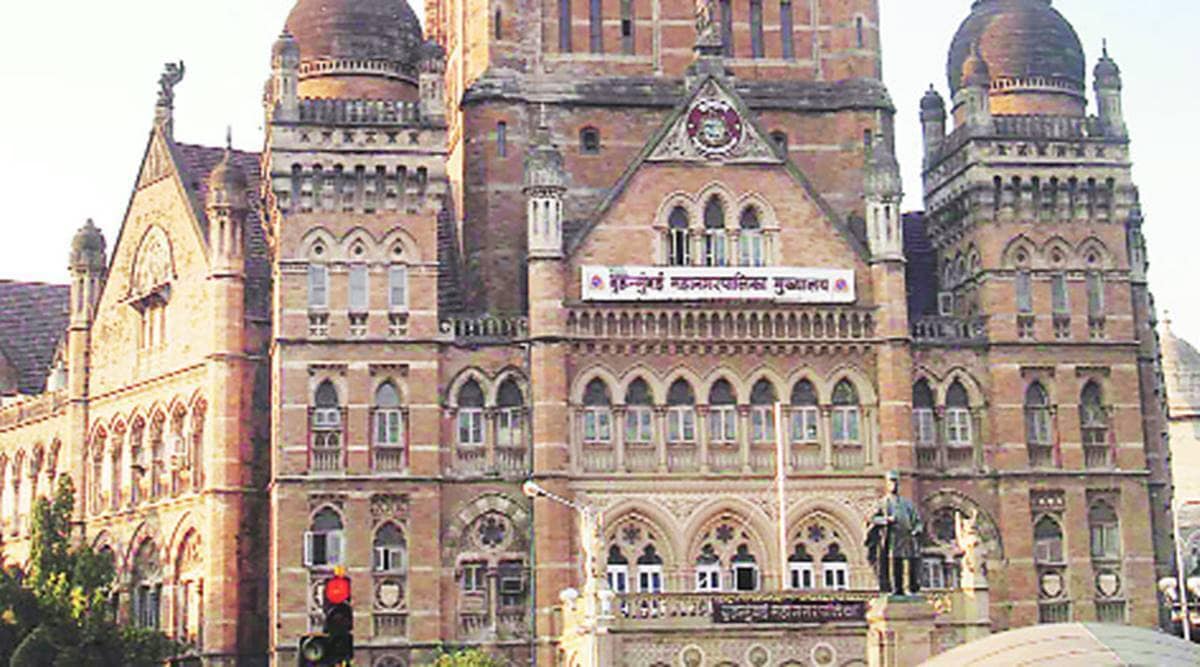
Mumbai’s long-running struggle with repeated road digging and unplanned utility disruptions may soon see a technology-led intervention. During a recent internal review of road works, the city’s guardian minister and a senior state legislator urged the municipal administration to evaluate an artificial intelligence-based system that could anticipate utility conflicts before roads are excavated. The proposal reflects growing pressure on India’s financial capital to modernise infrastructure management as climate resilience and commuter safety take centre stage.
Officials said the suggestion followed recent incidents where underground gas, power and water lines were damaged during road works, triggering service interruptions and extended repair timelines. An AI-enabled platform, officials indicated, could map existing utilities, predict conflict points during excavation, and enable real-time coordination among multiple agencies. For residents and businesses, this could mean fewer repeat road closures, faster grievance redressal and safer streets. The discussion took place amid the Brihanmumbai Municipal Corporation’s citywide road concreting programme, one of the largest such upgrades undertaken in Mumbai in recent years. With monsoon restrictions approaching, civic works are scheduled to pause by the end of May, heightening the need for precision planning and coordination. Urban planners note that without integrated data systems, freshly concreted roads are often dug up again for utility repairs, undermining both public trust and capital efficiency.
In the western suburbs ward covering Bandra, Khar and Santacruz, officials reviewed progress across more than 300 roads, of which a majority have been earmarked for cement concrete upgrades. Work is being executed in phases, with several corridors already completed and others set to resume after the monsoon. Civic engineers have been directed to prepare day-wise schedules for high-traffic roads, a move aimed at reducing congestion and accident risk during peak hours. From an urban governance perspective, the push for a Mumbai road digging AI framework signals a shift away from reactive infrastructure maintenance towards predictive, data-driven city management. Experts point out that such systems, if designed responsibly, can also support climate goals by reducing material waste, lowering emissions from repeated construction activity, and improving stormwater resilience through better-coordinated underground networks.
For Mumbai’s real estate and commercial districts, fewer unplanned disruptions could translate into tangible economic benefits. Retailers, offices and housing societies often bear the indirect costs of prolonged road closures, from lost footfall to safety hazards. A coordinated digital platform could help align infrastructure upgrades with the city’s broader objectives of inclusive mobility, accessibility and resilient urban growth. As the monsoon deadline approaches, the immediate focus remains on completing priority road works. Beyond that, the proposed AI-driven approach will require inter-agency data sharing, clear accountability, and safeguards to ensure transparency. If implemented well, it could mark a decisive step towards smarter, people-first infrastructure delivery in Mumbai.
Brihanmumbai Municipal Corporation Explores AI To Cut Road Disruptions