


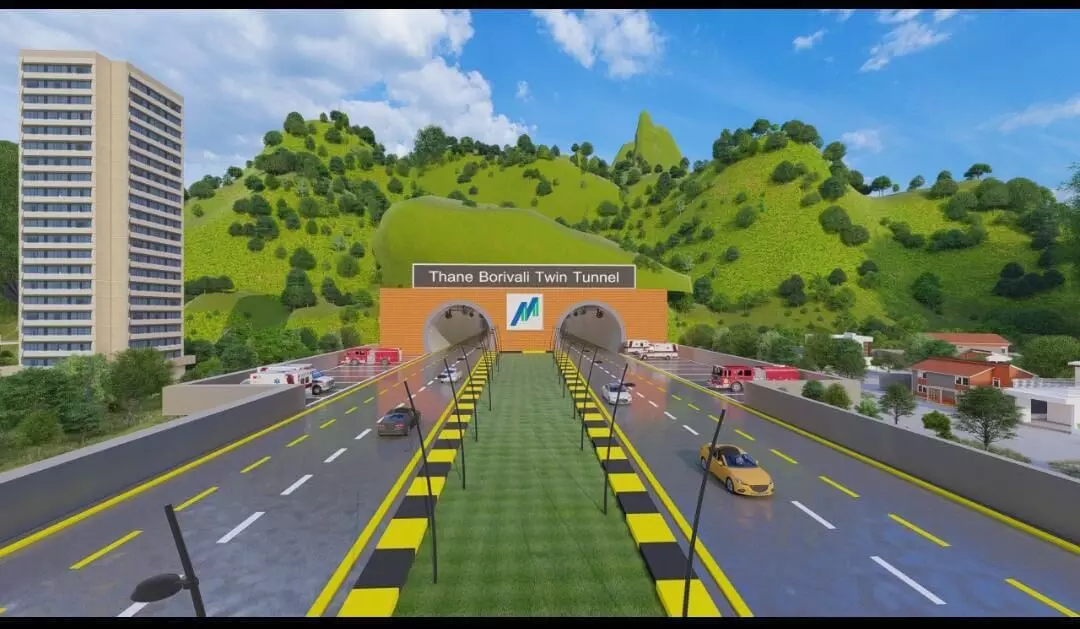
A proposal to establish a 22.6-acre casting yard for the Borivli-Thane twin tunnel project has sparked a fresh environmental flashpoint, with nearly five acres of the site falling within the Eco Sensitive Zone (ESZ) of Sanjay Gandhi National Park (SGNP) in Mira Road. The project, overseen by the Mumbai Metropolitan Region Development Authority (MMRDA), has triggered protests from environmental groups and civil society members who allege a breach of conservation norms.
The casting yard is a critical construction support facility, typically used to fabricate concrete components such as tunnel segments and beams. While it serves a logistical need for large infrastructure projects, the location of this particular site has drawn scrutiny. A portion of the proposed area lies within the ecologically protected buffer zone surrounding SGNP, one of Mumbai’s last remaining green lungs. According to officials, the casting yard is essential for the timely execution of the twin tunnel project, which is expected to significantly reduce the current travel time and vehicular congestion between Borivli and Thane. Once completed, the project aims to shave off nearly 12 kilometres from the commute, saving up to one hour of travel time and easing traffic on key arterial roads including Ghodbunder Road and the Jogeshwari-Vikhroli Link Road.
However, environmentalists argue that the selection of a site within an ESZ directly contradicts the purpose of such zones. These areas are legally designated to provide a buffer against urban and industrial encroachment, thus maintaining the ecological balance and safeguarding biodiversity. Under current environmental regulations, particularly those outlined in the ESZ notification, the setting up of polluting or heavy industrial activity is prohibited within these zones. Environmental experts have raised alarm over the precedent such land use may set. They contend that approving industrial-scale infrastructure within or adjacent to protected zones will open floodgates for further degradation of natural landscapes. “This decision, if implemented, will weaken the sanctity of the ESZ and encourage others to seek similar exemptions,” said a senior environmental advocate.
Local community leaders have also voiced concerns over the social impact of the development. Residents claim that a portion of the proposed casting yard includes tribal lands, raising issues of displacement and loss of livelihood for indigenous populations. A recent memorandum submitted to the revenue department highlighted that deploying heavy machinery and creating industrial infrastructure in these zones would not only pollute the immediate environment but also compromise the rights of tribal families residing nearby. In the face of mounting opposition, the National Green Tribunal (NGT) has added a layer of judicial scrutiny. In a related order issued recently, the tribunal directed the closure of two unauthorised casting yards and ready-mix cement plants that were already operational within the SGNP’s ESZ near Thane’s Ghodbunder Road. This precedent is likely to weigh heavily on future deliberations concerning the new yard proposed for the Borivli-Thane tunnel.
The MMRDA, which is spearheading the tunnel project through its contractor Megha Engineering and Infrastructure Ltd, has not publicly commented on the matter. The project documentation reportedly states that the proposed yard will be managed in a way that will not impact the ecological balance of the ESZ. Yet environmentalists are not convinced, citing past instances where large-scale construction activity has led to unintended ecological damage despite regulatory assurances. Forest officials and urban planners are now caught in a dilemma. While there is no denying the infrastructure benefit that the Borivli-Thane tunnel promises, its environmental and social costs have sparked a polarised debate. The proposal will now likely come under the scanner of the forest department and the Mira-Bhayander Municipal Corporation, both of which are legally bound to uphold conservation norms within the ESZ.
Activists argue that the state must look for alternatives that balance development with ecological protection. “The city does not have to choose between connectivity and conservation,” said one environmental policy expert. “With better planning, both can be achieved.” As Mumbai continues to evolve into a more connected metropolis, infrastructure development will remain essential. But the backlash surrounding the proposed casting yard serves as a reminder that such growth must be sustainable, legally sound, and mindful of its ecological context. The onus now lies with the government and civic agencies to ensure that short-term gains do not come at the expense of long-term environmental stability.
Also Read : Mumbai Starts Work on Mahim Causeway Ten Lane Bridge Project
