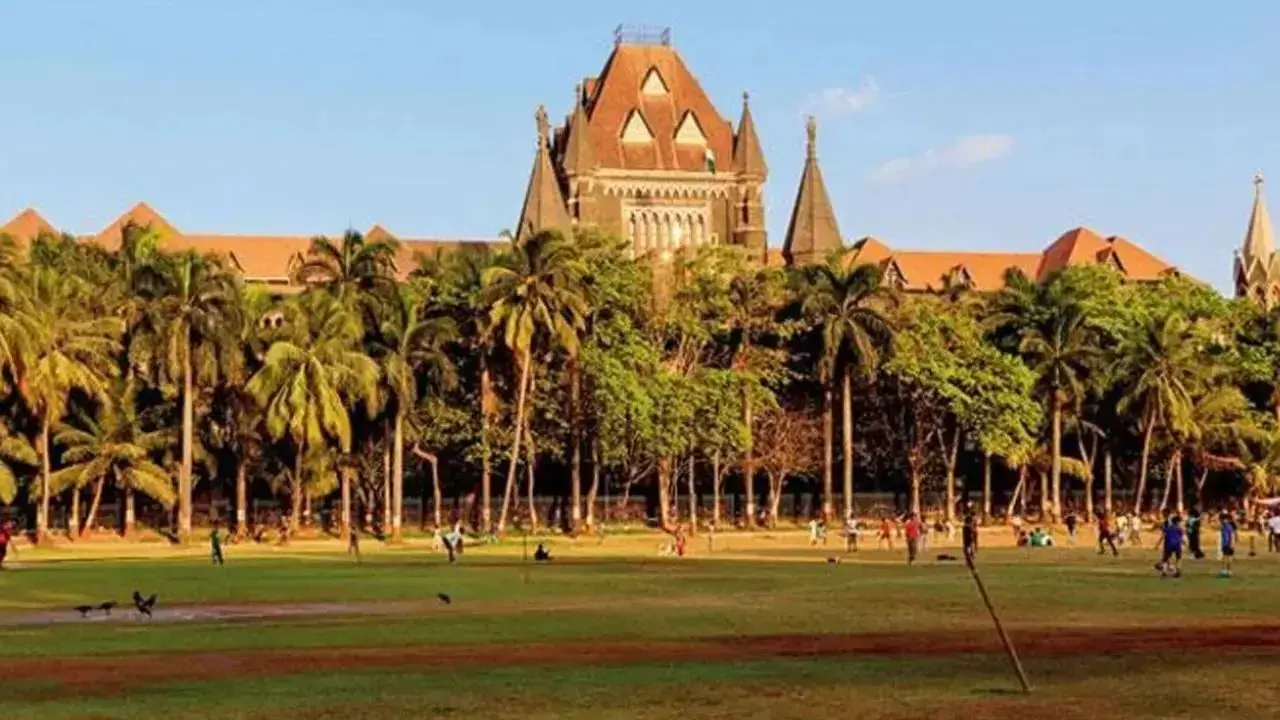
A judicial review into safety practices at Mumbai’s expanding metro construction network has intensified after the High Court asked the regional transport authority to submit a detailed explanation of a fatal accident at a construction site in the city’s eastern suburbs. The directive, issued during proceedings this week, requires officials to place on record a comprehensive account of the structural collapse that occurred in Mulund and outline steps taken to ensure safety across all active metro worksites.
The court has instructed the metropolitan planning authority responsible for the region’s large-scale transit infrastructure to present a detailed response within two weeks. The report must explain the circumstances that led to the incident in February, when a concrete slab at a metro construction location collapsed, resulting in one fatality and injuries to several workers. The matter has reached the court through a public interest petition that raises broader concerns about safety oversight at multiple construction locations linked to the city’s rapidly expanding metro network. The petitioner has requested that authorities commission an independent third-party safety review covering all ongoing metro works across Mumbai, arguing that uniform oversight is critical as the city pushes forward with one of India’s largest urban rail expansion programmes.
Urban infrastructure specialists say the case highlights the complexity of managing large construction corridors within densely populated neighbourhoods. Mumbai currently has several metro lines under development simultaneously, involving elevated viaducts, tunnelling works and station construction across busy residential and commercial zones. Each site requires strict engineering supervision, worker protection protocols and continuous structural monitoring. Transport planners note that the safety of large infrastructure projects has become an increasingly prominent concern as cities pursue faster project delivery timelines. They argue that independent safety audits could strengthen public trust while ensuring contractors follow best practices in structural engineering, material quality and on-site risk management.
Officials involved in the metro programme have indicated that safety procedures and inspection frameworks are already part of the project governance system. However, experts say a broader audit across construction packages may help identify systemic risks, particularly in locations where multiple contractors operate simultaneously. The Mulund accident has also triggered wider discussion among urban policy observers about balancing infrastructure expansion with workplace safety and community protection. Metro rail remains central to Mumbai’s long-term transport strategy, with planners viewing it as a key component in reducing congestion, lowering emissions and improving mobility for millions of residents.
As the High Court reviews the matter, the outcome could shape how large infrastructure agencies approach safety monitoring across the metropolitan region. If an independent audit is mandated, it may set a precedent for stricter safety oversight in major urban transport projects, reinforcing accountability while keeping the focus on building resilient and people-centred mobility systems.
Bombay High Court Seeks MMRDA Report On Mulund Metro Slab Collapse