


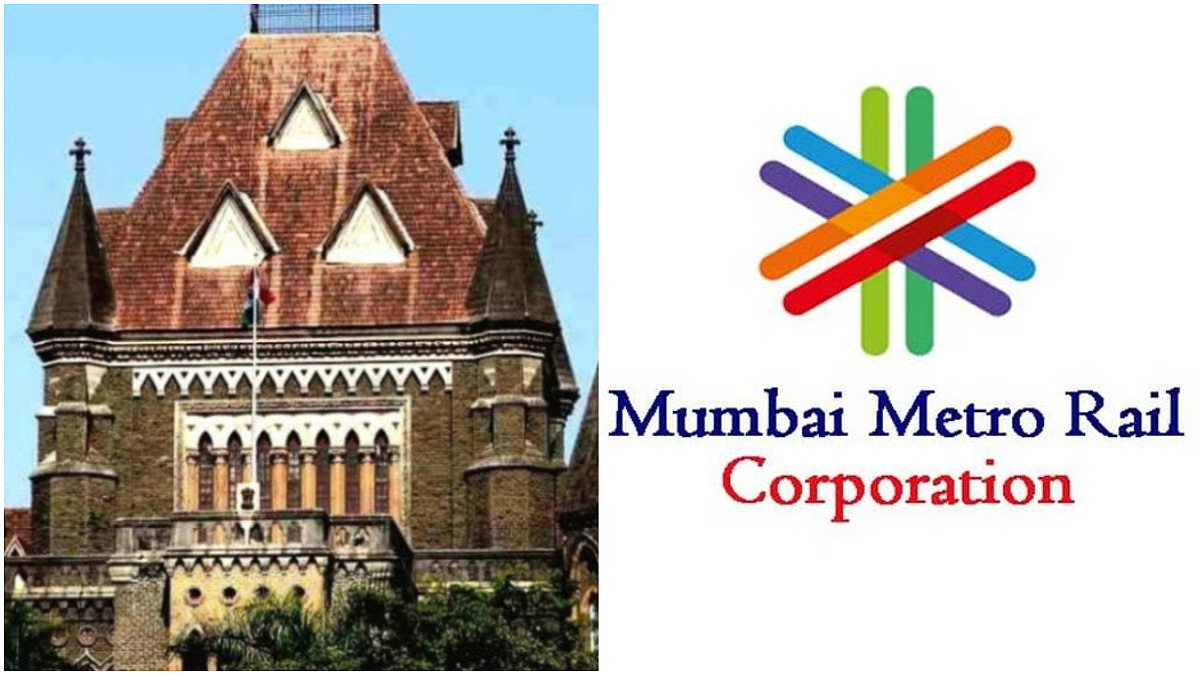
Bombay High Court has directed the Mumbai Metro Rail Corporation Ltd (MMRCL) to reconstruct a distinctive limestone finial that once adorned the historic JN Petit Institute at DN Road, Fort. The finial, a key neo-Gothic element of the Grade II-A heritage structure, collapsed in 2017 during the construction of Metro Line 3.
Delivering the order on July 10, the court stressed that urban development cannot come at the cost of architectural and cultural legacy. The limestone finial was reportedly dislodged amidst vibrations and tunnelling activity when the underground metro project passed near the heritage building. A court-appointed expert committee had been tasked in 2017 to examine the potential impact of metro work after trustees raised alarms over structural vibrations. While the metro tunnel is not directly beneath the Petit Institute, the High Court acknowledged the circumstantial connection to the metro works, noting the timing of the collapse and the proximity of tunnelling activities. Officials from the metro agency, without admitting liability, consented to restore the finial at their own cost under specified conditions.
The court also ruled that the trustees of the Petit Institute must secure necessary permissions from relevant heritage and planning authorities. Once approvals are in place, the MMRCL must complete the finial reconstruction within eight months, ensuring faithful replication of the original design. The JN Petit Institute, established in 1856, serves as one of Mumbai’s oldest public reading rooms and libraries. Its 1898 building, restored in 2014–15, received the UNESCO Award of Distinction for Cultural Heritage Conservation. With features such as circular staircases, turrets, and elaborate finials, the structure is a significant emblem of the city’s colonial-era architectural landscape.
While the metro agency maintains that vibrations during operations will remain within permissible limits and far below thresholds that could cause structural damage, the court has left room for future legal recourse if further harm is observed once metro services begin. The judgment signals judicial intent to protect Mumbai’s architectural heritage while allowing transit infrastructure to advance responsibly.
Also Read : Silchar Rail Link Restored After Landslides Disrupt Services Timings Revised
