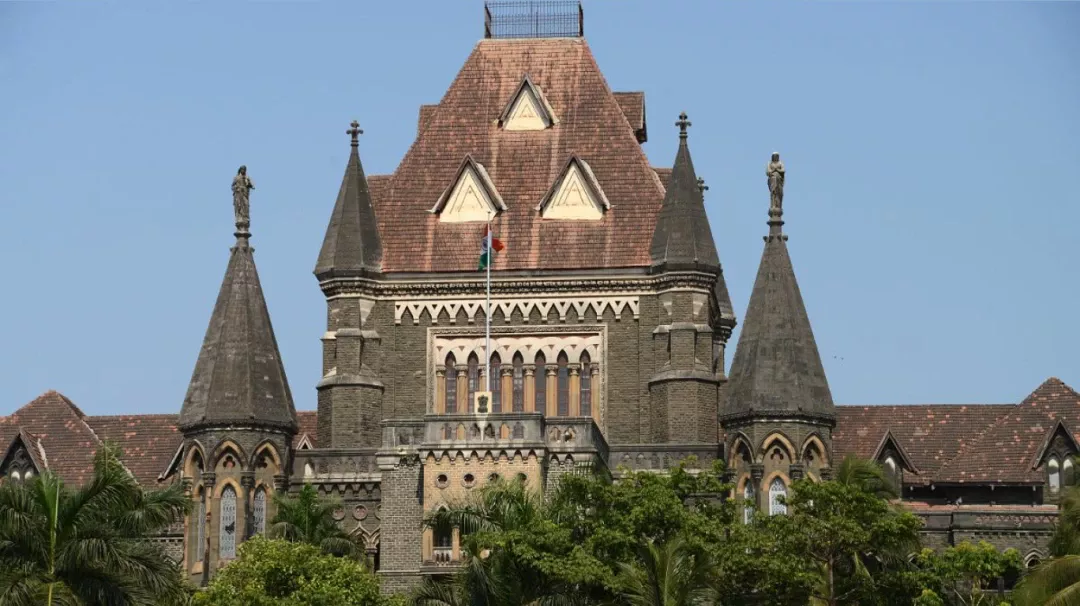
A long-running financial dispute over Mumbai’s first metro corridor has reached a critical inflection point, with the Bombay High Court affirming the principle of cost escalation in Metro Line 1 while sharply trimming the compensation payable. The ruling brings renewed clarity to how delay risks are assessed in large public–private transport projects, with implications for future urban infrastructure financing across Indian cities.
The case centred on claims raised by Mumbai Metro One Pvt Ltd, the private operator of the Versova–Andheri–Ghatkopar corridor, against the Mumbai Metropolitan Region Development Authority, the public authority that awarded the project under a concession agreement signed in the mid-2000s. While the original cost estimate was modest by today’s standards, prolonged delays in land access and statutory clearances significantly altered the project’s financial profile before operations began. An arbitral tribunal had earlier concluded that these delays were not attributable to the concessionaire and awarded compensation across multiple heads, including escalation-related expenditure. That award, however, was challenged by the public authority, arguing that parts of the claim exceeded what the contract and evidence justified.
In its judgment, the High Court struck a middle path. It upheld the core finding that time overruns had occurred and that escalation costs could not be dismissed outright. At the same time, it recalculated the compensation under this head, applying a stricter reading of the contractual framework and financial methodology. Several ancillary claims—covering overheads, financing costs, and alleged profit losses—were set aside due to insufficient substantiation. Legal experts tracking the case say the ruling reinforces judicial reluctance to reopen factual findings of arbitration, while signalling that courts will intervene where awards stretch beyond contractual boundaries. “The message is that public infrastructure disputes will be tested on documentation and risk allocation, not sentiment,” an infrastructure arbitration specialist noted.
The financial consequences will now be settled through adjustments against amounts already deposited with the court during earlier proceedings, including interim directions later modified by the Supreme Court. Depending on the final reconciliation, either party may receive a refund or a balance payment. Operational since 2014, Metro Line 1 Mumbai remains a vital east–west link carrying hundreds of thousands of daily commuters. Yet the dispute has lingered long after trains began running, underscoring the governance challenges of early-generation PPP metro projects.
Urban planners argue that the outcome should inform the next phase of metro expansion, particularly as cities push for low-carbon, mass-transit-led growth. Clearer contracts, predictable approvals, and transparent dispute resolution, they say, are essential if private capital is to support sustainable, people-first transport systems without burdening public finances.
Bombay High Court Narrows Metro 1 Payout